 Nutrition
Can Dogs Eat Potatoes?
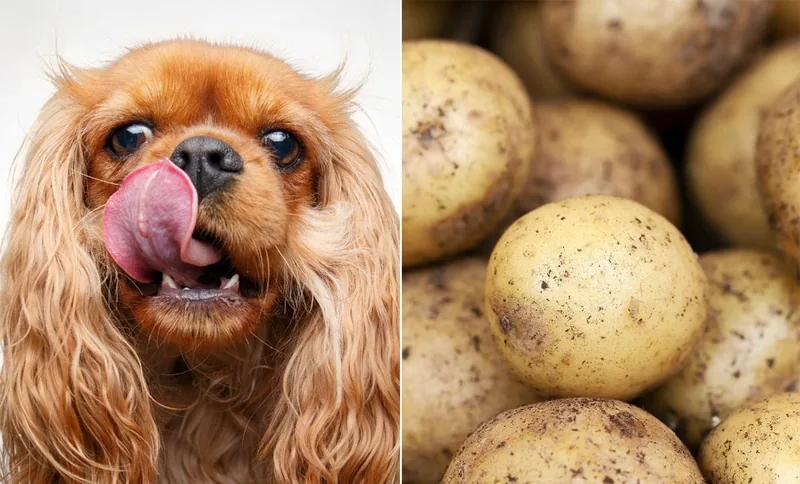
The potato is a very common food in many households, which means plenty of dogs may get access to them. A lot of people are unsure whether it is advisable for dogs to eat potato, or whether it has any harmful effect.
Dogs are omnivores, so they can eat a very wide range of foods, vegetables and fruit included, which means many of the foods we humans eat form part of our dog's diet too.
There are, however, some foods that humans eat routinely but which can be toxic to dogs, so we need to know whether or not we can feed them. That is why, in this article from Soy un perro, we are going to answer the question.
The Nutritional Profile of Potatoes
The potato is rich in starch (carbohydrate), in vitamin C and B3 or niacin, and in minerals such as potassium, phosphorus and magnesium. That said, the green parts of potatoes are toxic, since they contain a substance called solanine, and eating too much of it can have the harmful effects on our dog that we will look at below.
The Benefits of Potato in a Dog's Diet
Dogs, like humans, can indeed eat potatoes, though it should never be the main ingredient in their diet, since their digestive system is better adapted to digesting protein and fat than starch.
For instance, we could include it temporarily as part of a bland diet if our dog has diarrhoea or vomiting, before returning to their usual food. Potato can also be included as an ingredient in the diets of dogs with a food allergy, or in elimination diets, which are prescribed when this problem is suspected.
Potato is also a common ingredient in dog kibble, thanks to the energy that starch provides. Ideally, though, because their digestive system is better adapted to a meat-rich diet, dogs should get that energy mainly from fat and protein, so potato tends to be an ingredient included in low- and mid-range kibbles. A quality kibble should have no potato content at all, or a very low one.
The Harmful Effects of Potato in a Canine Diet
The green parts of the potato, as well as the raw tuber (the edible part), can contain a high concentration of solanine, a glycoalkaloid found in certain plants which is potentially toxic when eaten in large amounts. This compound is also present, to a greater or lesser degree, in other edible vegetables such as tomato and aubergine.
To avoid this, we should peel the potato and cook it thoroughly, which helps remove most of the solanine and therefore the risk of poisoning. In short, it is not advisable to feed our dog raw potatoes or to let them have access to them, especially if they are very greedy.
Solanine works by inhibiting the enzyme acetylcholinesterase, which raises levels of acetylcholine (a neurotransmitter). The symptoms of solanine poisoning show up mainly in the gastrointestinal tract (vomiting and diarrhoea), though acute poisoning can lead to more serious symptoms affecting the nervous system (seizures, tremors).
Treatment for acute solanine poisoning consists of inducing vomiting with emetics, performing gastric lavage, or giving activated charcoal to reduce absorption of the toxin. This is only effective, however, if it is done before absorption has taken place and when the solanine was eaten recently.
Once the toxic alkaloid has been absorbed, unfortunately, there is no antidote that will reduce the clinical signs and we have to wait for the effects to wear off (generally within a few days). Treatment consists of supportive care, which includes giving fluids (fluid therapy) and other medication. In any case, death from solanine poisoning is very rare, so we should not worry unduly about it.
Dogs Should Not Eat Chips or Processed Potato
Chips and crisps are not a healthy food for pets. Their high fat content can predispose them to pancreatitis (inflammation of the pancreas), which is a serious condition in dogs. Bear in mind that a handful of crisps, while it may pose no problem at all for an adult human (once in a while), can be a huge amount for a small dog, so this is not something to take lightly.
It is important to be careful never to leave bags of crisps or processed foods of this kind within their reach. In the kitchen, for example, we should always try to put them in high cupboards rather than low ones, so that a moment's inattention does not let our pet get at them and gorge themselves on something that can do them real harm.
The same goes for any other high-fat food. Even though our dog comes to our side every time we sit down at the table and looks at us with pleading eyes for a morsel, we have to be strict about this and not give them food that could be harmful to them. If we do, it will end up becoming a habit and it will be harder to break.
Bear in mind, too, that if every member of the family does it, all those little "titbits" add up to a great deal of food that can cause gastrointestinal problems and, in serious cases, acute pancreatitis, which shows up with vomiting and intense abdominal pain and can prove life-threatening. This is not a problem to underestimate.
IMPORTANT: This article is for informational purposes only and does not constitute veterinary, nutritional or behavioural advice. Every dog is different, and only your trusted vet can advise you on its specific needs.