 Care
Care
Pancreatitis in Dogs, What Is It and How Is It Treated?
Pancreatitis is the name for inflammation of the pancreas, an organ with important functions in the body that can be disrupted by this disease.
Although it's a treatable condition, the prognosis is guarded, since it can sometimes be fatal. Below, we'll cover the most common symptoms a dog with pancreatitis will show, along with possible complications, diagnosis, and treatment. If we notice any of these, we should go to the vet clinic right away.
What is the pancreas?
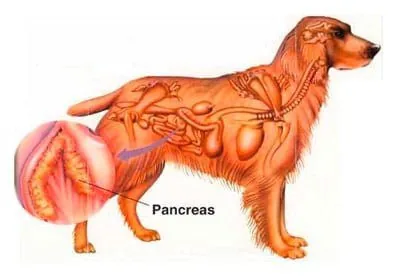
The pancreas is an organ located next to the duodenum, the first part of the small intestine. It's divided into two parts based on its function: the endocrine pancreas, which produces insulin (a hormone essential for glucose metabolism) and glucagon, and the exocrine pancreas, responsible for producing digestive enzymes. In this article, we'll focus on the exocrine pancreas.
The pancreas, and especially its exocrine function, is dedicated to metabolic activity involving the production and transport of digestive enzymes (activated by the basic pH of the duodenum). These are mainly: lipase, trypsin, elastase, and amylase.
In dogs, the pancreatic duct joins the bile duct, which comes from the liver, and both end at the duodenum mentioned above. This is how food gets digested.
What is pancreatitis? Causes
Pancreatitis is inflammation of the pancreas. It's the most common disorder of the exocrine pancreas in dogs, and within that, the acute form (potentially fatal). Its cause isn't fully known. However, it's linked to fatty food, though it's usually secondary to problems outside the pancreas. So, diet is a key, important factor.
Very fatty diets, or chronically feeding fatty products or "table scraps," predisposes a dog to this condition. This tends to be the most common cause. That said, there can be others, such as:
- Pancreatic ischemia: can lead to acute pancreatitis, for example after trauma.
- Blockage of the pancreatic ducts due to tumors, stones...
- Hypercalcemia in the animal's body.
- Infectious agents.
- Immune-mediated causes.
As with most diseases, any dog can develop pancreatitis, but it's been found to be more common in overweight dogs, with a slight predisposition in females.
What complications can it cause?
As if that weren't enough on its own, pancreatitis comes with a series of complications. These are:
- Dehydration, low blood volume, and shock, which can lead to kidney damage.
- Disrupted gastrointestinal motility.
- Local or generalized peritonitis.
- Respiratory complications. There will be rapid breathing (tachypnea) from pain, and possible pulmonary edema in acute pancreatitis.
- Disseminated intravascular coagulation (DIC) and arrhythmias.
- Liver damage such as fatty infiltration, congestion, bile duct obstruction...
- Hyperglycemia from excess glucagon secretion and inadequate insulin release (causing diabetes).
Symptoms of pancreatitis
Pancreatitis is very serious and can be fatal for a dog. In fact, the organ often develops tissue death, known as acute necrotizing pancreatitis. Because of this, any sign consistent with this condition is a reason to see a vet immediately. Treatment needs to start as soon as possible. The most common symptoms are:
- Vomiting as a frequent symptom.
- Acute abdominal pain, mild to intense, on the right side of the upper abdomen.
- Diarrhea.
- May or may not include fever.
- Dehydration from severe vomiting and diarrhea.
- Rapid, shallow breathing (tachypnea).
- Shock in the most severe cases.
How is pancreatitis diagnosed?
The clinical picture and general physical exam of the dog will guide the vet toward a pancreatitis diagnosis. This can be suspected thanks to bloodwork showing excess pancreatic enzymes, along with a rise in white blood cells and a drop in platelets due to DIC.
On the chemistry panel, we'll see elevated glucose, elevated ALT, and lower levels of electrolytes like sodium, potassium, and chloride.
However, there's a fairly specific test available at vet clinics. This is the lipase test. A blood sample is taken and placed on a test strip, which measures lipase levels in the body. It's 90% specific. A negative result, therefore, rules out the disease.
What's more, an abdominal ultrasound can detect pancreatic inflammation, which will show as an enlarged or reactive pancreas. It's a specific, sensitive test that can also diagnose masses and obstructions.
Treating acute pancreatitis
Given how serious this disease is and its prognosis, treatment will first require hospitalizing the dog, since the first step is to correct dehydration and get the animal out of shock, if present.
They'll be admitted, and the vet will give IV fluids — this, along with diet, will be essential. As for medication, antibiotics such as metronidazole are used, along with pain relievers such as buprenorphine, anti-nausea drugs such as maropitant, stomach protectants such as ranitidine, and other medications if additional symptoms need treatment.
Corticosteroids (dexamethasone, for example) can be given as standard shock treatment. Heparin is used in case of DIC. Treatment should be given for at least two weeks.
As for diet, it's important to give a low-fat diet. This will start gradually. On the first day, a full fast may be given so the pancreas doesn't have to work until symptoms ease up a bit. Pancreatic enzyme supplements can also be given.
Depending on the severity and stage of the pancreatitis, the outcome and prognosis will be more or less favorable. A positive sign would be the dog starting to eat with appetite again. In some cases, the outcome isn't favorable, and unfortunately the dog passes away. If they do recover from this very painful disease, they may have another flare-up at some point in their life. We should tell the vet that the dog has had pancreatitis before. Because of this, they may need to stay on a low-fat diet long-term.
Can pancreatitis be prevented?
Even if a dog recovers from pancreatitis, they're a candidate for this inflammation to recur, whether mildly or severely. To prevent this, it's recommended to take steps to eliminate predisposing factors, such as the following:
- Address the dog's excess weight or obesity, always following the vet's guidance.
- Feed them three or four meals a day to avoid overloads that increase the pancreas's workload.
- Don't give them table scraps from our food, and definitely not foods high in fat, since this is considered a major predisposing factor.
- It's recommended that any episode involving vomiting be checked by the vet, since it could be pancreatitis, which can be fatal.
IMPORTANT: This article is for informational purposes only and does not constitute veterinary, nutritional or behavioural advice. Every dog is different, and only your trusted vet can advise you on its specific needs.