 Nutrition
Can I Give My Dog Watermelon? What About Melon?
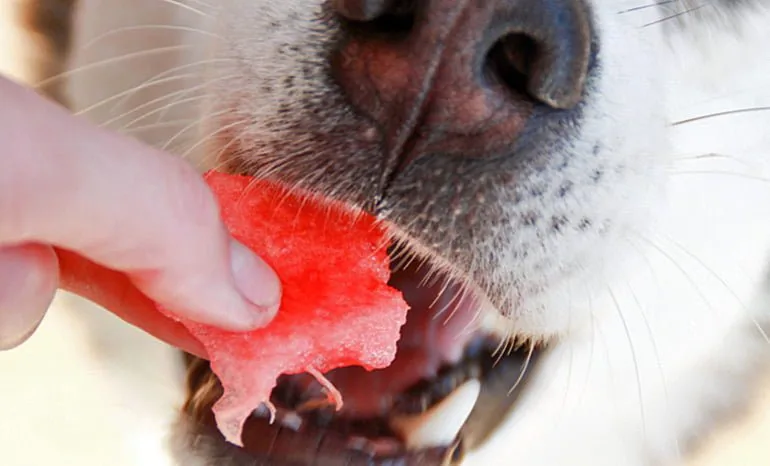
Fruit is one of the healthiest, most natural foods on our planet. Specifically, watermelon and melon have excellent nutritional properties, so when you eat a bit, don't forget to share it with your dog.
If you're wondering whether it's good for your dog to eat watermelon, the answer is yes. But as with everything, in the right amount and always with no seeds. The same goes for melon — it's very healthy but in small portions. Want to know its benefits and the recommended amounts?
Don't miss: Suitable fruits in a dog's diet
Is It Good for a Dog to Eat Watermelon?
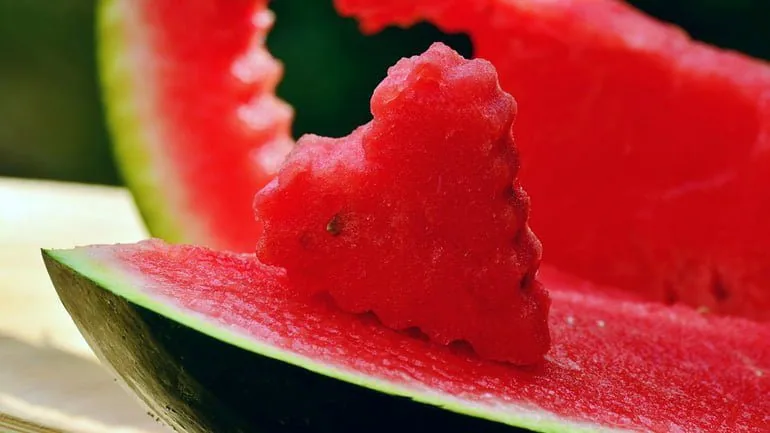
Of course — watermelon is a fruit with a lot of water, vitamins, and minerals. A healthy fiber source, and it's also delicious — what could be bad about it? Actually, there is something not so great: the seeds and the sugar.
That's why watermelon is good as long as we give it in small portions, without it making up a significant part of our dog's total daily diet. A bit every now and then, with no seeds, is very healthy.
Benefits of Watermelon
Let's go over the main beneficial properties of this delicious fruit our dogs love so much.
- It contains a good amount of vitamins A, B, and C.
- Watermelon is rich in minerals such as potassium, phosphorus, or iron.
- It contains a large amount of water, helping keep our dog hydrated.
- It has no fat at all and is very low in calories — it doesn't cause weight gain.
- It contains natural antioxidants and fiber.
How Much Watermelon Can a Dog Eat?
It all depends on the dog's size, since a Yorkshire isn't the same as a Saint Bernard, right? A small dog should eat a very small portion of watermelon, as an example, a piece the size of our thumb, cut into small bits to prevent choking.
A large dog can even eat a small watermelon slice with no problem, since proportionally, the amount would be similar to what we gave a small dog.
Fruit should never make up more than 5% or 10% of our dog's total diet, since as carnivores, its diet should mainly consist of animal protein.
Is It Good for a Dog to Eat Melon?
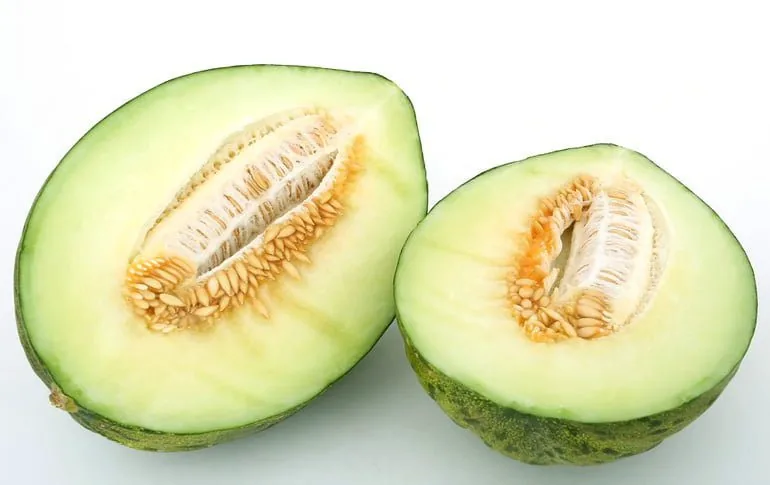
Of course — melon is also a fruit with a high proportion of water and many vitamins and minerals beneficial for our dog's health. But we should always give it in small portions and with no seeds.
Nutritional Benefits of Melon
Let's quickly and simply look at melon's beneficial properties.
- Melon contains a large amount of water, helping our dog stay hydrated.
- Melon is a diuretic.
- It contains a large amount of vitamin A and C, as well as folic acid.
- It's rich in fiber, easing bowel movement.
- It contains natural antioxidants and provides kidney benefits.
How Much Melon Can a Dog Eat?
The amount of melon a dog can eat per day without it upsetting it depends on its size, just like with watermelon.
A small dog shouldn't eat a portion larger than 10% of its daily diet, which equals a piece about the size of an eraser. We should always give it cut into pieces to prevent choking.
A larger dog can eat a bigger portion, though always proportionally. If we overdo it with melon, it won't be as beneficial for it.
Drawbacks of a Dog Eating Melon or Watermelon
Actually, if we give small portions there shouldn't be a bigger problem. Though as a precaution, it's always recommended to start with a very small piece and wait at least a day to assess how it sat.
The dangerous part of melon and watermelon is overdoing the amount — if we give our dog too large a portion, we can cause diarrhea, vomiting, and/or digestive discomfort.
The most dangerous part of these fruits are the seeds, which are completely contraindicated in our dog's diet. We should prevent it from eating them, since they're harmful to it.
IMPORTANT: This article is for informational purposes only and does not constitute veterinary, nutritional or behavioural advice. Every dog is different, and only your trusted vet can advise you on its specific needs.