 Care
Care
Canine Melanoma
Melanoma is a type of tumor in which the skin cells responsible for producing melanin, melanocytes, proliferate. It shows up as a dark mass in different parts of the body.
In short, whether it's benign or malignant depends on its location. Below, we cover the basics of this type of tumor, as well as the prognosis and treatment for the most common melanomas in dogs.
How to Spot a Melanoma
Melanoma is a tumor that originates in certain skin cells whose job is producing melanin — melanocytes. Melanin is a very common pigment, widespread throughout nature. It's responsible for coloring the skin, hair, iris, mucous membranes, etc. Melanoma is one of the few cancers in which the tumor's anatomical location acts as a prognostic indicator for the animal.
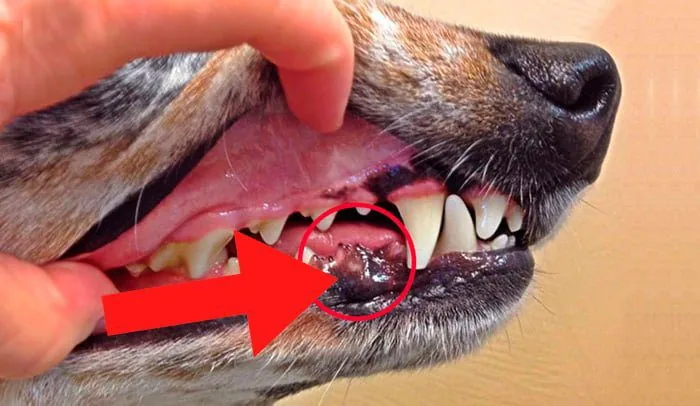
So, melanomas can appear in different locations. We usually see them as firm, dark pigmented masses. They usually appear as a single nodule of varying size, from a few millimeters to several centimeters. It's well defined and usually rounded in shape. The most common locations for this tumor are:
- In the mouth (56%), lips (23%), skin (11%), toes (8%), and other locations (2%, including the eye).
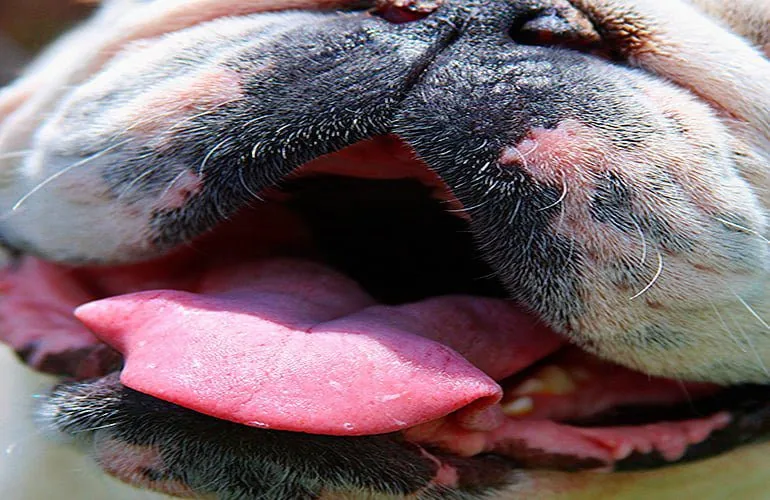
Melanomas of the oral cavity are considered almost always malignant. They mainly appear on the gums, and are less common on the tongue, pharynx, or palate.
Risk Factors for Melanoma
Melanoma can affect any dog, but it's been found that some breeds show a higher frequency of it. These are Golden Retrievers, Scottish Terriers, or Poodles for oral melanoma. And Terriers (Boston Terrier, Scottish Terrier, Irish Terrier), Spaniels (Cocker Spaniel, Springer Spaniel), Boxer, Chihuahua, or Doberman for the skin form.
Melanomas are more common in older dogs. Chronic exposure to ultraviolet radiation from the sun may influence their development. Intensity and length of exposure are factors that increase the risk.
How Long Does a Dog With Melanoma Live?
Melanomas can be benign or malignant. The prognosis depends on their location. So, melanomas that appear on the skin tend to be benign — the exact opposite of what happens with those that grow in the mouth.
Oral melanoma has traditionally been considered an extremely malignant tumor, with a high degree of local invasion and a strong tendency to metastasize. The size of the primary tumor has been found to be extremely predictive of outcome.
The World Health Organization's staging system for dogs with oral melanoma is based on size.
- Stage I = tumor <2 cm in diameter.
- Stage II = tumor 2 to <4 cm in diameter.
- Stage III = tumor ≥4 cm and/or lymph node metastasis.
- Stage IV = distant metastasis.
Average survival times for dogs with oral melanoma treated with surgery are approximately 17 to 18, 5 to 6, and 3 months for stage I, II, and III disease, respectively.
Diagnosing Melanoma in Dogs
When we detect a nodule or lump on our dog, the first step should be seeing the vet. It's this professional who can determine whether or not it's a tumor. To do this, the vet will take a history and perform a general physical exam, as well as examine the lesion itself.
To confirm the tumor mass, a sample will be taken and sent to the lab. This is known as a biopsy, and it shows what type of cells make up the tumor.
With this information, the tumor type is identified, whether it was removed with good margins… This lets the vet give a prognosis. In addition, if the biopsy is excisional (the whole mass was removed with good margins), the surgery will have been both diagnostic and therapeutic.
It's very important not to delay the vet visit, thinking the lump is nothing, just aging, or that it will go away on its own.
In addition, as vets, we need to take chest X-rays to look for lung metastases, a follow-up ultrasound, and/or bloodwork to get an overall picture of the dog's condition.
Early treatment is the only way to give the dog the best chance of a cure and survival. Waiting will only make its condition worse.
Melanoma Treatment
The recommended treatment for melanoma is surgical removal with wide margins. The vet will remove the mass with a wide margin of healthy tissue around it, to include all malignant cells along with the tumor mass.
Surgical treatment offers an excellent prognosis in cases of benign tumors. For malignant ones, surgery is also used, but the prognosis will differ, given the higher chance of metastasis. Preventing metastasis remains the biggest obstacle to successful treatment.
In melanomas that grow in the mouth, treatment can be aggressive enough to require removing part of the jaw (lower) or maxilla (upper).
Radiotherapy and chemotherapy have provided clinical benefits depending on the tumor's stage.
Tips to Prevent Melanoma in Dogs
Preventive measures against melanoma focus on controlling sun exposure as much as possible. These measures are especially important if we live in areas with high UV radiation, if our dog has a white coat, or if it's one of the breeds more prone to melanoma. These are:
- Avoid exposing the dog to the sun during the hours or days of highest UV intensity.
- During these periods, apply dog-safe sunscreen with an appropriate protection factor for the area, and water-resistant (ideally one that doesn't harm marine life).
- Frequent vet visits if a mass has been removed, for follow-up, for at least two years.
IMPORTANT: This article is for informational purposes only and does not constitute veterinary, nutritional or behavioural advice. Every dog is different, and only your trusted vet can advise you on its specific needs.