 Care
Care
Canine Pneumonia: Symptoms, Diagnosis, and Treatment
Just as in humans, pneumonia is a condition that can become quite serious in dogs. Even so, if caught in time, our furry friend usually manages to recover within a few weeks.
In this Soyunperro article, we'll explain what types of pneumonia exist, what symptoms they have, and how they're treated. We'll also give you some useful tips on how to care for a dog sick with pneumonia, so it recovers faster and better.
Causes and Types of Canine Pneumonia
The first thing we should know is that pneumonia is inflammation of the lungs and/or airways, and it can occur from very diverse causes. The most common cause of this disease usually has an infectious origin, such as the canine distemper virus or canine influenza, though not always. Sometimes, pneumonia can be caused by non-infectious causes, such as inhaling harmful substances (chemical pneumonia), or the presence of foreign bodies such as seeds or parasites.
Either way, it's important for the vet to be able to determine which type of pneumonia our pet has so treatment is effective. For this, they'll need to first run a series of diagnostic tests.
Generally, it's uncommon for a healthy adult dog to get pneumonia, but it's more common in puppies, older dogs, and those with chronic diseases. For newborns, there's a specific type of pneumonia: aspiration pneumonia, which occurs from inhaling a liquid (in this case, milk).
What Are the Symptoms of Canine Pneumonia?
Although symptoms of canine pneumonia can vary case by case, the most characteristic are:
- Fever
- Dehydration
- Apathy or lethargy
- Loss of appetite
- Sneezing and wet coughing, with phlegm or mucus
- Tachypnea (rapid breathing) and tachycardia (rapid pulse)
- Dyspnea (trouble breathing)
If this set of symptoms shows up in the dog, take it to the vet as soon as possible so they can examine it and run the corresponding tests.
To reach a diagnosis and confirm or rule out pneumonia, X-rays, bloodwork, and other additional tests will likely need to be done, such as a bronchoscopy, a procedure that lets the airway be seen and secretion and tissue samples collected.
Treatment to Cure Pneumonia
Depending on the severity and type of pneumonia the dog has, the vet will recommend treatment for each case. Normally, for bacterial pneumonia, antibiotics are prescribed for a minimum of three weeks. Dogs with pneumonia caused by a viral, fungal, or parasitic infection may need other specific medications.
During treatment, it's important for us to be especially careful and to follow the vet's instructions to the letter. Pneumonia, if it becomes complicated, can turn chronic and, in the most severe cases, the dog can die.
You don't need to worry about catching pneumonia from your dog. Almost all infectious agents involved in canine pneumonia are dog-specific, so it's very unlikely pneumonia could spread between dogs and humans.
Care for a Dog Sick With Pneumonia
When caring for a dog with pneumonia, there are several guidelines to follow that can help it recover. The main care your furry companion will need is:
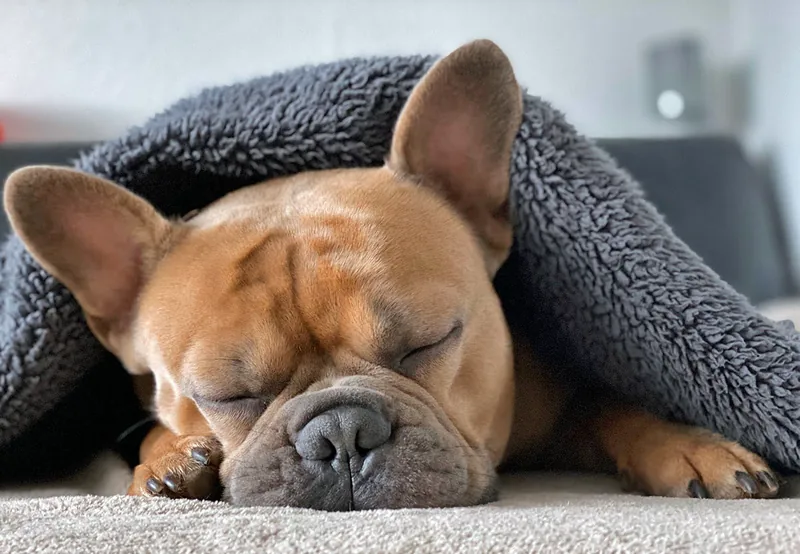
- A suitable, quality diet that helps it recover as soon as possible. • Providing it with a warm, quiet, comfortable place.
- Giving it the medication the vet indicates, without skipping any dose.
- Try to make sure the humidity in the environment where the dog is staying is appropriate.
If diagnosed in time, the prognosis for pneumonia in dogs is usually favorable. However, if it worsens, it can lead to complications such as hypoxemia (an abnormal decrease in arterial blood oxygen levels) or sepsis (a body-wide infection), which can result in our pet's death.
The key is properly identifying the cause behind it and eliminating it, so that, after treatment, there are no recurrences.
IMPORTANT: This article is for informational purposes only and does not constitute veterinary, nutritional or behavioural advice. Every dog is different, and only your trusted vet can advise you on its specific needs.