 Care
Care
Causes of Excessive Drooling in Dogs
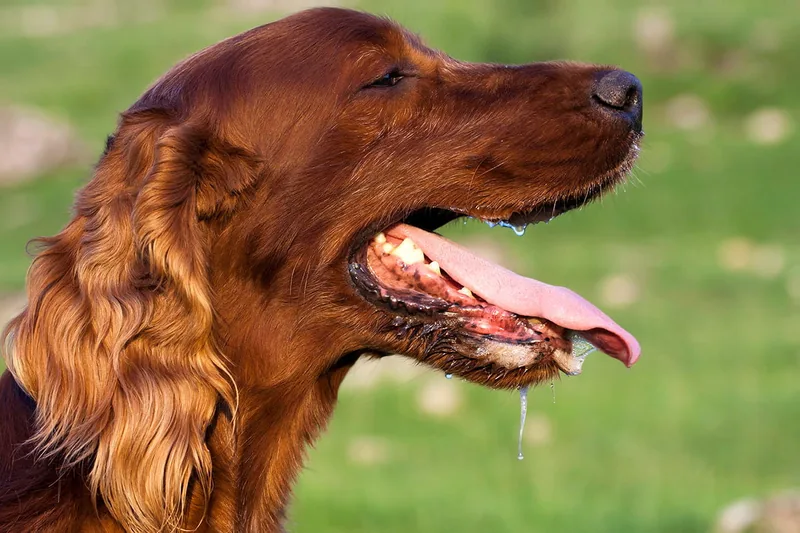
Dogs drool on many occasions due to the presence of a female in heat or being in front of food. A dog drooling isn't something that should worry us if it happens on a regular basis.
However, when drool is present at all times and we notice more symptoms, we could be facing a health problem requiring veterinary attention. Let's look at the details.
Ptyalism in Dogs
Ptyalism is excess salivation when it occurs as a result of a stimulus. Some dog breeds, such as the Great Dane or Saint Bernard (among others), have jaws prone to constant drooling. In this case, you shouldn't worry.
If your dog doesn't belong to these breeds and suddenly starts drooling, you need to know the reasons so you can see the vet and find the solution. The same applies if it belongs to these breeds but at a certain point starts drooling excessively. These are the main situations and reasons a dog drools a lot.
My Dog Drools a Lot From Emotions
It can happen that our pet drools a lot when sexually excited by a female or by some object/family member. This symptom, within that reaction, is normal, just as it is, for example, from stress during a trip or while watching us put down its food. So, in momentary situations involving emotions, it's normal.
My Dog Drools and Has Bad Breath
Excess salivation can occur when there's some problem in the oral cavity, such as diseases or a stuck object. The main causes are:
- Gingivitis with more or less tartar buildup.
- Bacterial or viral stomatitis (oral inflammation).
- Tumors or polyps.
- Broken tooth.
- Object stuck in the teeth or gums.
When drooling comes with bad breath, there's a high chance it's due to an infectious disease. You need to see your vet immediately to start treatment, since problems like this are dangerous and painful for your dog.
If something is caught in its teeth, you can try to remove it, but very carefully. Remember your dog will be in pain and could bite you.
When the source of the drooling is in your dog's mouth, the pain and discomfort will prevent it from eating; in addition, the excess saliva will dehydrate it. Both things are a risk to your pet's life and require medical attention.
My Dog Drools and Shakes
Poisoning is another cause of your dog drooling. It occurs when the animal has ingested a toxic substance or one that causes itching. Normally, this excess drooling tends to come with vomiting and/or tremors.
Signs of poisoning depend on the substance ingested, as well as the amount. Here we cover several without focusing on a single toxin. These are:
- Vomiting and excessive salivation.
- Disorientation.
- Stiffness in the limbs.
- Tremors and nervousness.
- Cardiac arrhythmia.
- Difficulty breathing.
- Dilated pupils.
As you can see, medical attention needs to be immediate. In addition, don't force your dog to drink milk or oil if you suspect poisoning, since you'll only make the toxic compounds get absorbed by its body faster. See the vet so they can treat each poisoning as it should be.
Other Causes of Excessive Salivation in Dogs
Drooling or excessive salivation can be common in dogs in many situations. These are its possible causes:
- Contact with nettles. This can make our animal start drooling a lot and uncontrollably biting and licking objects in an attempt to relieve the itching it feels in its mouth.
- Pine processionary caterpillars: these can cause oral inflammation, glottis edema, with the resulting drool coming out.
- Nausea: whether caused by an illness or indigestion, nausea can lead your dog to drool.
- Use of relaxants: certain medications, such as those formulated to relax the dog, can sometimes cause salivation.
How to Properly Determine the Cause?
Only the vet can tell you what's causing your dog to drool excessively, based on a general physical exam and what you can tell them about its mood. These studies include a review of the mouth and teeth, blood and urine tests, and others the specialist considers necessary.
Possible solutions and treatments depend on the cause. In every case, it's important to pay attention to the symptoms and see the vet as soon as possible.
IMPORTANT: This article is for informational purposes only and does not constitute veterinary, nutritional or behavioural advice. Every dog is different, and only your trusted vet can advise you on its specific needs.