 Care
Care
Gingivitis in Dogs: What It Is, Symptoms, and Treatment
If you notice your dog eating less or whimpering while eating, it may have a mouth infection known as gingivitis. This type of infection affects dogs' gums, causing them to swell and produce moderate pain that ends up becoming severe if not treated with the right medication.
At Soyunperro we'll explain in detail how this infection develops, what symptoms it presents, and how we can diagnose and treat it.
- You might also be interested in: How to clean my dog's teeth
What Is Gingivitis?
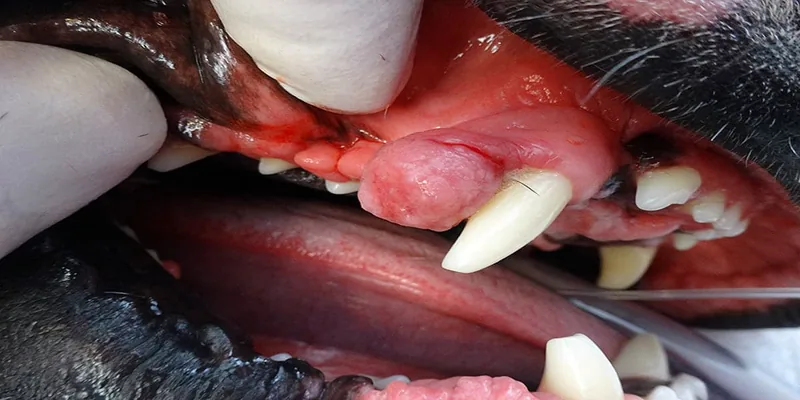
Gingivitis is a type of infection that occurs when the gums become inflamed. Depending on how advanced the disease is, ulcers, drooling, and difficulty eating or drinking can appear, potentially reaching the point of bleeding gums. If the disease is left untreated, it can lead to tooth loss.
How Does Canine Gingivitis Develop?
Primary gingivitis develops as a result of tartar buildup, which favors bacterial infection, known as periodontal disease.
Plaque is a thin, yellowish layer of bacteria, mucus, and food residue. It can be removed through brushing or dental treats. Tartar, on the other hand, is harder to remove — for that, a dental cleaning at a vet clinic is an option, or adding bones to the dog's diet (with supervision, generally large bones).
Gingivitis can also appear as a result of other systemic diseases your pet may have, such as diabetes mellitus, malnutrition, or immunosuppression.
Is It Dangerous for My Dog to Have Gingivitis?
When bacterial plaque and tartar aren't properly removed, the infection known as gingivitis can begin. As this infection progresses, the gums become redder and more swollen.
Other symptoms will appear, such as:
- Halitosis, or bad breath
- Bleeding gums/Ulcers
- Irregular gumline and pus buildup
- Discomfort while chewing (moderate to severe pain)
- Excessive drooling
Gingivitis causes pain and, if not treated in time, abscesses can appear. These bacteria can cause otitis or travel through the bloodstream, spreading internally to other organs, such as the liver or kidneys, with fatal consequences for the dog's health.
In addition, if the teeth start loosening, there's a risk they'll fall out and the dog will lose several of its teeth.
Treatment for Gingivitis
If treated in time, gingivitis can be fully cured. Treatment will depend on the stage the infection is at. If you notice your dog's gums are red and swollen, take it to the vet urgently.
Generally, the vet will give us the most suitable treatment, consisting of antibiotics, anti-inflammatories, and possibly some type of dog mouthwash.
In addition, plaque and tartar buildup needs to be removed from the gums, so they don't become inflamed again. For this, the dog may need to be sedated, and its teeth cleaned and polished to give the whole set of teeth a thorough cleaning.
If the gingivitis is very severe, the vet may take dental X-rays to check the health of its teeth and bone mass. Sometimes other diagnostic tests are also performed, such as a gingival biopsy, in which a tissue sample is taken for analysis.
The prognosis is generally favorable for cases where the lesions are localized. Complications with otitis are somewhat harder to treat, but they also have a favorable prognosis.
The same isn't true for migrations (infection sites) that may reach other internal organs. Generally, and luckily for us, these last ones are less common, since our pets give us very quick signs that something's wrong with their gums, and if we see a specialist, we'll solve it soon.
How to Prevent Gingivitis
Unlike what happens with other ailments and diseases that are hard to prevent, in the case of gingivitis and periodontal disease it's simpler: the key is making sure the dog has good oral hygiene, preventing plaque and tartar from building up on its teeth.
For this, you can brush its teeth regularly with special dog toothbrushes sold at specialty stores and vet clinics. There you'll also find mouthwashes and toothpaste. Many of the toothpastes sold nowadays come with finger brushes, with soft bristles, that let you massage the gums while you brush. The vet can recommend what's best, taking the dog's characteristics into account.
If your furry friend is reluctant to be brushed, you can always look for an alternative, such as using dental treats or bones for dogs. These, along with chew toys that stimulate saliva production, work very well for removing tartar and preventing gingivitis.
IMPORTANT: This article is for informational purposes only and does not constitute veterinary, nutritional or behavioural advice. Every dog is different, and only your trusted vet can advise you on its specific needs.