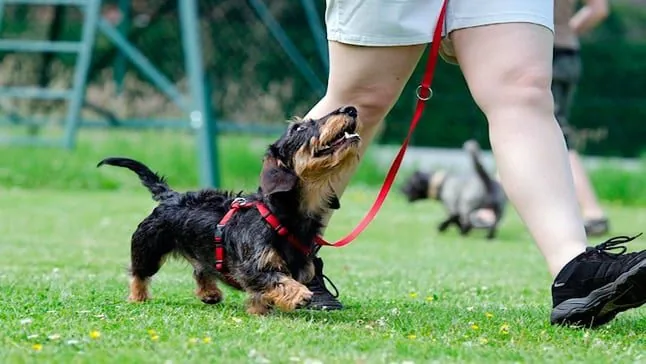
 Training
Common Mistakes When Training a Dog
We all love the idea of sharing good times with our four-legged companion, but to do so we also need to put some thought into their training and teach them things as basic as coming when called.
Even so, we tend to make plenty of mistakes when training a dog, because of our lack of experience and because we possibly try to copy techniques seen on TV or in videos online.
To help you avoid these problems, here at SoyUnPerro we want to show you the most common mistakes when training a dog.
Doing Sessions Without Preparing the Dog
One of the most common mistakes when training a dog is trying to do it without having let the dog burn off their excess energy beforehand.
Before starting any training session, we should have taken our dog for a good walk, letting them relieve themselves, sniff around and play with other dogs.
It's essential our dog has satisfied their anxiety and burned off their energy before we can start a proper canine training session, since otherwise, we won't have their concentration.
Not Understanding Age Ranges
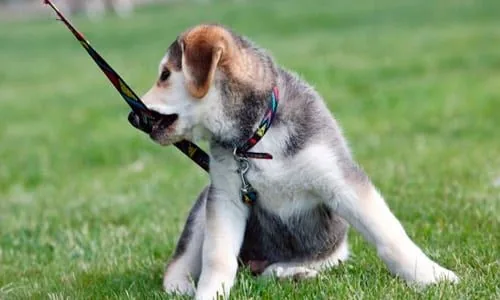
It's increasingly astonishing to see people trying to train two- or three-month-old puppies as if they were fully adult dogs, even getting annoyed if they don't do it right…
Training a dog can start from six months old, always gradually, with plenty of patience. It's from a year old that we can start doing more serious sessions.
The only thing we can and should do with dogs under six months old is start teaching them to relieve themselves outside the house and a trick or two, such as coming when called, sitting or lying down.
On another note, we need to be aware an adult dog will be more stubborn about learning than a young dog. We can't compare a one-year-old dog with a nine-year-old one… obviously the latter will find it harder to learn new things.
Using an Unsuitable Technique
There are still plenty of people who, out of a lack of knowledge, keep using conventional canine training techniques, where if the dog does something right they're rewarded, and if they do something wrong they're scolded or punished.
Dog training techniques have evolved a great deal, and it's been shown that the most advisable, effective one is positive reinforcement, where the dog is rewarded when they do well, but ignored when they do wrong.
Never, under any circumstances, should you hit a dog (it's considered animal abuse and is punishable by law). What's more, the dog's behaviour can turn aggressive, and instead of teaching them something positive, they'll be learning negative things.
Choosing a Poor Spot for Training
Once our dog is settled — that is, they've played and tired themselves out for a good while before the training session — we need to choose a quiet spot to start.
Another mistake when training a dog is trying to do it on a busy street with plenty of traffic or noise that could make them lose concentration. We need to pick a quiet spot where, if possible, neither dogs nor people distract us.
It should be a pleasant spot, neither too cold nor too hot, without excessive noise. It can be outdoors (some quiet park) or at home (a room just for us).
Not Repeating Sessions Often Enough
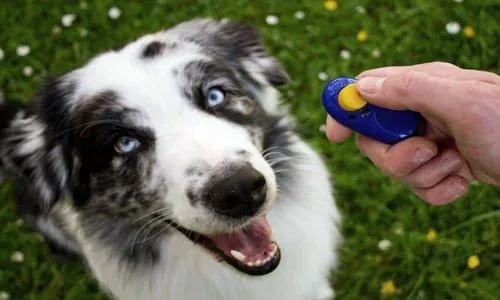
Let's carry on with another of the most common mistakes when training a dog, which involves teaching them a trick and repeating it the next day to see if the dog remembers it, and that's it.
When we teach our dog something, we need to be insistent to the fullest extent. However simple the trick, we need to practise it in every training session.
Remember dogs learn through repetition — the more times we practise something, the better it will stick in their mind. And of course, every time they do it right, you need to give them a reward.
Not Knowing How to Understand Our Dog
Knowing a bit about canine language so we can tell how our dog is feeling is one thing, but knowing how to show our dog what we want them to do is quite another.
No offence intended, but it's us, the owners, who often don't know how to properly train a dog, and we get frustrated thinking our dog is stupid and won't learn… when actually the stupid ones are us.
Teaching a dog to sit is very simple, pressing down on the back of their hindquarters while giving the command.
But teaching other tricks, such as staying seated even when other dogs pass by, walking beside us off the lead, or barking on command, are considerably trickier, and not everyone knows how to teach them.
That's why, before training your dog, you should research thoroughly how to carry out the exercise you want to teach them. And if you don't manage it within a few weeks, don't get frustrated — simply see a professional trainer to teach you.
IMPORTANT: This article is for informational purposes only and does not constitute veterinary, nutritional or behavioural advice. Every dog is different, and only your trusted vet can advise you on its specific needs.