 Care
Care
Techniques and Benefits of Cryotherapy in Dogs
The name cryotherapy might not immediately give away what technique we're about to discuss, but in reality, it's simply the application of cold in pursuit of a therapeutic effect.
The use of intense cold, which we might reach for at home when we bang ourselves, has several applications in veterinary medicine, notably the use of liquid nitrogen. Let's see how it can help our dog friends.
What Is Cryotherapy?
Cryotherapy involves applying cold to a part of the body with the goal of healing some kind of damage. We can distinguish between cryotherapy done with frozen items and that which uses liquid nitrogen or argon gas, also called cryosurgery or cryoablation.
For the first type, ice packs, frozen gel packs, or, less ideally, submerging the affected area in ice water or spraying it with a cold spray are used. This treatment can be applied several times a day in sessions of around 20-30 minutes, depending on the patient's needs and injury.
At home, we could use bags of frozen food, like frozen peas, to apply cold, always with a towel or cloth between the bag and the skin, since cold can cause burns.

What Is Cryotherapy Used for in Dogs?
Broadly speaking, cryotherapy or cryosurgery is prescribed in veterinary medicine for physical therapy or oncology. Here are some of the main cases where this technique is used in dogs:
- The acute phase of inflammation, meaning the first 24-72 hours after it appears. This inflammation can result from impacts, surgery, muscle injuries, tendinitis, etc.
- Osteoarthritis.
- Skin problems such as acral lick dermatitis, where there appears to be a psychological component and which tends to be hard to treat.
- Liquid nitrogen can destroy cancerous tissue, which is why it's used to treat surface tumors on the body, such as benign papillomas or malignant sarcomas, as an alternative to surgical removal. It has hardly any side effects.
- Eye conditions such as glaucoma.
Benefits of Cryotherapy in Dogs
In many cases, when the vet prescribes cryotherapy, it's because they're seeking benefits as important as the following:
- Analgesia, meaning pain relief, and anesthesia with long-lasting applications.
- Reduced inflammation.
- Helps control muscle spasms.
- Reabsorption of edema, caused by fluid buildup.
- Vasoconstriction of blood vessels.
- Lowered temperature at the surface level.
- Facilitates muscle activity if applied for a short time. With repeated applications, it increases muscle tone.
Contraindications of Cryotherapy in Dogs
Despite the benefits of cryotherapy treatment, it shouldn't be applied in every case, since it could actually backfire. So, in the following situations it's not advised or should be used with caution:
- Areas with sensory deficits.
- Peripheral nerve injuries.
- Diabetes-related neurological disorders, which is why we should be careful with dogs with diabetes.
- Deep or infected open wounds.
- Areas with circulation problems, being careful with animals that have heart or vascular conditions.
- Very young, very weak, or very elderly dogs.
- Hypothermia, meaning dogs with a low body temperature.
- If the dog doesn't tolerate this technique well, its use should be reconsidered.
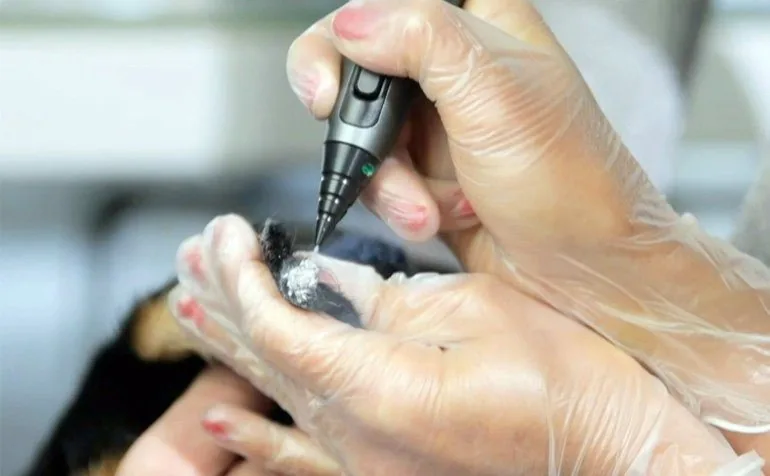
Side Effects of Cryotherapy With Liquid Nitrogen or Argon Gas
This technique is often used as part of cancer treatments, and although it carries fewer side effects than other more common procedures like surgery, after applying it we might notice signs such as:
- Pain.
- Bleeding.
- Swelling.
- Loss of sensation.
- Loss of pigmentation.
How Much Does Cryotherapy for Dogs Cost?
It's not possible to give an exact figure, since the prices of veterinary procedures vary depending on the clinic's location, the vet, and how specialized the technique needs to be. The more specialized it is, the higher the cost will climb.
So, cryotherapy consisting of direct application of cold to an injury is usually included in the price of the diagnostic consultation. In cases where it's part of a physical therapy treatment, it will match the price set by the rehabilitation vet for each session.
Using liquid nitrogen as a cancer treatment will cost more or less depending on how many sessions are needed. So our recommendation is to always ask several professionals for a quote, so we can compare and choose the best option.
Can I Apply Cryotherapy to My Dog at Home?
Absolutely not. Cryotherapy offers interesting benefits, but only the vet can decide when it's advisable to use it. Doing it ourselves could be harmful to our dog. At home, we can only follow this professional's recommendations.
Obviously, cryotherapy using liquid nitrogen or argon gas can only be performed at veterinary centers, by professionals with the knowledge and experience to handle these substances.
Bibliography Austin W. Richman, Allison L. Kirby, Wayne Rosenkrantz, Russell Muse: Persistent papilloma treated with cryotherapy in three dogs. Veterinary Dermatology, Volume 28, Issue 6 December 2017, pp. 625–e154. Gemma del Pueyo Montesinos: Rehabilitación y fisioterapia del paciente con osteoartrosis. Ateuves nº 13, pp. 40-46.
IMPORTANT: This article is for informational purposes only and does not constitute veterinary, nutritional or behavioural advice. Every dog is different, and only your trusted vet can advise you on its specific needs.