 Care
Care
GPS Tracker for Dogs
With the arrival of new technology and smaller hardware sizes, it was only a matter of time before GPS dog collars came out, letting us find our dog if it gets lost.
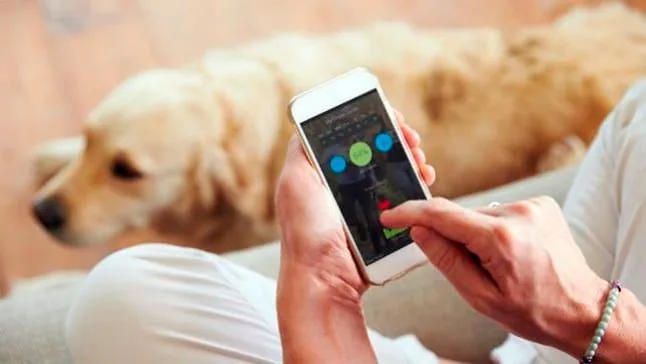
Portable GPS trackers are already a reality — there are plenty of models already built in, or ones we can add to our dog's collar, that use a simple phone or PC app to give us all the information we need.
This will help us know where our dog is, where it's been, and it can even send us an alert if it leaves a zone we've set up beforehand, a safety perimeter. Want to know more? We'll explain it all in detail.
How Does a GPS Collar Work?
This type of collar has a small device built in that carries a GPS signal receiver, letting the collar know the dog's exact coordinates. The collar itself has a slot for a SIM card, meaning a mobile phone card.
This way, the collar can pick up its geographic position and also send it to us by phone or SMS, to our mobile device or the manufacturer's app.
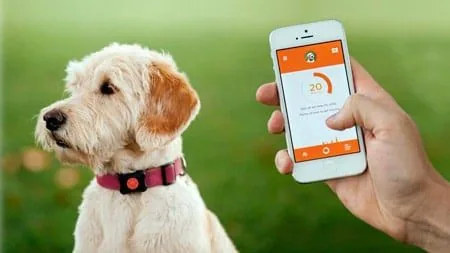
So how it works is really simple: we put the GPS collar on the dog with its activated SIM card, and let it go about its normal life. From our phone or desktop computer, thanks to the manufacturer's app, we'll be able to see in real time where our dog is.
Also where it's been, since its collar will let us know its position over previous hours and days. Thanks to technology and the type of collar or harness we put on it, our dog will never get lost again.
Which Dogs Need a GPS Tracker?
Obviously, this kind of technology isn't necessary for well-trained house dogs that never run off... The GPS collar is more geared toward hunting dogs that can cover large stretches of land and get lost, or very mischievous dogs prone to frequently running off.
It's even a great invention for herding dogs, which can not only tell us where they are thanks to the GPS device, but might also possibly show us where the flock they're watching over is.
A well-behaved house dog that never runs off, used to its two or three daily walks or going for a run with its owner, visiting the dog park, or playing near home... doesn't really need this kind of technology at all.
How Much Does a GPS Collar Cost? Do I Have to Pay Monthly Fees for It to Work?
Unfortunately, the price of GPS collars for dogs is fairly high, and on top of that, not every collar is the same — some are smaller and more discreet, others have a much longer battery life, others are waterproof (very important), and so on.
Depending on the quality we're looking for in the collar, we'll pay more or less for it — anywhere from fifty euros for the most basic collar to three hundred for the most complete one. On top of that, we need to add the monthly fees for the SIM card and the manufacturer's app service, meaning between ten and fifty euros more per month.
There are GPS collars with no monthly fees that work via radio frequency — obviously a more cost-effective option, but with the drawback that beyond a certain distance, the radio signal is lost. So these only work within perimeters of, say, twenty or thirty kilometers.
What to Consider When Buying a GPS Collar
The most important points to remember are the following:
- GPS device size: If your dog is a medium or small breed, don't buy it a brick... it'll be very uncomfortable for it.
- Coverage and battery: Just as important as coverage range is battery life — remember that GPS collars need to be recharged, just like mobile devices.
- Device quality: Dogs are pretty rough on things — they'll bump it around and get it wet... try to buy a water-resistant device made of impact-resistant materials.
- Price and fees: Don't be fooled by very cheap GPS collars that then charge you excessive fees... look for a balance. The best GPS isn't the most expensive one, don't forget that.
- Compatibility: Not every GPS collar works everywhere — make sure you get one that works in your country and whose tracking app is available in your language.
IMPORTANT: This article is for informational purposes only and does not constitute veterinary, nutritional or behavioural advice. Every dog is different, and only your trusted vet can advise you on its specific needs.