 Care
Care
Gray Hair in Dogs: When Does It Appear and What Does It Mean?
Did you know dogs get gray hair too? Often it's just a matter of age, but when these white hairs appear in young dogs, you shouldn't overlook it.
So you're well informed on this topic, we'll explain why they tend to show up, when, and in which areas they're most common. Got a couple of minutes for us?
Don't miss: How to Care for an Elderly Dog
When Do the First Gray Hairs Appear on a Dog?
Coat color comes from melanin, a pigment produced in each hair follicle, which is also present in humans. When there's a malfunction in its production, the well-known gray hairs appear.
With age, a dog's coat can start turning white. This normally happens from around seven or eight years of age, which is when it goes from being an adult to a senior if it's a large breed. In small breeds, this transition happens between nine and ten years of age. However, in some cases it appears much earlier — even at one or two years old, the first sign of gray hair can be spotted. What causes this sign of premature aging?
Causes of Gray Hair in Dogs
Gray hair can appear for various reasons, among which the following stand out:
Age and Genetics
Normally, alongside these white hairs that tell us our dog is no longer quite so young, other characteristic signs of aging tend to appear, such as arthritis, or the loss of sensory abilities (sight, hearing…). Also, our friend will have less and less stamina, so it will get tired faster during walks or activities it used to be able to do without any trouble.
On the other hand, although it doesn't always happen, our dog may undergo changes in temperament and become more "grumpy" — that is, less sociable with other dogs or people, and prefer to spend more time alone or simply resting.
Most people will know how to interpret age as the reason for this attitude, so they'll be respectful with elderly dogs, although we should be especially attentive in the case of inexperienced animals (puppies), just as with children. Elderly dogs may not be as tolerant of playful behavior as an adult dog, so we should keep this in mind to prevent scares.
Unfortunately, it's impossible to fight against the years — this is something completely natural that we simply need to accept.
Stress
If gray hair appears in a young dog, it may be due to anxiety problems, fear, or impulsiveness. Just as happens in humans, this can cause the dog to age prematurely.
Stress-related hormones, such as adrenaline or noradrenaline, can affect the genes that control coat pigments, causing hair to lose its color. Dogs are very empathetic toward people, so stress from their owners or caregivers can also make the animal feel more anxious, contributing to the appearance of gray hair.
Other possible causes of its nervousness can include loneliness, a feeling of abandonment, the loss of a loved one, or thinking it's been pushed aside by the arrival at home of a baby or a new family member who has taken up all your attention.
A Poor Diet
A deficient diet, lacking vitamins or basic nutrients, can also make the dog age before its time.
The quality of the water it drinks is equally important, since high chlorine levels can lighten its coat's color and shine.
Where Do the First Gray Hairs Appear?
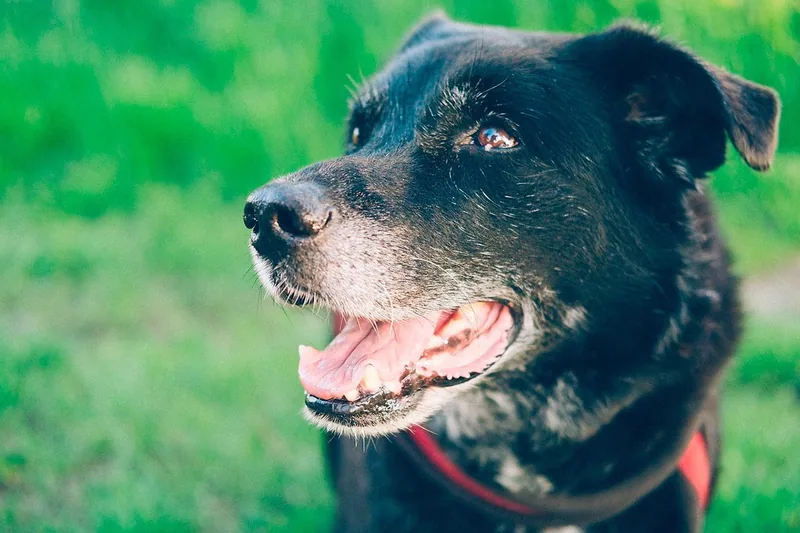
The first gray hairs in dogs tend to be concentrated, above all, on the muzzle, the eyebrows, or the area around the eyes, although over time they can become visible on other parts of its body. If you see your furry friend suddenly starting to turn much whiter than it used to be, pay attention.
Don't forget that some health problems are closely related to anxiety, so it would be advisable to consult a vet if the gray hair appears very quickly or early, and especially if it's linked to other underlying health problems.
If it's confirmed the dog suffers from stress or phobias that make it nervous, your next goal should be to help it relax so it isn't in that state of permanent tension, through different measures such as exercise, a good diet, and affection. Good habits will help your dog maintain good physical and emotional health, which could also affect how quickly gray hair appears.
In conclusion, gray hair tends to be a normal sign of age in dogs, although if we notice it appearing prematurely or very quickly, it may be associated with premature aging or be a sign of stress. In this case it's important to determine the exact problem and treat it so it doesn't get worse.
IMPORTANT: This article is for informational purposes only and does not constitute veterinary, nutritional or behavioural advice. Every dog is different, and only your trusted vet can advise you on its specific needs.