 Care
Care
How to Care for a Senior Dog
Just like it happens to us, our beloved dogs age too, although they do so at a much faster pace than we do. And once old age arrives, we need to start applying a set of specific care measures.
Not all dogs age at the same rate — depending on their size and breed, some will reach old age at nine or ten years old, while others won't until thirteen or fifteen. And each one requires their own kind of care, which is why knowing how to care for a senior dog is essential.
At SoyUnPerro we're going to show you the most practical and recommended tips for caring for an adult, senior, or old dog, whatever you prefer to call it. Take care of them the way they deserve.
How do I know when a dog is a senior?
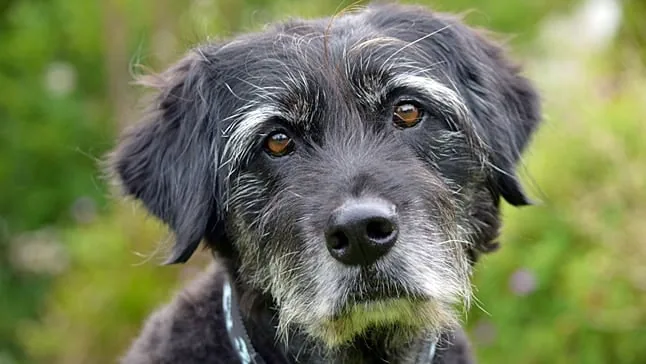
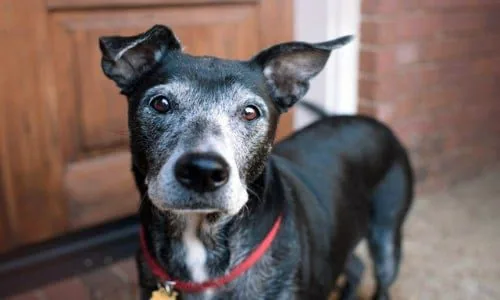
There are many small details we can notice in our dog to determine when they've become a senior. One of the most noticeable signs is the appearance of gray hairs on their snout.
When gray hairs start covering our dog's snout, it's a sign they're getting older and will soon become a senior dog. Full senior status arrives once their snout is practically covered in gray, and gray hairs start appearing on their head too.
Reduced energy is also a clear sign of aging in dogs — they'll become less active and calmer. That said, this doesn't mean they no longer want to go for walks and greet other dogs.
Behavioral changes at home are also typical in senior dogs — they become more affectionate, more attached to family, and sometimes even start developing a fear of being left alone, unprotected.
Large breed dogs have an average life expectancy of around twelve years, while small breed dogs have an estimated lifespan of fifteen to twenty years. Depending on your dog, their senior years will begin around eight or nine years old, or around twelve to fifteen.
Diet for senior dogs
Many dogs reach adulthood with dental problems, due to wear and tear over the years. That's why choosing a kibble that's soft and easy to chew is the best option for them.
A senior dog's diet should also contain around 25% fewer metabolizable calories, since they'll also considerably reduce their physical activity, and we don't want them to gain weight.
Gaining weight will be a serious problem for their joints and circulation, which is why it's so important to choose a good "Senior" or "Mature" dog food. That said, as you probably know, the best diet is always a natural one, known as the BARF diet.
If you go with kibble, remember to choose one that's low in calories, contains a good amount of joint-support supplements (for their joints) and antioxidants, and make sure the kibble pieces are soft.
Increase the affection
Senior dogs tend to develop more fears and feel somewhat unprotected, so we should increase our affection toward them even more, if possible.
Giving them daily attention and showing them how happy we are with them is essential so they feel loved and accepted, but especially so in their later years.
We also recommend starting to give your senior dog massages, to relax their muscles and further strengthen your bond. You can learn how here: How to give a dog a massage.
On the other hand, it's normal for some senior dogs to lose bladder control and accidentally urinate at home or in places they never would have before. Remember we should never scold them for this — we should only use positive reinforcement.
Adjust their exercise
We should treat a senior dog like a puppy — we should never force them to run or exercise, nor take long hikes or walks, and definitely not force them to play when they don't want to.
We should simply keep up our walking routine with them, but let them set the pace. If they get tired and want to sit and sniff things, we sit with them; if they want to walk slowly, we walk slowly, and so on.
The best way to care for a senior dog during walks is to let them tell us how they want to walk, when they want to play, and so on — respect your senior dog, and let them be the one in charge.
Increase vet checkups
Unfortunately, senior dogs don't have the same vitality as young dogs, and a small infection or illness can become something very serious for them, since their immune defenses aren't what they used to be.
To prevent any kind of problem, we should pay a bit more attention to their health and schedule a series of routine vet visits. Even if they don't seem sick, it's just to run checkups and make sure everything's fine.
Some of the most common illnesses in senior dogs are:
- Cataracts / blindness
- Elbow or hip dysplasia
- Dental tartar problems
- Onset of canine arthritis
- Cardiovascular / circulation problems
This doesn't mean every senior dog will suffer from these — just that they're common in dogs of a certain age.
Adapt your home for a senior dog
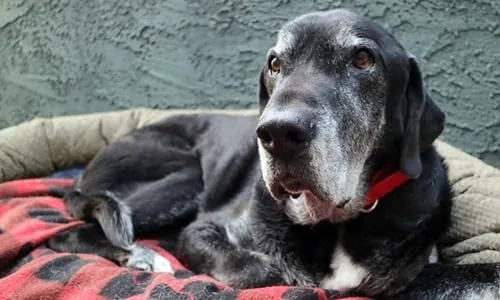
Older dogs aren't as resilient to seasonal changes, whether cold or heat. That's why we should set up a good spot for them at home, with a comfortable, soft bed.
If it's summer and it's very hot, we should place their resting spot in a cool area (always close to us) so they feel comfortable. If it's winter, we'll do the same but look for a warmer spot where they can sleep cozily.
It's even a good idea to set up two beds — one in our bedroom so they can sleep next to us at night, and another in the living room, so they can be with us while we're home.
Always leave fresh water available, along with some toys for them to chew on whenever they feel like it. Remember that senior dogs, although less so, still enjoy playing too.
And when the time comes, don't let them see you sad — simply share their final days with plenty of love. Don't miss: How to cope with the death of a dog.
IMPORTANT: This article is for informational purposes only and does not constitute veterinary, nutritional or behavioural advice. Every dog is different, and only your trusted vet can advise you on its specific needs.