 Care
Care
How to Care for a Dog in Summer?
Knowing how to care for a dog in summer is essential to protect them from high temperatures. Dehydration, paws burned by hot asphalt, or heatstroke are just some of the problems that can come up if you don't pay attention during this season.
Discover ways to cool your dog down from the heat and other recommendations for an incident-free summer. Let's get started!
Hydration
Hydration is an essential part of caring for your dog, but in summer it becomes even more important. Their water bowl should always be full, and it's a good idea to change the water daily, or even a couple of times a day, to keep it fresh.
Remember to place the bowl somewhere away from direct sun, so the water doesn't warm up. There's no need to give your dog cold water straight from the fridge — room temperature is more than enough.
Other options include offering them a delicious dog-friendly ice cream or using ice as a toy. These will help cool them down while providing extra hydration.
Diet
Many dogs tend to eat less during summer, since rising temperatures can cause behavioral changes and irritability. To counteract this, you should encourage your dog to eat by changing up their routine.
Offer them food during the coolest hours of the day, either early in the morning or in the late afternoon. This will also help with digestion.
A good option is to give them wet food, which provides extra hydration along with a different texture. If your dog isn't used to eating canned food, you can moisten their regular kibble with water instead.
Fruits like watermelon and cantaloupe are recommended during summer, but only in small portions and occasionally, since they contain a lot of sugar.
Walk schedule
One of the main aspects of caring for a dog in summer is paying attention to walk times. Just like with meals, schedule walks for the morning or late afternoon, so you avoid the hours of strongest sun.
Exercise should be moderate, since your dog could overheat or become dehydrated quickly. Another good option is to get your dog some booties or a paw-protecting gel, which will keep their paws from getting hurt on hot asphalt if you need to go out with them during critical hours of the day. That said, it's best for them to stay home until the sun is less intense.
During walks and playtime, remember to bring along a water bowl for your dog.
Cooling pad for dogs
If you're planning a trip or a day at the park with your pet, you can get a cooling pad for dogs. These cooling mats contain a gel capable of absorbing your pet's body heat, helping an overheated dog cool down quickly.
These kinds of mats come at different price points and can be used both outdoors and indoors.
Inside the house, your dog's bed should be placed somewhere cool, with good ventilation and away from direct sun. Under no circumstances should you leave them tied up in the yard or unprotected from the sun's rays.
Deworming
Summer isn't just a season for vacations. While you're relaxing, certain insects multiply and become a nuisance for your dog: fleas and ticks.
Right before summer starts, ask your vet about the best time to apply internal and external parasite treatments. This will depend on the vaccination schedule and deworming history your dog has had.
Coat care
It's not recommended to trim your dog's coat in summer, unless your vet has advised it. Why not? Their coat works as heat insulation and prevents skin burns. By trimming it, you're only exposing your dog.
Naturally, dead hair will shed on its own so the coat becomes less dense and cooler for summer. That said, it's a good idea to brush your dog frequently to help this process along. This will also help untangle knots and catch external parasites early.
Sunscreen
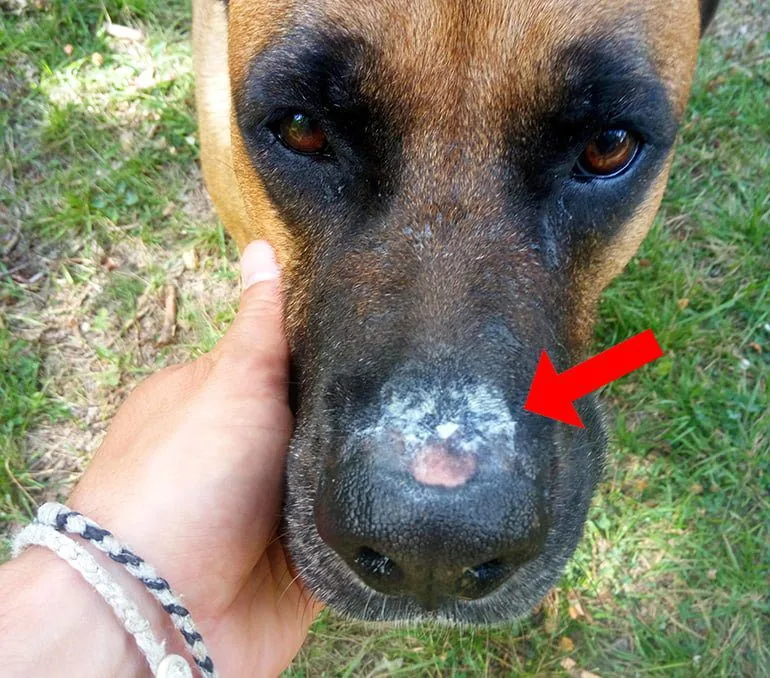
All dogs love to sunbathe, but in summer the sun is so intense it can end up causing burns on your dog's most sensitive areas, such as their nose.
To prevent this kind of burn, it's recommended to use a good-quality sunscreen for dogs that protects them well — generally, SPF 50 is recommended.
How to keep your dog cool in summer?
It's recommended to increase bath frequency if temperatures rise too much, but keep in mind that if you've applied a flea and tick spot-on treatment, you should wait a few days before bathing them.
A trip to the pool is a fun way to cool your dog off from the heat. Keep an eye on your pet at all times, since they could drown if they're afraid of water or if there aren't steps for them to get out of the pool.
Walks by rivers or natural areas can be dangerous if you don't pay attention to what your dog is doing. A strong current, rocks on the riverbed, or muddy areas could put them at risk — keep them close to you at all times. Likewise, prevent them from eating plants or fruit they find along the way.
A homemade alternative is to use a spray bottle to spritz their coat — it's good to wet dogs down when it's hot, since it helps them cool off (as long as they then stay in the shade afterward).
By following this list of summer care tips, you'll be able to enjoy time with your pet worry-free.
IMPORTANT: This article is for informational purposes only and does not constitute veterinary, nutritional or behavioural advice. Every dog is different, and only your trusted vet can advise you on its specific needs.