 Care
Care
How to Know If a Dog Is Angry
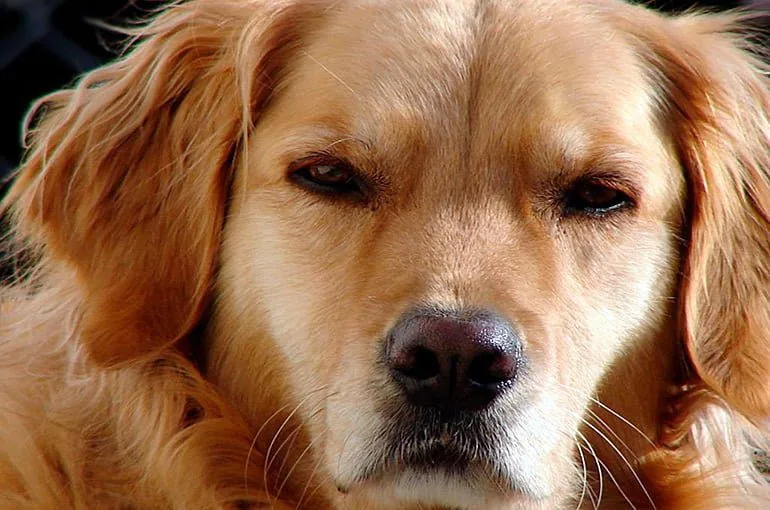
As surprising as it might seem, dogs can also get angry, often at their own humans. They don't use words, but through their tail movements, ears, and other forms of nonverbal language, they can let us know they're upset.
If you want to know the signs of an angry dog, don't miss this fantastic article we've put together for you at SoyunPerro. Ready to find out if your dog is upset? Let's dive in!
Reasons Why Dogs Get Angry
Like humans, dogs can feel and show different emotions, even if we're often unable to understand them. The reasons they get angry are quite different from ours, so never rule out that your dog might be upset with you.
These are some of the reasons dogs get angry:
- Forcing them to do things they don't want to do.
- Humiliating them with costumes or similar things.
- Scolding them excessively.
- Physically or psychologically mistreating them.
- Not letting them release their energy (not walking them or not exercising with them).
- Ignoring them.
- Paying more attention to another dog or cat in the household than to them.
- Using non-recommended tools like a shock collar.
- Stressing them out.
As you can see, there are several causes that can really upset your dog, sometimes even drastically changing its behavior (for the worse).
Signs of Anger in Dogs
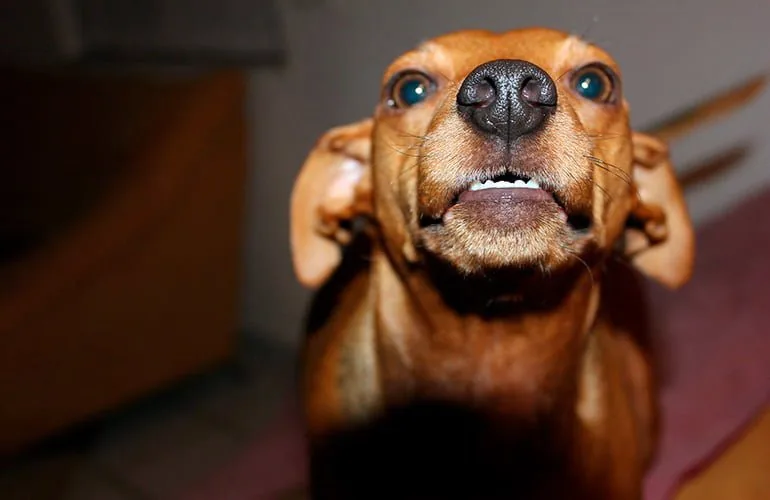
How do you know when a dog is angry? Is it easy to tell? If we know how to observe our dog, we'll quickly notice when something isn't right. That said, there are some clearly identifiable signs that show a dog is upset.
We'll know our dog is upset when:
- It won't look us in the eyes: Just like an angry human ignores us, dogs do the same — brushing us off and avoiding eye contact.
- It yawns constantly: Did you think yawning was a sign of sleepiness or boredom? Wrong. Excessive yawning is a sign of stress, anxiety, and likely anger.
- Its ears are pulled back: If its ears are back and its head is lowered, with its mouth closed and lips tightly pressed, this is definitely a clear sign of anger.
- It licks its lips and mouth often: This is normal when a dog is hungry or has just finished eating, but it's a sign of anger if it happens in another context.
- Tucked tail and stiffness: This is another clear sign of tension and anger in a dog — be careful, since it could turn aggressive.
- Growling and/or whining: Dogs growl when they see a dog they don't like, when we tease them playfully, and also when they're angry. The same goes for whining — it can be a clear sign of anger.
- An angry expression in its eyes: This is the easiest sign to spot, since anger changes the look in its eyes, making them appear filled with resentment.
The key is knowing how to read its body language. Many of these signs, in isolation, aren't necessarily a sign of anger, but taken together or if they repeat, they can be taken as a clear symptom of anger.
Can an Angry Dog Become Aggressive?
Without a doubt, yes. An angry dog might show its anger simply through body language, so we understand its mood. It could also start showing destructive behavior, breaking its toys or things around the house. And lastly, it's also possible for it to become aggressive, even toward its own humans.
Since we don't know our dog's exact level of anger, it's impossible to predict its reaction. So the safest approach is to let it calm down and not bother it while it's still upset. If we notice clear signs of aggression, we should avoid contact with it, since it could attack us.
How to Calm an Angry Dog Down
Obviously, we'll need to know the reasons behind our dog's anger, since if we've mistreated it, this isn't something we can fix in a few hours, or even a few days... it'll take a lot of positive therapy for it to move past.
If our dog is angry due to excess stress, there's nothing like going on long walks, giving it affection, letting it play with other dogs, and so on. All the positive energy these actions bring will make our dog stop being angry in no time.
If its anger is minor, try petting it and scratching its belly a little. They generally feel really good this way and forget any anger. Now that you know how to tell when a dog is angry, simply take steps to prevent it from happening again.
IMPORTANT: This article is for informational purposes only and does not constitute veterinary, nutritional or behavioural advice. Every dog is different, and only your trusted vet can advise you on its specific needs.