 Training
How to Prevent Ball Obsession in My Dog?
Have you noticed that, after playing with your dog, they whimper and won't move from the spot where you've put their ball away? Are they searching for it all day, and won't let go once they have it? If so, your friend probably has a ball obsession.
Playing with our pets is healthy and harmless, and helps us bond with our dog and give them exercise. The problem comes when that play turns into an addiction for them. We'll show you how to stop your dog becoming obsessed with the ball and instead enjoy it. Ready?
Is My Dog Obsessed With the Ball?
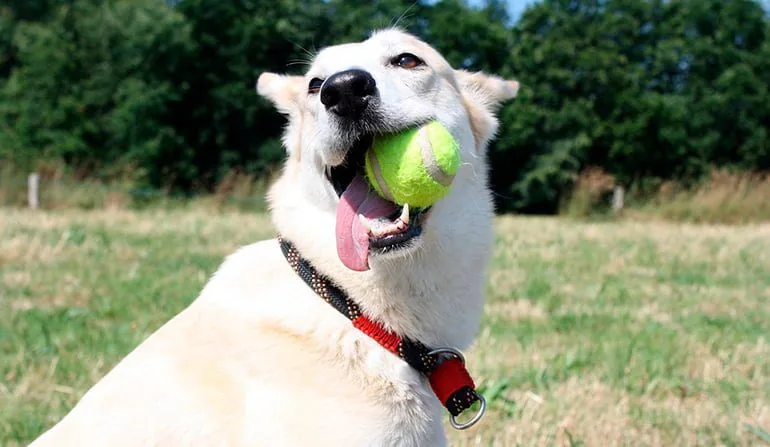
Almost every dog loves playing with their ball. It's a natural trait stemming from their hunting instinct, and it helps keep them fit. Even so, an obsessed dog will constantly demand their owner give them their ball. Something that's no longer so beneficial for them or for you.
Sometimes it can seem funny watching an animal play compulsively with their toy, never satisfied. Even so, a serious problem can hide behind that behaviour, just as it would with a person addicted to alcohol. Not so funny now, is it?
Obsessive behaviour in dogs stops them controlling their own actions and can carry serious consequences both for the pet and for those around them. Your dog's wellbeing and health will be under threat, and living together with them will become difficult.
Symptoms of a Dog Obsessed With the Ball
Some of the signs your dog may show that should warn you of an obsessive problem are:
- They chew and throw the ball or toy compulsively
- They hide it themselves to stop you taking it away
- They won't let go of the ball, or it's very hard to get it out of their mouth
- They fight over the ball
- They show hyperactivity, insisting repeatedly and excessively that you play with them
- They'll cry, bark and whine if you don't
- They only want to play and don't tire however long it goes on
As a result of these symptoms stemming from their obsession, the dog will start showing aggression, overexcitement, stress, a racing heart and anxiety. If all this isn't stopped in time, the dog could even die from collapsing due to excessive exercise.
What Causes Ball Obsession in Dogs?
In certain cases, such as dog breeds bred for hunting or crossbreeds, this exaggerated drive to play with their ball is preceded by the excitement and satisfaction they feel catching their ball, as if it were prey in the wild.
Even so, besides these dogs' predisposition towards hunting, in most cases, obsession with a ball, toy or stick is linked to their training, lifestyle and the routine their owners give them.
A lack of attention, affection and fun can push your furry friend into falling into this obsession. So, whether as a way of getting our attention or as a means of releasing built-up tension, ball addiction can appear because of not enough time spent with them.
Another cause comes from owners reinforcing dogs' excitement during play to tire out and satisfy their dog, so they're calm once home. Even so, this well-meaning behaviour sometimes triggers an obsession that's hard to stop.
So, if the owner notices their dog getting overexcited before, during and after play and does nothing to stop it, but keeps playing instead, they'll be reinforcing that behaviour. The dog will understand that if they keep up that behaviour, their owner will keep throwing the ball again and again.
How to Prevent or Stop Ball Obsession?
To prevent this behaviour, the first thing we need to do is meet their needs and watch for the signs the dog shows during their daily activities. Remember to avoid both their overexcitement and them spending too much time alone and bored.
If your furry friend already shows signs of obsession towards their ball, the best option is always to seek help from a professional, such as an ethologist, dog trainer or vet. They'll show you the steps and techniques to help you stop that obsession.
The best approach in these cases is always taking the ball away from the addicted dog for a while until they regain their mental balance (at least a month). This period is tricky, since the dog will insist in every possible way to get their toy back.
If you're at this stage, be patient and consistent. It's true this measure can seem drastic and cruel, but when play turns into obsession, it stops being beneficial and becomes a threat, and your furry friend is at that point.
What's more, you need to reward your dog with other entertainment that motivates and stimulates them both mentally and physically. Going out for a run with them to burn off energy, offering them intelligence or interactive games, working on their senses, socialising and so on.
If you manage to be patient and not give in to their pleas for the ball, there'll come a point where these signs of anxiety and stress start to drop. Even so, we should warn you that reaching this point will be very hard for them and for you, but it's the best thing for both of you.
How to Prevent a Relapse?
Once you've managed to remove the obsession and the dog stays calm for several weeks, you can gradually reintroduce the ball game, always at specific times, such as at the park, and for short periods.
Don't let the dog become obsessed with the toy again — practise self-control with them. Constantly watch their emotional state, and if you see them overexcited or anxious, take the ball away and stop playing.
IMPORTANT: This article is for informational purposes only and does not constitute veterinary, nutritional or behavioural advice. Every dog is different, and only your trusted vet can advise you on its specific needs.