 Training
How to Prevent Fear of the Vet
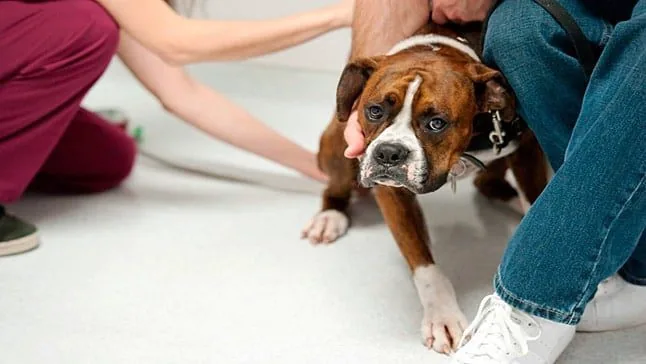
It's entirely normal for a dog to be afraid of the vet, since when they go for a visit it's usually to do something that ends up hurting, such as getting a vaccine, treating a wound, or having a check-up where they probably feel fairly uncomfortable.
Here at SoyUnPerro we want to teach you how to help your dog, so their vet visits become far more bearable, with these simple guidelines anyone can put into practice.
Tips for Eliminating Fear of the Vet
Obviously, we won't get our dog to lose their fears with a few simple words or gestures — we need to put a series of very simple pieces of advice into practice that will help them overcome their panic easily.
To do this, it's essential that we, as owners, stay very calm at all times and don't lose patience with our dog — by following these guidelines, they'll gradually lose their fear…
Visit the Vet More Often
Don't worry, you don't have to pay for every visit you make… simply go for a visit lasting roughly two or three minutes and leave. Talk to the vet so that, whenever you visit, they always give your dog a treat and a bit of fuss.
With this we're aiming to link the vet visit with a positive memory — going often with nothing done to them, just a visit, and getting a reward too, is something genuinely good your dog won't forget.
This way, when they go for something real, such as a vaccine or a check-up, they'll think it's just a visit and simply wait for their reward. This is known as training with positive reinforcement.
Let Your Dog Burn Off Their Energy Before the Visit
When a dog is afraid of the vet, they tend to turn their energy into anxiety, simply because they don't want to be there. If we give our dog a good long walk before their vet visit, we'll help them burn off that excess energy.
Even doing a bit of exercise with them, or taking them to a dog park to play with other dogs, will burn off a good part of their energy, and as a result, they'll suffer less stress.
Avoid Being Nervous, and Use Positive Reinforcement
Dogs have a sixth sense and can easily pick up on our mood; if they sense we're nervous, they'll think something bad is happening, and they'll get nervous too.
That's why we need to be entirely calm and stress-free at the vet visit, stroking our dog and conveying calm to them if we see they're getting a bit worked up. Watch out, though — we need to use positive reinforcement for this.
A bad example is stroking our dog when they're nervous, scared or trembling… because they'll think we're rewarding them for being like that. A good example is asking them to sit, lie down, get up… and stroking and rewarding them for that, so they'll think it's because they did the exercises well, and we'll also keep their mind occupied.
Be Careful With Routines — Avoid Them
It's very common to take the car when going to the vet; our dog remembers this, and will know that if we take the car, it's because it's time to go to the vet, something that scares them a great deal.
That's why it's advisable to avoid this kind of routine and go to the vet clinic on a calm walk with our dog instead. Failing that, if we can't because it's far away, we should get the dog used to going by car not just to the vet, but to more places, such as the dog park or the countryside.
Try to book vet appointments at different times — don't always go at the same time in the afternoon or morning, because your dog will remember it; they have far more memory than we think.
Use Your Imagination to Distract Their Attention
Dogs are very intelligent, but also very easy to manipulate — we can stop them focusing their attention on the terror of the vet, and try to focus it instead on something more fun, such as a game or a scent.
Bringing a toy to the appointment to play with our dog while we wait is a good idea, and so is bringing some food, such as treats or a special chew bone for dogs.
If we keep our dog distracted, we'll considerably reduce their stress and panic about the vet. It might seem absurd, but it's very effective for calming a dog.
Human Contact Matters a Great Deal
Although it might sound a bit strange, if we get our dog used to being handled, it'll be far simpler for the vet to carry out the recommended check-ups.
Giving our dog massages daily is an excellent idea for getting them used to being touched, and even once they're already comfortable with it, we can ask a friend or another family member to do it too, so they get used to being touched by different people.
When we go to the vet appointment, we should talk to them and explain our dog is scared. We should tell the vet that, as far as possible, we want to stay right by them at all times.
If our dog sees us next to them, calm and being silly with them… they'll relax and lose some of their fear. They trust us, and we can help them overcome their fears.
IMPORTANT: This article is for informational purposes only and does not constitute veterinary, nutritional or behavioural advice. Every dog is different, and only your trusted vet can advise you on its specific needs.