 Care
Care
How to Remove Tartar From My Dog
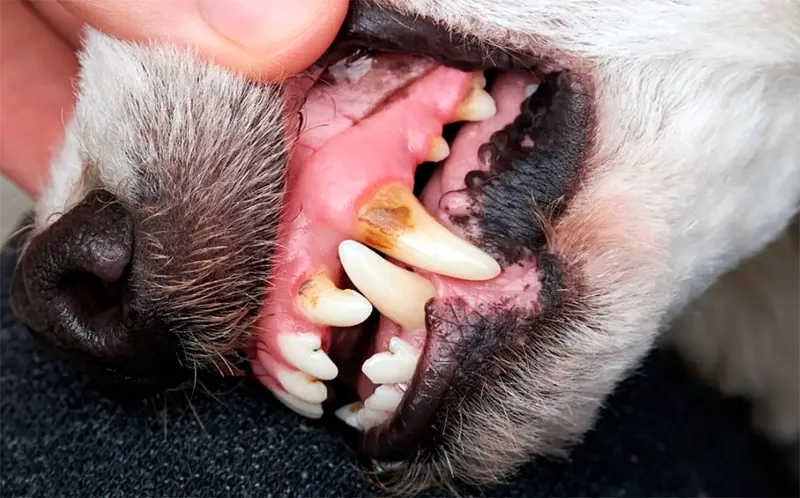
If you've made it this far, it's because you've seen tartar in your dog's mouth, those small brown spots full of bacteria that build up on their teeth and, if not cleaned, will cause infections.
If you want to know how to prevent tartar on your dog's teeth or how to remove it if it's already appeared, give us a couple minutes and we'll show you the best tips and practices.
What Is Tartar?
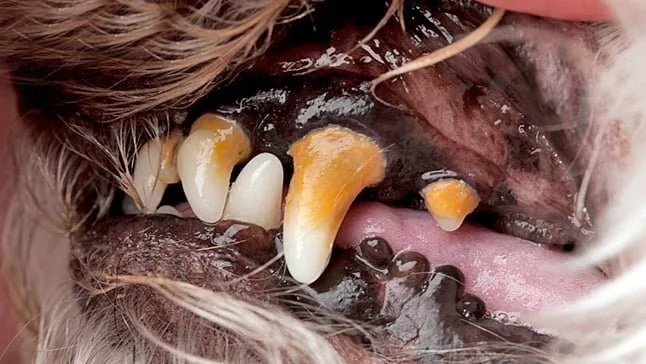
According to Wikipedia, tartar is the buildup of mineralized bacterial plaque on the teeth. We know tartar as that yellowish-brown plaque or stain that forms on our dogs' teeth, starting near the gums and progressively advancing.
How Does Tartar Form?
If you looked under a microscope at your dog's tooth surface, tongue, and saliva, you could see the amount of bacteria making up its natural flora. A lack of dental hygiene causes these bacteria to build up, along with food residue on the teeth and shed epithelial cells, resulting in dental tartar.
If your pet is still a puppy, it would be very beneficial to get it used to regular teeth cleaning, so you can use some of the natural remedies we mention below.
If your dog is an adult with a certain amount of dental tartar, you should first see your vet, who will give it a deep cleaning and recommend some products that slow tartar's appearance. I'm sure your pet's teeth will look like they did when it was a puppy! Now you can apply natural remedies too.
Can Tartar Be Removed Naturally?
As long as our dog's mouth is in good condition and the tartar hasn't caused any infection, we can try removing it naturally with a series of good practices. Remember not to scrape the tooth's surface, since you could make it porous, and this, instead of helping, predisposes it to more bacterial plaque sticking to it in the future.
It's also important to choose a brush suited for dogs, or finger brushes for this purpose. Here we bring you some products that have proven useful for systematic oral hygiene, but note, using dog toothpaste is without a doubt the go-to product to use.
- Baking soda: in a large glass of water, dissolve a tablespoon of baking soda, wet the brush with this solution, and this way you can remove buildup. It's important that your pet doesn't swallow excessive amounts of this solution, and that you do the cleaning regularly (4-6 times a week).
- Using probiotics will maintain a balance in the healthy bacteria living in your dog's oral cavity.
- Carrots: this is a perfect treat for cleaning your dog's teeth, since biting them drags away residue on the tooth surface.
- Apple cider vinegar: use it on your pet's brush at cleaning time — you can use this once a week.
- Cleaning our dog's teeth with a brush and special dog toothpaste, after every meal.
- Using natural bone chews, such as "deer antlers." All these products will clean tartar off our dog's teeth within a few weeks, gradually and without needing veterinary treatment.
How to Remove Tartar in Dogs Quickly?
If tartar has already affected our dog's mouth causing an infection, or it's simply so extensive its teeth are barely visible, the best option is to put it in a vet's hands.
The vet will sedate our dog to keep it asleep, and meanwhile perform a professional cleaning of its mouth, like the one dentists do for us humans. When the dog wakes up, its mouth will be clean and tartar-free. So put the previous tips into practice and don't let tartar harm your dog's health again.
Prevention Tips
The only healthy way to prevent tartar in a dog is either by regularly cleaning its teeth or feeding it natural dog food, colloquially known as the BARF diet.
Bone chews like deer antler and some meaty bones now and then will keep its teeth white and free of bacterial plaque.
Remember that excess tartar can cause significant infections in a dog's mouth and a lot, a lot of pain. Don't let your dog suffer over something as trivial as tartar.
IMPORTANT: This article is for informational purposes only and does not constitute veterinary, nutritional or behavioural advice. Every dog is different, and only your trusted vet can advise you on its specific needs.