 Care
Care
How to Travel Safely With a Dog
Time to plan a vacation arrives, and what happens with the dog? Depending on the chosen destination, we'll need to look for a good dog daycare where it's well cared for, or leave it in the care of a responsible friend or family member.
But our personal advice is to enjoy the vacation with it — that is, travel all together as a family. Even if that means choosing a closer destination, or one that explicitly allows traveling with a dog.
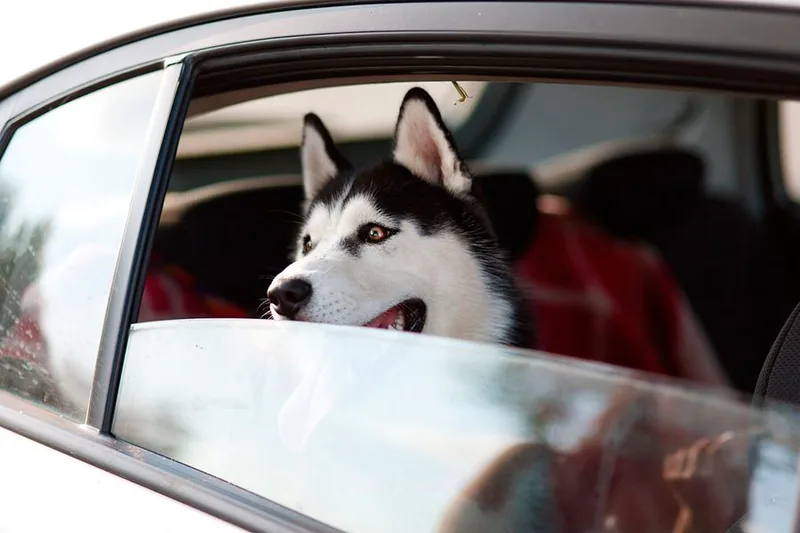
Traveling With Our Dog by Car
Although some people think it's complicated to travel with a dog in a car, the truth is it's quite simple, as well as comfortable compared to other options. We need to make a few simple preparations and the trip will be very calm both for the dog and for us.
The first thing we need to do is prepare the dog — there are dogs that have never gotten in a car, and others that are simply terrified of it. We should go out for drives with our dog every so often. A trip around the block will be enough — we just want them to get used to the car and its movement. If your dog doesn't want to get in the car because it gets very nervous or panics, don't worry, there's a solution for everything.
When we're preparing the trip, we need to leave a good space in the car where our furry friend can be comfortable — it needs to lie down and move around without any trouble, or it will sit there very stressed. We can put a blanket or a dog mat down so it can lie down and travel comfortably, even sleep for a while.
Some trips are very long and the sun is strong, so we need to choose a spot in the car where our dog won't overheat — it needs to be comfortable and cool, which is essential. Otherwise it could suffer heatstroke with terrible consequences.
So we can drive calmly, we need to make sure the dog can't invade our space. We should tie it with the leash or with a special dog seatbelt, so that even if it wants to come toward our seat, it can't. This way we can drive calmly and safely, avoiding any possible accident.
Remember to make stops every two or three hours so our pup can get out and walk a bit, stretch its legs, drink some fresh water, or relieve itself.
Can I Fly With My Dog?
If our trip is by plane, we need to be prepared so our pet can travel as comfortably as possible. I can tell you with complete confidence that a plane trip can be a bit traumatic for a dog, not because of the plane itself, but because it has to travel in a special dog crate in the cargo hold, alone or with other animals. Its owner won't be there to tell it everything's fine, so it will get scared and have a rough trip.
It's important for our dog to have relieved itself before boarding the plane — peeing, pooping, or stretching its legs a bit is essential for a good flight. Obviously, if it's sedated, it won't move around much, so the walk can be optional or done before sedation.
Depending on our pup's size, we may be allowed to have it with us in the cabin. Many small dogs and cats can fly alongside passengers without any problem — check with your airline.
How to Travel With a Dog by Boat
Boat trips are very similar to plane trips. In most cases pets need to travel separately, in some cargo area set up for that purpose. Other times, depending on the vessel, the route, and the company, smaller pets are allowed to travel with their owners in cabins on deck.
Dogs get very seasick on boats if they're not used to traveling on them, so it's best not to feed them breakfast on the day of the trip. This way we'll avoid unnecessary seasickness and vomiting — it's simply a precaution.
On private boats and small vessels, dogs often travel with no trouble at all — they might get seasick on the first trip, but they'll surely quickly develop a taste for feeling the air and the waves on their face. Many dog breeds have a great time in the water and on boats.
Practical Tips for Traveling With Our Pup
Remember that on every trip we need to carry our pet's vet record (nowadays, a canine passport) — this is mandatory in many countries to check that dogs are vaccinated and aren't carrying diseases. Some places require the rabies vaccine every year and others every two years — find out what the rules are at your destination so you don't get fined for not being up to date.
Bring extra food — it's always advisable to bring extra food for our pet, in case something unexpected comes up or we decide to stay on vacation a few extra days. Its favorite toys, its bed, its water bowl and food bowl should also come along on the trip — it will feel much better.
Remember your dog has its own needs — don't take it somewhere too hot or too cold where it won't be comfortable. Place its bed near yours at bedtime so it doesn't feel like it's in a strange place. Enjoy every moment with it — take it to the beach or the mountains and you'll see how much fun it has.
IMPORTANT: This article is for informational purposes only and does not constitute veterinary, nutritional or behavioural advice. Every dog is different, and only your trusted vet can advise you on its specific needs.