 Care
Care
How to Tell If My Dog Is Suffering From Heatstroke
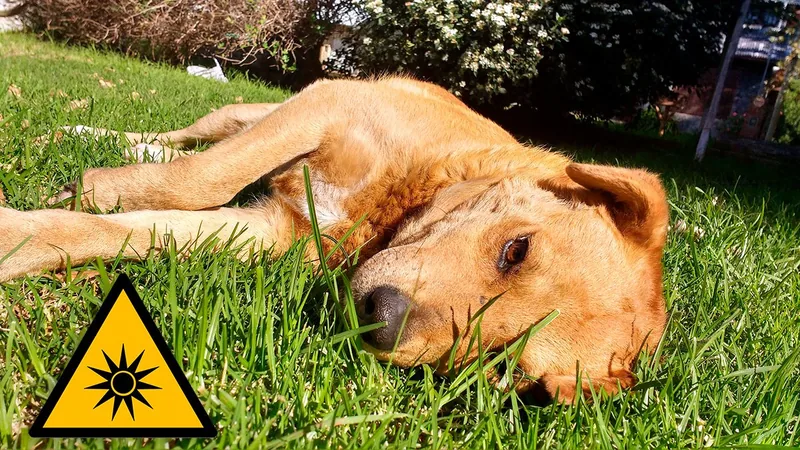
Heatstroke in dogs is a veterinary emergency. Treating it immediately is the only way to give the dog a chance at survival. And it doesn't always work. Dogs don't have developed sweat glands, so they pant instead. Sometimes that's not enough.
As a result, in certain hot conditions, and especially in brachycephalic breeds, dogs can suffer the dreaded heatstroke. This involves a dangerous rise in body temperature that can turn fatal. Let's take a detailed look at what causes it and how to respond.
What Is Heatstroke?
To understand how dangerous heatstroke is for dogs, we need to know how they regulate their body temperature. Dogs don't sweat, since they don't have developed glands for that purpose, so they have a harder time than us cooling down when it's very hot. Dogs rely on panting to regulate their body temperature.
When their body temperature and the outside temperature are very close, a serious problem can develop, since panting won't be enough to regulate and cool them down. In these situations, it becomes impossible for their temperature to drop.
On the contrary, if it keeps rising, what's known as heatstroke, or collapse and shock, will occur. This is an emergency, since an elevated temperature is incompatible with life. Hence the urgency of quickly bringing it down and stabilizing the affected dog.
Risk Situations for Heatstroke
Although any dog can suffer heatstroke, certain physical conditions increase the risk, as do certain situations. Sometimes several of these need to occur at once for heatstroke to happen. We'd highlight the following:
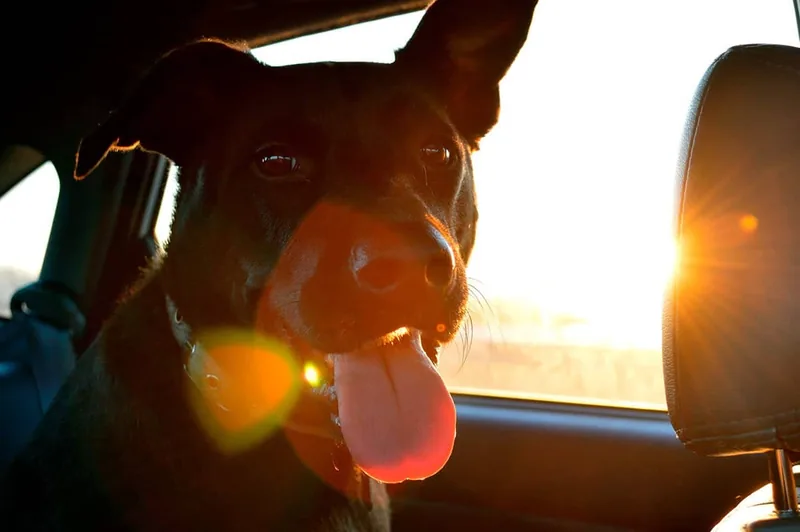
- Leaving the dog inside a car when it's hot out or during summer.
- Doing intense exercise in high temperatures.
- Heart or lung conditions that make breathing difficult in hot conditions.
- High fever that we can't manage to bring down.
- No shaded areas available on a hot summer day.
- Brachycephalic breeds, such as the Bulldog, due to their particular anatomical structure. This is, in short, because their airways don't have the diameter or quality needed for proper breathing.
Symptoms of Heatstroke
The symptoms seen in a dog suffering from heatstroke can be more or less severe. In any case, we should always act at the first suspicious sign of this condition, since if we don't remove whatever is causing it, it will most likely worsen, with much greater risks and possible death. The most common are the following:
- Tachypnea and very pronounced panting, trouble breathing.
- Intense red/purple coloring of mucous membranes, later turning cyanotic or blue (from lack of oxygen).
- Thick saliva and/or vomiting.
- Body temperature above 40°C.
- Shock and collapse.
- Seizures.
- Coma and death.
How to Respond to Heatstroke?
Any sign of heatstroke requires a fast response. This is the only chance to save the dog's life. Ideally, we'd take it to the vet right away, but if the vet is far away, we should start treatment ourselves while we make our way there, following these recommendations:
- Act immediately.
- Get the dog out of the hot place it's in, or remove whatever is causing the heat, if possible — this is the first step.
- If possible, move it to an air-conditioned room. Check its temperature and repeat the measurement roughly every ten to fifteen minutes.
- Up to 40°C, the dog may improve just by moving it to a cool place, or applying cold with ice wrapped in a cloth to the armpits and groin (the skin is very thin there, so it works faster).
- At higher temperatures, faster, more intensive treatment is needed.
- Depending on where we are, we can hose it down with water or put it in a tub filled with cold water for a few minutes.
- Once wet, it can be placed in front of a fan — the goal is to reach around 39°C. Once we achieve this, we should start drying the dog.
- Either way, even if the dog seems to have recovered, it's essential to contact the vet to have it examined.
Tips to Prevent Heatstroke
It seems simple to prevent our dog from suffering heatstroke. It would be enough to not expose it to high temperatures. But sometimes we're not aware of dangerous situations. We recommend paying attention to the following:
- Dogs that, due to their characteristics (whether anatomical or linked to an illness), carry a higher risk should stay indoors in a cool environment during the hottest hours. Never leave a dog locked inside a car with the windows up, even if the vehicle is parked in the shade. Even more so in summer.
- Watch out during travel. The environment needs to stay cool, and it's better to use an open metal crate for transport, if applicable. If we use a transport company, we should ask beforehand about the conditions they offer.
- We shouldn't encourage the dog to exercise during the hottest hours. For higher-risk dogs, walks during these hours aren't advised — early morning and late evening are recommended instead.
- The dog should always have good shade available while outdoors.
- Fresh, clean water in sufficient quantity should always be within reach.
- Don't hesitate to call or go to a vet clinic if you suspect this is happening, since avoiding that call or visit, and removing whatever is causing it, can be the difference between life and death for our pet. Animal deaths from this happen every year.
IMPORTANT: This article is for informational purposes only and does not constitute veterinary, nutritional or behavioural advice. Every dog is different, and only your trusted vet can advise you on its specific needs.