 Training
Hugging a Dog — Is It a Good Idea?
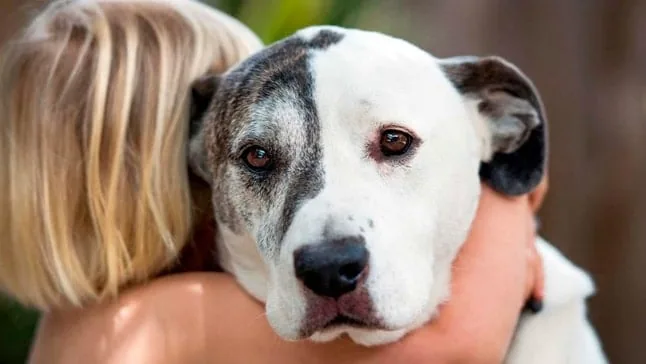
Despite what we tend to believe, the vast majority of dogs don't like being hugged — for them it's an uncomfortable, unpleasant situation that often causes them stress and, in the worst cases, triggers their warning signals and they may bite.
Let's look at the clear signs of why dogs shouldn't be hugged, how to interpret canine body language, and how to show them our affection without hugging.
Signs That Show Discomfort During a Hug
Dogs aren't people, so we shouldn't humanise them with habits that can even bother them, such as hugs. They use their own canine body language to tell us they're not comfortable, though we tend to overlook it.
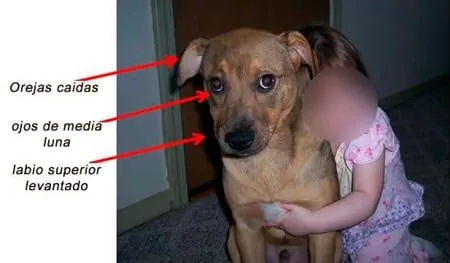
These are the clearest signs showing a dog isn't comfortable during a hug
- They lower their ears, in a submissive posture.
- They turn their head away.
- Their eyes take on a "half-moon" shape.
- They lift or move a paw.
- They try to slip away.
- They slightly lift the corner of their lip or show their teeth.
- They stick out their tongue or lick their lips or muzzle.
You might not notice these signals because you're the one hugging them and can't see them, but your dog will without doubt show one or more of the signs listed.
Can a Dog Being Hugged Bite?
Most dogs feel very uncomfortable being hugged, surrounded by our arms, and even more so when we bring our head close to theirs. In canine language it's actually a sign of a challenge.
If it's our own dog, they'll probably do nothing to us, since they respect us as family or are afraid of being told off if they do something. But if a stranger hugs them, they'll most likely bare their teeth or even snap a bite.
Children are the most unaware in this respect, mainly because of poor guidance from their parents. They innocently try to hug dogs as if they were cuddly toys, with no idea of the huge risk they're taking.
Most dog attacks on children happen precisely because the children approach them abruptly or try to hug them, pick them up and so on… something you should never do. If you want to show a dog affection, you need to do it the right way.
How to Show a Dog Affection
Simply not hugging a dog is already a very positive step for them, since you'll avoid putting them in an awkward situation that causes them anxiety and stress. Starting from understanding that dogs aren't humans, let's follow these steps so your dog knows you love them.
- Approach your dog calmly, slowly and in a way they can see you.
- If your dog isn't aggressive, sit next to them and wait quietly for a few minutes.
- Let them sniff you, come to you, or even lie on top of you.
- Slowly and gently, stroke their back or the lower part of their neck (chest-neck area).
- Encourage them verbally with praise, without exciting them, using a soft, calm voice.
It's very simple to show a dog you're fond of them, though strokes are just that — strokes. If the dog sees you take them for a walk daily, exercise, feed them when they should be fed, and treat them with respect, they'll know full well that you love them.
IMPORTANT: This article is for informational purposes only and does not constitute veterinary, nutritional or behavioural advice. Every dog is different, and only your trusted vet can advise you on its specific needs.