 Care
Care
Hypothyroidism in Dogs
The thyroid gland is located ventral to the trachea. The thyroid hormones it secretes are T4 and T3. Their secretion, in turn, depends on the secretion of hormones produced by the pituitary (TSH) and hypothalamus (TRH).
Hypothyroidism occurs due to a decrease in thyroid hormone activity, mentioned above. At Soyunperro, we'll explain the causes, as well as symptoms, diagnosis, and treatment. Let's get to it.
What Causes Hypothyroidism?
There are several types of hypothyroidism. Primary hypothyroidism occurs from a decrease in thyroid hormones as a result of insufficient production in the thyroid gland (95% of cases according to Feldman and Nelson, 1996).
This can be congenital (a birth defect in the thyroid gland) or acquired (progressive degeneration of the thyroid gland, which can appear from two months of age onward and is the most common type). The acquired type will therefore have several causes: immune-mediated destruction of the gland, idiopathic atrophy, or a tumor.
There's also a less common secondary hypothyroidism, due to dysfunction of the pituitary gland and its TSH secretion (primary precursor). The tertiary type is due to a deficiency in hypothalamic TRH production (original precursor). We'll focus on the primary, acquired type, since it accounts for more than 90% of hypothyroidism types and origins.

Which Dogs Get Hypothyroidism?
So, it will be more likely in middle-aged to older dogs, 4 to 10 years old, normally purebred. This is especially common in: Golden Retriever, Doberman, Setter, Miniature Schnauzer, Dachshund, Cocker Spaniel, Labrador, Boxer, and Great Dane.
Symptoms of Hypothyroidism in Dogs
This is a multisystemic disorder resulting from inadequate thyroid hormone secretion, which leads to a decrease in cellular metabolism. So, symptoms will vary widely, since thyroid hormones act on most cells in the body. It's a slow, progressive disease.
Skin changes will vary depending on breed and how chronic the condition is. However, hypothyroidism is characterized by changes in the skin and coat (alopecia) that present bilaterally and symmetrically. Poor hair growth is noticeable, since its cycle slows down. It sometimes affects the tail (rat tail).
Other symptoms such as the following:
- Hyperkeratosis (dry, thickened, inflamed, darkened skin).
- Dry fur that breaks and falls out easily.
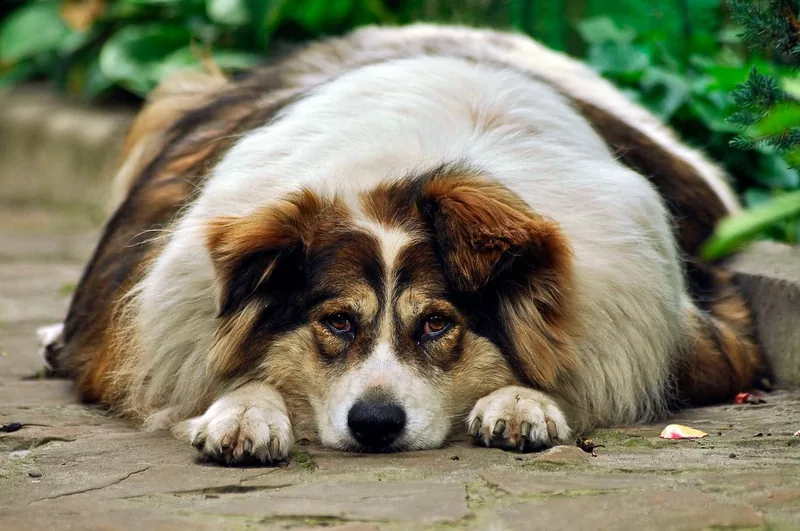
- Drooping upper eyelids. Weight gain.
- Bradycardia (decreased heart rate).
- Infertility in females. Lack of libido in males and testicular atrophy.
- Lethargy. Weakness. Non-regenerative anemia. Exercise intolerance.
How Is Hypothyroidism Diagnosed?
Symptoms like the ones described can make us suspect our dog has hypothyroidism. The vet needs to base their assessment on the medical history, a general physical exam, the clinical picture, as well as bloodwork and hormone tests consistent with this condition.
In bloodwork, we'll observe non-regenerative anemia, an increase in platelet count, and hypercholesterolemia (among other possible disturbances). However, to confirm or rule out the disease, a blood sample is taken to measure total T4.
If total T4 levels are normal or elevated, a diagnosis of hypothyroidism is practically ruled out. If they're low, it serves as a diagnostic approximation, but this would need to be confirmed through other tests such as: free T4 and TSH.
The problem is that a lower-than-normal total T4 level doesn't always mean the dog is hypothyroid. Because of this, it's recommended to turn to more specific tests. If both free T4 and total T4 are low, this confirms the diagnosis of hypothyroidism.
How Is Hypothyroidism Treated?
Hypothyroidism is a chronic disease that can be controlled by giving T4 to the dog every day, since treatment is lifelong. The dose needed at first depends on the dog's weight.
Afterward, it's gradually adjusted, for which it's essential to regularly measure T4, more frequently at the start of treatment. This medication usually manages to resolve the symptoms.
Of course, to achieve this, we need to strictly follow the vet's instructions regarding follow-up treatment guidelines. This way, the long-term prognosis is good in cases of primary hypothyroidism, since these dogs usually respond well to treatment. In the congenital type, the prognosis is guarded.
IMPORTANT: This article is for informational purposes only and does not constitute veterinary, nutritional or behavioural advice. Every dog is different, and only your trusted vet can advise you on its specific needs.