 Care
Care
Hair Loss and Bald Spots in Dogs
Dogs are covered in a thick coat of fur that naturally sheds twice a year, coinciding with the change of seasons (spring and fall). However, there are many other reasons a dog might lose fur, from allergies to serious diseases.
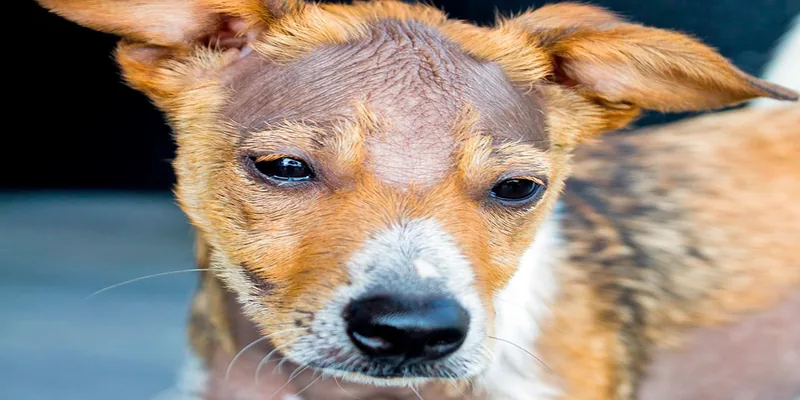
Excessive, abnormal hair loss that leaves "bald spots" is called alopecia, which can be generalized (present all over the body, or over large areas like the trunk), focal (affecting one or two specific spots on the animal), or multifocal (affecting several small- to medium-sized areas).
We'll explain the main reasons a dog sheds fur, sometimes even in clumps, and possible solutions. By knowing the root of the problem, we can find a fix and keep them from losing so much fur.
Hair loss in dogs from natural shedding
Except for a small group of breeds that, due to genetic selection, don't shed, the vast majority of dogs shed their coat at least a couple of times a year. It's completely normal for a dog to shed fur in spring and fall, which is when the weather changes.
In spring, dogs shed the thick, woolly fur that protects them from the cold in winter, while in fall they shed the finer fur suited to warmer times of year. However, dogs living in homes with heating in winter and air conditioning in summer spend almost the whole year shedding, though it's most intense in spring and fall.
My dog is losing fur from stress or illness
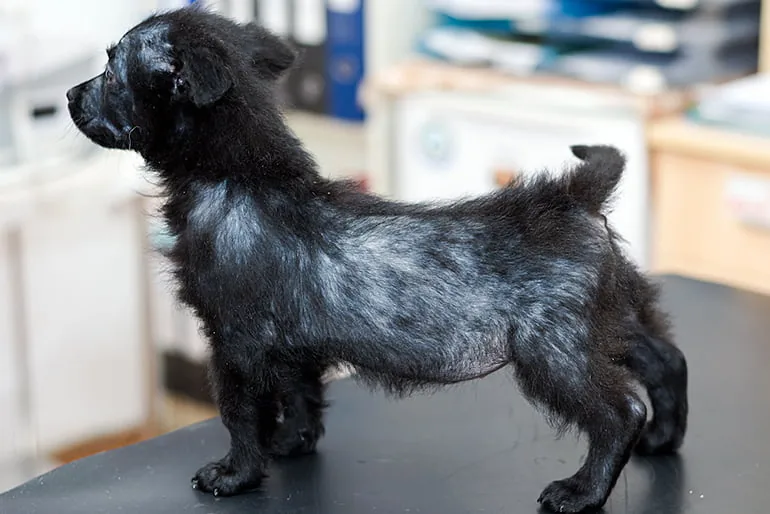
It may seem strange, but dogs can also lose a lot of fur due to stress. Abuse, lack of affection or care, not being taken for daily walks or exercise, or even simply being left alone at home, can cause them a lot of stress (a clear example being separation anxiety in dogs).
Besides stress, there are various diseases that can cause alopecia in dogs, such as endocrine disorders, generally due to abnormal function of the glands or organs that produce these hormones, such as the thyroid (hypothyroidism or hyperthyroidism) or the adrenal glands (Cushing's syndrome or Addison's disease). It can also be caused by certain infections affecting the skin, whether from mites (mange), fungi (dermatophytosis, "ringworm," or Malassezia), bacteria (Staphylococcus sp.), or protozoa (leishmaniasis).
In the first case, alopecia caused by endocrine diseases is typically located on the trunk (it usually doesn't affect other areas like the head and limbs), and is bilateral (on both sides of the animal). In the second case, skin infections are usually linked to itching and the presence of pustules, though not always.
Hair loss in dogs from allergies
Allergies are also a significant cause of alopecia in dogs, and although food allergies are the main type, there are also allergies to external factors such as pollution, pollen, or even certain plants or mites.
With allergies, other symptoms usually appear alongside the hair loss, such as redness of the paws (pads) and/or ears, rashes appearing on the body, and itching, which can cause skin lesions from the dog constantly scratching or licking the area.
In the case of a food allergy, sometimes simply changing the diet is enough to see quick improvement and resolve the alopecia. In other cases, such as allergic dermatitis, it may be necessary to see a vet for periodic corticosteroid treatment, to reduce inflammation.
It's worth noting that, generally speaking, giving these medications only relieves symptoms and doesn't address the underlying cause. What's more, ongoing corticosteroid use has the side effect of suppressing the immune system, which can lead to secondary infections from "opportunistic" pathogens — ones that occur naturally on our pet's skin but don't usually cause problems under normal conditions.
Another common cause of allergic dermatitis with alopecia is flea allergy dermatitis (FAD), which is why it's very important to keep our pet consistently treated against parasites using flea and tick collars and spot-on treatments.
Bald spots on the neck, back, and/or armpits from hair loss
It may surprise you, but in most cases where a dog has alopecia on the neck or armpit area, the cause tends to be the collar or harness. When a collar or harness isn't fitted properly or isn't suited to that particular dog, it causes constant chafing that ends up leaving small bald patches.
These bald patches in the dog's fur will keep growing and causing redness on their skin. Applying a moisturizing cream or disinfecting the area isn't enough — it's absolutely necessary to swap that collar or harness for a more comfortable one for the dog.
Try to always avoid choke collars or leashes, since these are the most likely to cause this kind of problem, as are harnesses with straps or bands that pass through the dog's armpit area.
How to prevent my dog from losing fur
To fix excessive hair loss in our dog, we first need to identify the cause of the problem. When hair loss in a dog is from natural causes, like seasonal shedding, there's no need to worry — we just need to wait for our dog to finish shedding, though we can help by giving them a diet rich in oils and brushing them daily. With these two tips, the shedding will be less intense and quicker.
If, on the other hand, the cause of this excessive hair loss is stress or anxiety, we should find the source to eliminate the cause of the problem. If the reason for the hair loss is illness, with the help of the treatment prescribed by the vet, we can resolve the problem and encourage new hair growth.
To determine the disease causing this excessive hair loss, various diagnostic techniques can be used, including the following:
- Bloodwork: through a blood count or chemistry panel, we can find an abnormally high white blood cell count, which can point to infectious dermatitis. Also, examining a blood smear under a microscope can reveal the presence of infectious agents like bacteria or Leishmania.
- Cytology: after taking hair or skin samples through a skin scraping or trichogram, we can check for the presence of pathogens, which can point to a parasitic infection (demodectic or sarcoptic mange) or fungal infection (dermatophytosis).
- Biopsy: taking skin tissue samples can help diagnose the disease causing the alopecia.
Lastly, if the hair loss or bald patches are caused by improper use of a collar or harness, simply swapping it for one more suited to our dog will be enough — within a short time, the bald patches will disappear and the fur will keep growing back normally.
IMPORTANT: This article is for informational purposes only and does not constitute veterinary, nutritional or behavioural advice. Every dog is different, and only your trusted vet can advise you on its specific needs.