 Nutrition
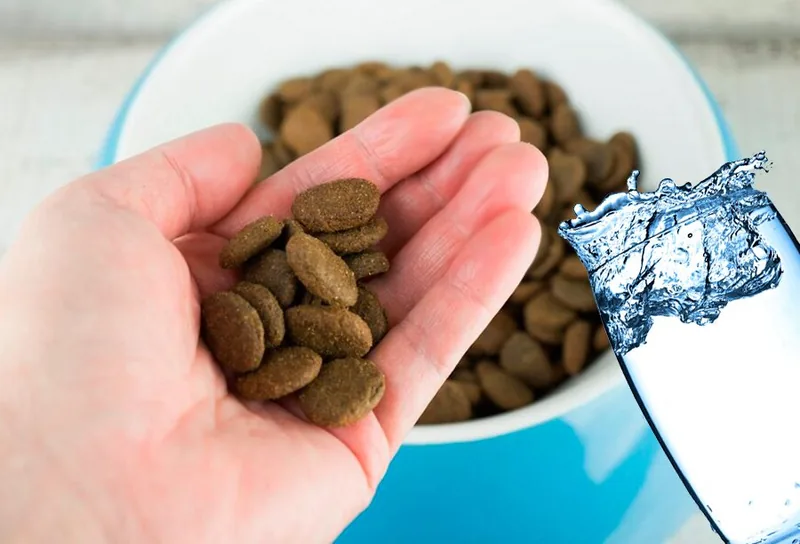
Is It Good to Add Water to Dog Kibble?
Many people think dog kibble is too dry, so they add a bit of water or broth to moisten it and soften it up a little. This makes it easier to eat for many dogs and even a bit tastier.
If you're wondering whether it's good to add water to dog kibble, we'll tell you upfront the answer is yes. But always in moderation to prevent it from turning into soup. And keeping a few tips in mind so your dog's kibble doesn't spoil. We'll explain how to do it.
Can Water or Broth Be Added to Dog Kibble?
Yes, we can add a bit of water or meat/vegetable broth (always with no salt or spices) to our dog's kibble and let it sit a bit to moisten. This makes it much easier for most dogs to eat, and also prevents them from being very thirsty afterward. This is very common when they eat dry kibble unmoistened.
It's also very useful for dogs that have lost interest in their kibble, especially if we still have a lot left in the bag and can't buy a new one in a different flavor. By adding a bit of warm meat or vegetable broth, we'll give the kibble a completely different, appealing taste.
Benefits of Moistening Dog Kibble
We all know what dog pellets are like — extremely dry and often hard, very hard. This makes many dogs with dental problems or wounds/sores in their mouth have a really hard time eating. But this isn't the only benefit of adding water to dog kibble, let's look at all its benefits in detail:
- It doesn't make them as thirsty, preventing dogs from later gulping down a lot of water.
- It's softer, ideal for dogs with dental problems or missing teeth.
- Ideal for puppies transitioning from mother's milk to solid food.
- Beneficial for dogs with gastrointestinal problems, such as diarrhea.
- Intensifies the kibble's flavor, making it more appealing, especially if we use meat broth.
- Increases the feeling of fullness, making the dog satisfied with its ration.
- It's much healthier for its digestion.
As you can see, there are so many benefits to moistening our dog's kibble beforehand that it's odd not to do it regularly.

Drawbacks of Adding Water to Dog Kibble
One of dry kibble's particular features is that it helps clean teeth, preventing plaque buildup. Or so many manufacturers claim, since the truth is dogs that only eat kibble also develop tartar.
Moistened kibble doesn't perform this supposed function, so in theory, it would be more likely for our dog to develop tartar. Though it must be clarified this isn't scientifically proven.
Another drawback is that the dog needs to eat its whole ration — we can't leave kibble moistened with water or broth available all day, since it will end up spoiling.
How to Properly Moisten Our Dog's Kibble
It's important to clarify that what we should moisten is the food ration that's about to be eaten — we should never moisten the whole kibble bag, since it would spoil. The right way to add water or broth to a dog's kibble is to do it about thirty minutes before serving it.
This way the kibble will have time to moisten and absorb the water or broth we've added. You'll see it expand and become quite softer, similar to a kind of mush, sometimes keeping the pellet's shape. This is completely normal, that's how it should be.
For a 150-gram ration of dog kibble, we can use a third of a glass of water or broth. Let it sit thirty minutes and give it to the dog. The water or broth should always be at room temperature or slightly warm, never cold or hot.
It's up to each dog's preference whether we add a bit more or less water, depending on whether it's too soggy or not enough. Each kibble is different, so we need to test during the first few feedings until we find the right amount.
- We add the amount of kibble to the bowl
- We add a bit of water or broth
- We stir and let it sit 30 minutes
- We serve the moistened food to the dog
Avoid letting the food turn into soup or a mush that's hard to eat. Moistening kibble is good, but making it harder to eat isn't such a good idea.
IMPORTANT: This article is for informational purposes only and does not constitute veterinary, nutritional or behavioural advice. Every dog is different, and only your trusted vet can advise you on its specific needs.