 Training
My Dog Bites Me When I Take Something Away From Them
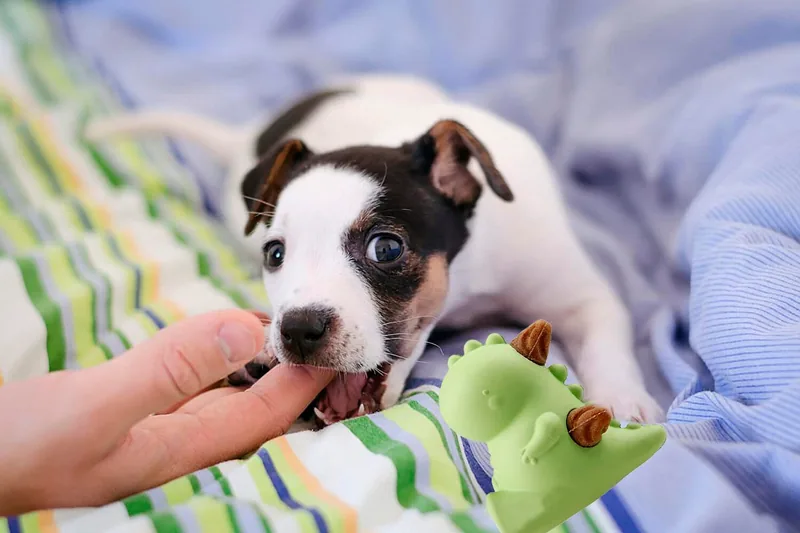
There are several behavioural disruptions our best friends can show throughout their life, and just as many causes that can lie behind these behaviours. Some of these are directly linked to what's known as resource guarding, shown when a dog carries out defensive or offensive actions to avoid being deprived of resources they consider important for their physical and mental wellbeing.
Watching this kind of behaviour in dogs, it's common to ask ourselves questions such as "why does my dog bite me if I take something out of their mouth?" or "why does my dog growl at me when I get close to their food?" If you have these doubts too, we're pleased to tell you that in this article you'll find the answers you're looking for to understand these behaviours, along with some advice for handling them properly. Keep reading and find out!
What Is Resource Guarding, and When Does It Show Up?
Resource guarding shows up when a dog considers a resource so valuable that they can carry out aggressive actions or behaviours to protect it (growling, baring their teeth, or even biting). In fact, this is one of the most common causes of aggression in dogs, so owners need to stay alert to the first signs pointing to their dog becoming possessive.
In this sense, it matters to understand resource guarding can develop not just around objects and food, but also around people and environments (or territories). What's more, the dog's defensive or offensive reaction while trying to protect these resources can be aimed at both people and animals, whether strangers or familiar ones (including their owners).
Because of this, a dog can show protective behaviour when a person, dog or other animal tries to approach their territory, their food, or even their humans or loved ones. Even so, the same behaviours can appear when it's their own owners trying to "deprive" them of their most valuable belongings, such as their food or toys.
Guarding shows up in different species as one of the instinctive mechanisms for ensuring their survival. Even so, this kind of behaviour becomes very dangerous in companion animals, since they can end up seriously hurting other animals and people, mainly children and the elderly. Because of this, in these cases, we're talking about a behavioural problem that does need preventing and properly treated.
My Dog Bites Me if I Take Something Out of Their Mouth — What Should I Do?
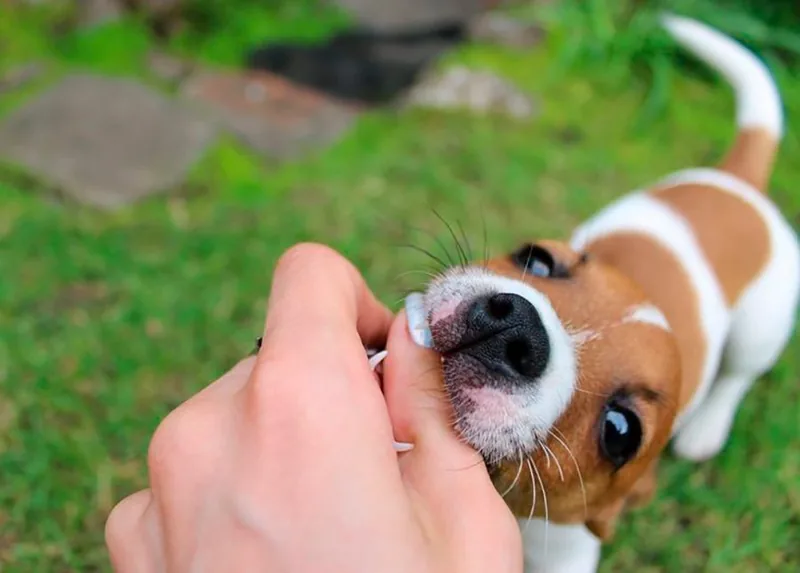
Here we need to tell apart two contexts where we, as owners, need to take action. One is when dogs bite us, and the other has to do with preventive measures to stop this situation happening again. So we'll start by explaining what you should do if your dog bites you when you take something out of their mouth.
The first thing you need to know is that, if your dog growls at you or bites you, under no circumstances should you shut them away, punish them or scold them. These actions are counterproductive, since they increase the stress level, already high in these contexts, and can trigger an even more negative reaction from your furry friend.
So, what we need to do is act as calmly as possible to avoid encouraging a fresh attack and help our dog settle down. Make sure you keep a neutral posture, with no sudden movements, and don't look your dog directly in the eyes. Then, move away slowly and without turning your back on them.
If you need to take away the object 'causing' the dog's attack, ideally wait for their stress to drop, and then you can use treats or another kind of 'reward' to distract the dog's attention away from that object. To do this, you can create a kind of 'trail' by scattering treats along the floor to lead them to another room in the home or an outdoor garden, for example. Once you've managed to redirect their focus of attention, it will be a safe moment to pick up the object in question.
Even so, if we're talking about a more complex situation, one that happens often or with different objects, it's best to seek help from a professional, who'll help you set up the most suitable treatment guidelines for this behavioural problem in your dog. In this sense, ideally you'd turn to a vet specialising in ethology, though a dog trainer or educator can also help you.
How Do I Stop My Dog Biting Me if I Take Something Away From Them?
When we talk about aggressive behaviours linked to resource guarding, the best prevention method involves early training and a proper socialisation process.
Your furry friend's first months of life, while they're still a puppy, are the ideal time to start socialising them, gradually introducing them to different stimuli, animals and people, and also to teach them to drop objects, always offering them a reward in exchange for their good behaviour, which in this case means sharing their resources.
During your dog's socialisation process, besides teaching them to interact positively with other individuals, environments and stimuli, it will also be key to encourage them to learn to ignore certain stimuli so they don't react in an exaggerated way when exposed to them. This is key to preventing, for example, your dog being very afraid of loud noises or reacting negatively to new stimuli, environments or unfamiliar people.
Lastly, it's worth remembering socialisation is essential for dogs to build the confidence and self-control needed to maintain balanced behaviour and develop the obedience we expect from them. The better socialised a dog is, the lower the odds they'll develop behavioural problems and impulsive reactions throughout their life, which includes resource guarding and aggression.
IMPORTANT: This article is for informational purposes only and does not constitute veterinary, nutritional or behavioural advice. Every dog is different, and only your trusted vet can advise you on its specific needs.