 Training
My Dog Growls — What Do I Do?
Whenever we see a pair of dogs playing at the park and one of them growls, owners' reaction is usually immediate, correcting this behaviour by warning the dog — something that actually… isn't right.
Broadly speaking, a dog's growl is simply one more form of communication, of expression, which we shouldn't consider negative or scold them for unless it's a tense situation. Let's explain the reasons your dog growls and when it's necessary to act.
My Dog Growls When We Play
There's a game plenty of humans play with their dog, involving grabbing their toy and winding them up a little so they try to take it from us. Sometimes we'll let them take it so they get their way, and sometimes not, stretching the game out a bit longer.
This game is just one example of when a dog can growl, and this growl doesn't mean anything bad. When we wind our dog up a little, it's normal for them to growl, but they do it with no malice, simply to show us they're a bit frustrated because we're not giving them the toy.
Even so, we shouldn't confuse a harmless growl from a dog playing with us with the warning growl some dogs give when we try to take away something they have, such as a toy or some food.
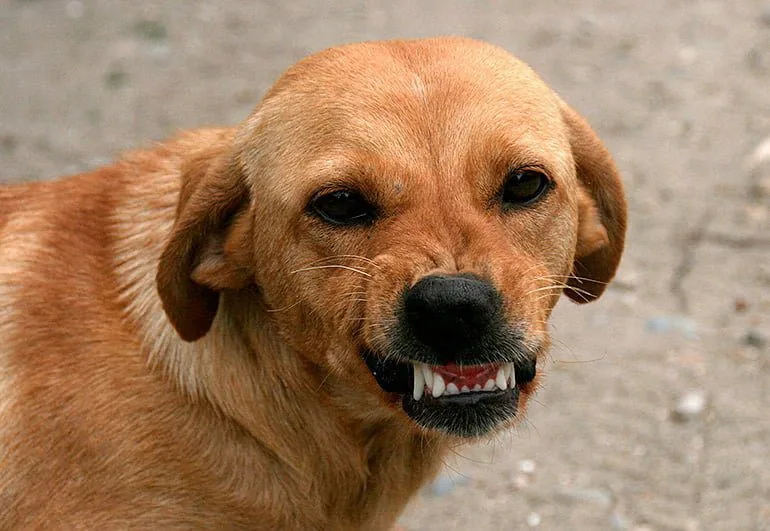
If our dog growls at us when we approach them to take something, we should correct them immediately with a loud, firm "No!" If they growl and bare their teeth as we approach, we should read this as a warning sign. If we carry on that way… we'll end up bitten.
The best approach in this case is scolding the dog, but if they still ignore us, we should move away and let the tension ease. There'll be time later to properly train and lead our dog.
My Dog Growls When They're Happy
Growling is one more means of communication our dog uses to show they're very comfortable, that they're happy, or that they love us cuddling them. This kind of growl is very easy to identify, since it happens alongside signs of happiness in the dog and other signs confirming it, such as our dog's tail wagging.
During that moment when we scratch their belly and they enjoy our strokes, they may growl with nothing bad meant by it at all. It's a show of affection, and a way of letting us know they're having a great time.
Besides growling, some dogs smile showing their teeth while we keep stroking them. We shouldn't read this as a bad sign, since plenty of dogs show their teeth trying to imitate a human smile. They see us doing it when we're happy and try to imitate it.
So, to sum up, if our dog is in a happy state, feeling comfortable and wagging their tail joyfully… if they growl, it's nothing bad at all — quite the opposite.
My Dog Growls at Other Dogs
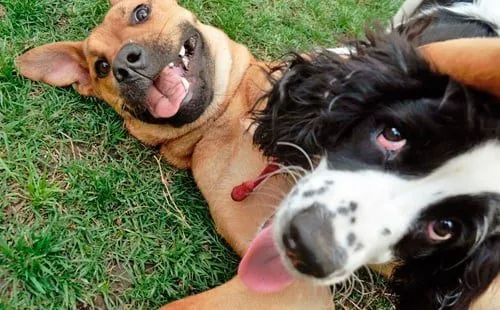
Often it happens that two dogs are playing and one of them gets annoyed for some reason and growls at the other dog. In this situation, it's normal to see the dog's owner scold them, which is a big mistake.
Dogs growl at each other to warn one another — if one dog growls at the other, they're telling them they did something wrong (such as trying to mount them or putting a paw on them).
Two dogs can growl at each other and nothing at all happens — we need to let them sort out the issue themselves. Usually they'll growl and then each go their own way, or keep playing. Some dogs even always play growling, since it's their way of expressing themselves, and that means nothing bad either.
Even so, we need to stay alert, since growling a little is normal and doesn't need action. But if the growling intensifies and both dogs start growling more intensely, we need to act by calling them and separating them to prevent a serious confrontation.
My Dog Growls and Bares Their Teeth
There are situations where it is bad for the dog to growl, such as when the dog is in a stressful or tense situation. We'll notice this very easily, since the dog growls, bares their teeth, barks and/or the fur on their back stands on end. What's more, their tail will stay rigid and raised if they're being provoking, or between their legs if they're panicking.
When this situation happens, we should scold our dog with a loud, firm "No!!", turn around, and stay with our back to them, doing nothing. We shouldn't look at them, shouldn't speak to them, and shouldn't touch them either. We'll simply wait for them to leave, or for them to come towards us, more relaxed and submissive.
Once they come to us, we should assess whether they've relaxed — if so, we'll praise them a little and change the situation, for example by going out for a walk. If they're still tense when they approach us, we should keep ignoring them entirely until they relax.
If a dog we don't know growls at us and bares their teeth, we should never run away, since they'll chase after us to bite us. We should stay still, without looking at them, without speaking to them, and without touching them. The best posture is crossing our arms over our chest and simply waiting for them to relax or leave.
We should never raise our arms, make sudden movements, or run away. We shouldn't even shout — staying calm and following this advice will help us avoid a bite.
My Dog Growls From Fear or Pain
Some dogs growl when something scares them, for example, when they go to the vet and remember they were hurt there once. The fear itself makes them growl to tell us they're not comfortable, that they're scared.
A tail tucked between the legs is usually another sign helping us understand the dog is scared. If they growl and bark, they're likely too scared, and we should wait for them to relax or try to distract them.
When a dog is unwell, for example with a stomach problem, they may growl as an expression of pain. Even if we stroke an area where they feel pain, the dog will growl to tell us we shouldn't touch there because it hurts.
These are examples of growls we should never misinterpret — we shouldn't correct them, since they don't pose a danger, but rather a form of communication.
My Dog Growls at Children
It's possible our dog growls at neighbourhood children, at strangers, or even at our own children. This is a sign we shouldn't let slide — we should always scold our dog when this happens.
Even so, be careful, since it's not the dog's fault. Children are just that — children… they want to play with the dog by touching them everywhere, hugging them, pulling their ears or tail… And the dog is just that, a dog, not a toy. We shouldn't let children take advantage of the dog, or bother them. We need to build a fair balance of respect between the two.
If the dog growls at the child and we don't scold both and separate them, the situation could end with a nasty scare or a bite. We recommend reading: How to train dogs and children.
Never forget dogs protect their family — a situation could arise where a child is playing with your child and accidentally hurts them. If your child screams, cries or shows pain, your dog may go to protect them by biting the other child. Be very careful with these situations, since they're highly delicate.
IMPORTANT: This article is for informational purposes only and does not constitute veterinary, nutritional or behavioural advice. Every dog is different, and only your trusted vet can advise you on its specific needs.