 Training
My Dog Is Afraid of Other Dogs — An Effective Solution
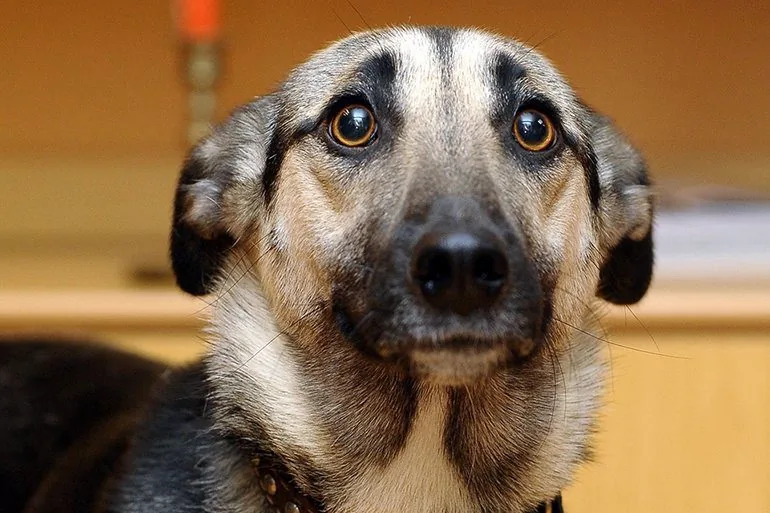
Fear is a natural reaction humans and animals experience, dogs included. Even so, it's striking to notice my dog is afraid of other dogs, since what is it about their fellow dogs that triggers such fear in them? Often, this behaviour is inexplicable to humans.
Before starting solutions to help the dog socialise with their own kind, we need to know what triggers these fear reactions and what their signs are. Do you have a fearful dog? Let's look at what the reasons could be.
Why Is My Dog Afraid of Other Dogs?
In every dog, the socialisation process should start from puppyhood — this way you get them used to interacting with other pets and people from outside the home. Even dogs who've had varied contact can show fear towards members of their own species. The main reasons for this are:
Trauma
Fear resulting from trauma is common in adopted dogs. Perhaps in their previous home they lived with other dogs who intimidated them or stole their food; if you've rescued them from the street, the same situation could apply, especially since dogs in cities have few resources for feeding themselves.
It's even possible that during their puppyhood they didn't come across aggressive dogs, but ones that were too energetic. In these cases, the puppy grows up with the fear they experienced.
Premature Weaning
After birth, the period puppies spend with their mother is crucial for their later development as healthy adults. On top of the nutrients mother's milk provides, the relationship with the mother and littermates is the first socialisation process every puppy goes through.
A puppy can be weaned from eight weeks old, though ideally they should have turned three months before this happens. Otherwise, behavioural disorders such as insecurity, fear and aggression are common.
Insufficient Socialisation
You may well take your dog for walks from puppyhood, but perhaps not to places where they interact with other dogs, or you prefer to stop them playing with bigger dogs for fear they'll get hurt. As they grow, the dog won't know how to interact with their own kind, since they'll find it hard to decode body language and will feel intimidated around other dogs.
Reinforcement at Home
When your dog is afraid of other dogs, do you stroke, carry and pamper them to calm them down? If your answer is yes, you're doing them a great deal of harm without realising it.
Cuddles and strokes are part of the rewards offered as positive reinforcement during training. By comforting them in fearful situations, you're only telling your dog that this behaviour is acceptable and deserves a reward.

Signs of Fear in a Dog
Understanding your dog's body language is essential to know when they're relaxed, nervous or intimidated. Look for the following signs pointing to fear:
- They keep their gaze fixed on the other dog, but lower or tilt their head slightly.
- They tuck their tail and hide it between their back legs.
- They pull their body back, arching their back.
- They freeze.
- They flatten their ears against their head.
- They growl or try to flee.
- They show calming signals (licking their lips, excessive yawning, glancing sideways).
- They take on a submissive posture (lying on the ground, looking with their head tilted and raising a paw towards the other dog).
- Involuntary urination.
How Do I Take Away a Dog's Fear?
A fearful dog is a cause for concern — it's up to you to adopt the necessary solutions to stop them suffering distress, since only this way will they be a healthy, happy companion.
If you've been wondering "what do I do if my dog is afraid of other dogs?", then apply this advice:
Walk Your Dog
You might already be doing this, but avoiding places where other dogs play. To start socialisation, begin walking near areas or parks, but without approaching the dogs. Repeat this every day, watching your dog's reactions to their own kind. As sessions go on, you'll be able to get closer so they feel safe.
Practise Agility
Agility clubs are full of dogs, so it's an excellent environment for them to meet pets of every size and personality. Don't force socialisation — let them approach the dogs who inspire confidence in them until they feel safe enough to interact with others.
Counter-Conditioning
Instead of stroking and calming your dog when they show signs of fear around other animals, distract them and play with them. This way, they'll link the activity they enjoy with the presence of other dogs.
Use Positive Reinforcement
In every positive interaction with other dogs, praise your furry friend with strokes, affectionate words and an edible reward. This way you'll reinforce the idea that spending time with their own kind means something good.
Patience and Consistency
Getting your dog to socialise with other dogs is a process that takes time, consistency and patience. During the first few days they'll seem very insecure — don't despair if they refuse to approach, and don't force them to.
If you don't have the experience to help them overcome their fear, it's advisable to see a professional dog trainer.
IMPORTANT: This article is for informational purposes only and does not constitute veterinary, nutritional or behavioural advice. Every dog is different, and only your trusted vet can advise you on its specific needs.