 Breeds
Common Diseases in Siberian Huskies
Knowing the Siberian Husky's common health conditions is essential if you've just adopted a dog of this breed. Although Siberians tend to be sturdy companions who love outdoor activities, they have a genetic predisposition to certain ailments.
Looking after your dog's health is essential for maintaining their quality of life, which is why you need to know which conditions could affect them and recognize their symptoms.
Skin Conditions in the Siberian Husky
Among the most common conditions in Siberian Husky dogs are certain skin disorders. These include:
Zinc Deficiency
This is a genetic condition that prevents the Husky from absorbing zinc from their food. There's no cure, and it must be diagnosed by a vet through a biopsy. Symptoms include:
- Itching
- Hair loss
- Bald patches
- Sores on the genitals, muzzle, and legs
Nasal Dermatitis
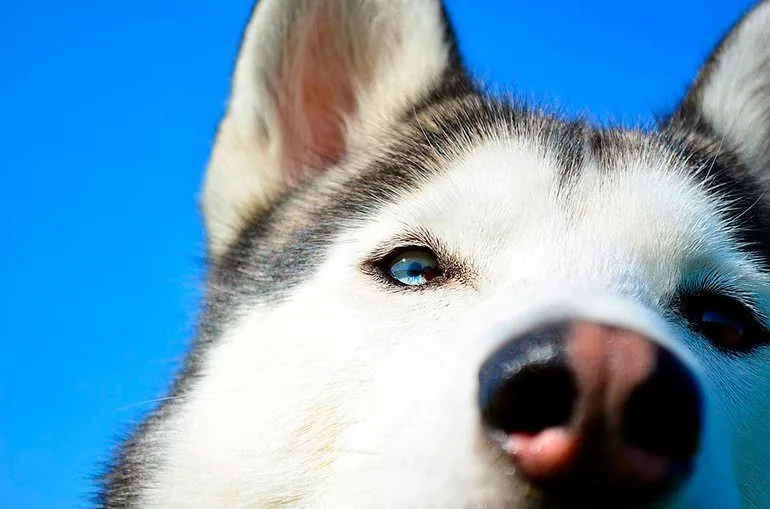
Nasal dermatitis arises from zinc deficiency and commonly appears alongside this genetic disorder. As the name suggests, it only affects the Husky's nose and shows these symptoms:
- Hair loss on the nose
- Sores on the nose
- Redness in the area
Hypothyroidism
Hypothyroidism is a condition that occurs when thyroid hormone secretion decreases, a process that affects the dog's metabolism. Its symptoms are:
- General hair loss
- Thickening of the skin
- Redness in affected areas
Eye Conditions in the Siberian Husky
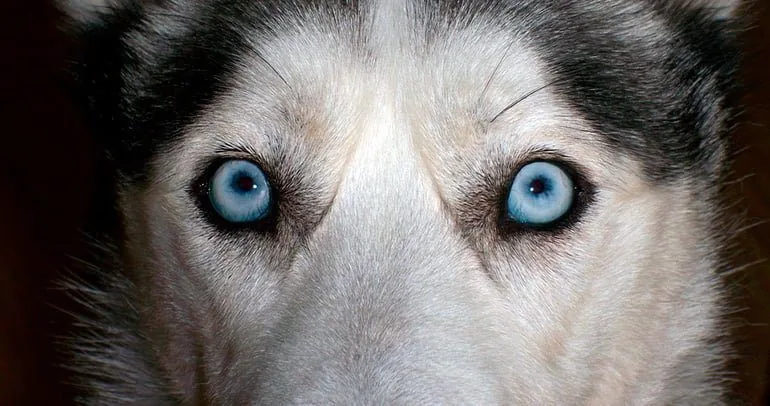
Conditions affecting the Husky's eyes appear in only about five percent of dogs; however, they're considered serious, since there's a risk of blindness.
The following eye conditions affect Siberian Huskies of any age, sex, and eye color:
Glaucoma
This occurs when the drainage channel that regulates eye pressure narrows. As a result, pressure builds up and increases. Although this condition is uncommon, we recommend having your dog's eyes examined once they turn one year old.
Bilateral Cataracts
Among the Siberian Husky's common conditions, bilateral cataracts are a hereditary disorder. They show up as a white or hazy patch covering the eye.
This condition occurs in young or adult dogs. It can also develop from eye injuries or other illnesses. If caught in time, bilateral cataracts can be treated with surgery; otherwise, they lead to total blindness.
Corneal Dystrophy
This condition is commonly known as CD. It consists of a corneal dystrophy that spreads across the eye, clouding vision. It's caused by crystals produced by the dog's eye and is a hereditary issue.
Progressive Retinal Atrophy
This condition affects the Siberian Husky's retina, is hereditary, and can spread to the rest of the eye. It shows up in two forms:
- Primary progressive atrophy. Gradually deteriorates night vision and, over time, can degenerate the cells responsible for daytime vision. It affects both eyes and appears during your dog's first year of life.
- Central progressive atrophy. Affects the cells responsible for daytime vision, so the Husky can see better at night. It also reduces the ability to spot stationary objects. It appears between the first and fifth year of life.
Joint Conditions in the Siberian Husky
Unfortunately, Huskies are also prone to certain joint-related conditions, like the ones below.
Degenerative Myelopathy
This is another of the most common conditions in Husky dogs. It's degenerative and affects the dog's joints, causing a clumsy gait, since the dog often stumbles from being unable to control its legs. It shows up in adult dogs, though some puppies can develop it too.
As it progresses, degenerative myelopathy affects the animal's nerves, causing loss of sensation and of myelin, the component that insulates nerve fibers.
Arthritis
This is a degenerative condition affecting adult dogs. It progresses slowly, so it's often diagnosed late. Its symptoms are:
- Joint pain
- Stiffness
- Muscle atrophy
- Joint inflammation
- Difficulty walking and exercising
- Limited movement
- Frequent joint cracking
Hip Dysplasia in the Siberian Husky
Another condition affecting the Siberian Husky is hip dysplasia (HD), a hereditary disorder that appears in about five percent of dogs. It occurs when the femur bone shifts out of the acetabulum, in the pelvic area, where it should stay seated.
When this happens, the Husky becomes unable to perform physical activities requiring endurance or strength, since these cause pain, arthritis, and inflammation. This condition can be passed down by either parent, and there's a chance to improve it if caught early with good nutrition and moderate exercise.
If your Siberian Husky has this problem, it'll show mild, moderate, or severe dysplasia over its lifetime, since the condition worsens during growth. Once detected, diet becomes an essential tool for slowing the disease's progression.
With that in mind, it's recommended to use a low-fat diet with no vitamin supplements to manage weight. In addition, jumping or high-impact training is off-limits. These recommendations should be combined with whatever your vet advises.
IMPORTANT: This article is for informational purposes only and does not constitute veterinary, nutritional or behavioural advice. Every dog is different, and only your trusted vet can advise you on its specific needs.