 Care
Care
Side Effects of Flea Spot-Ons in Dogs
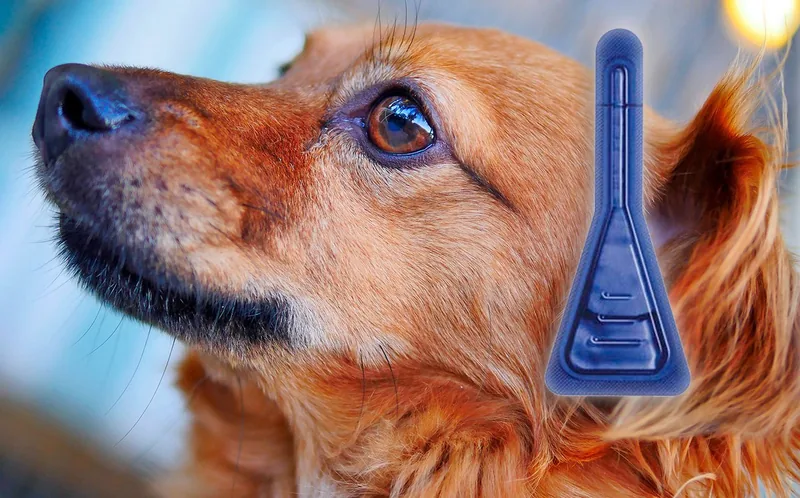
Spot-on poisoning is a common problem when using this method to resolve a flea or tick infestation in a dog. Despite how easy they are to use and how effective they are, it's possible for your dog to develop some type of reaction.
Depending on the case, allergies or side effects caused by this product's application can put your furry friend at risk. Below, we'll show you the symptoms you need to know to respond in time.
Allergy to Spot-Ons in Dogs
What is this flea and tick product made of? Although the ingredients vary by brand, most spot-ons contain permethrin, a pyrethroid that's lethal to external parasites and some insects.
Are spot-ons toxic? For most dogs, no, since permethrin is 100 times more toxic to parasites than to mammals. However, some dogs may be allergic to this ingredient, at which point various poisoning symptoms are triggered.
Before applying a spot-on, it's almost impossible to determine whether your dog will have an allergic reaction. You can check with your vet about the most suitable brands based on your dog's size and age.
What Happens If My Dog Licks the Spot-On?
Poisoning occurs from exposure, ingestion, injection, or inhalation of toxic substances. How severe the poisoning is depends on the product's toxicity, the route of exposure, the dose ingested, and the patient's age.
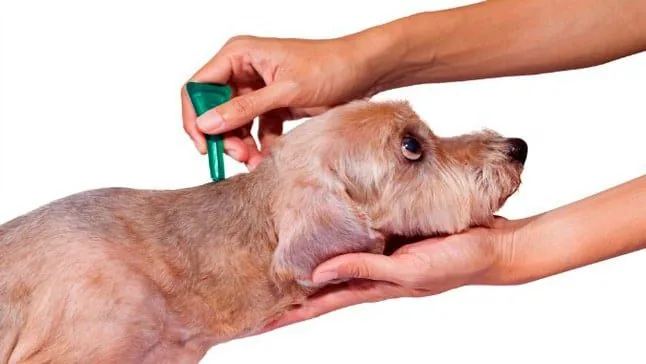
The main way spot-on poisoning happens is when the dog licks the area during the hours following application.
Another factor to keep in mind is that many commercial brands offer different spot-on formats depending on the dog's size — whether it's a toy, medium, large, or giant breed. Applying a spot-on unsuited to your dog's size is another common reason for allergic reactions.
In addition, if there's a wound on the skin, the product's chemical components will be absorbed and taken in by the body faster, producing a poisoning effect. Likewise, it's necessary to carefully read the product's instructions before applying it.
In any of these cases, don't let your dog lick its fur for at least the 12 hours after applying the spot-on. To prevent this, you can dress it in a shirt that covers the areas treated with the product.
Symptoms of Spot-On Poisoning
An allergic reaction to a spot-on produces different side effects. No dog will show all of them, but several of these will show up:
- Uncontrollable tremors
- Diarrhea. Vomiting
- Ptyalism (excessive drooling)
- Loss of sphincter control
- Rash. Trouble breathing
- Choking. Nervous behavior
- Dilated pupils
- Cramps. Tingling throughout the body
- Seizures
These reactions show up within a few minutes of applying the spot-on or in the following hours. After a day has passed, signs of poisoning don't usually appear.
Treatment for Spot-On Poisoning
The most important thing is to see the vet as soon as we notice any abnormal reaction. Likewise, remember to stay calm and bring the container of the product used with you, so the specialist can check its ingredients and determine the steps to follow for spot-on poisoning in dogs.
Treatment includes inducing vomiting, even if more than two hours have passed. Your four-legged friend will need to stay under veterinary observation, and supportive treatment will be given based on the animal's symptoms. The appearance of arrhythmias and urine output also need to be monitored. Anticonvulsant therapy, antiarrhythmics, etc., may be needed.
In addition to this, avoid:
- Forcing the dog to drink milk or oil. The effectiveness of these foods in cases of poisoning is a myth and could speed up the absorption of the dangerous components.
- Don't bathe your dog. Although you can remove part of the spot-on by dabbing gently with an absorbent towel or cloth, bathing the dog will only help spread the chemicals across its body.
- Don't ignore the symptoms. With immediate attention, your dog will recover soon; however, ignoring its reactions could cause its death.
In this case, there are no home remedies that can reverse the poisoning — a specialist's intervention is necessary.
I Applied the Spot-On to My Dog and It Keeps Scratching
Some dogs start scratching frantically right after receiving the spot-on. If this isn't accompanied by other symptoms, the possibility of poisoning is ruled out, since the scratching is due to a mild tingling some commercial brands produce.
Other times, spot-ons don't produce the expected effect. The most common reason for this is using the wrong product for your dog's size. Once this option is ruled out, it's also possible your dog is scratching not because of parasites like fleas and ticks, but due to mange or some other skin condition.
Bibliography Small Animal Toxicoses https://vcahospitals.com/know-your-pet/pyrethrin-pyrethroid-poisoning-in-dogs Pyrethrin/Pyrethroid Poisoning in Dogs https://vcahospitals.com/know-your-pet/pyrethrin-pyrethroid-poisoning-in-dogs
IMPORTANT: This article is for informational purposes only and does not constitute veterinary, nutritional or behavioural advice. Every dog is different, and only your trusted vet can advise you on its specific needs.