 Care
Care
Skin Problems in Shar Pei Dogs
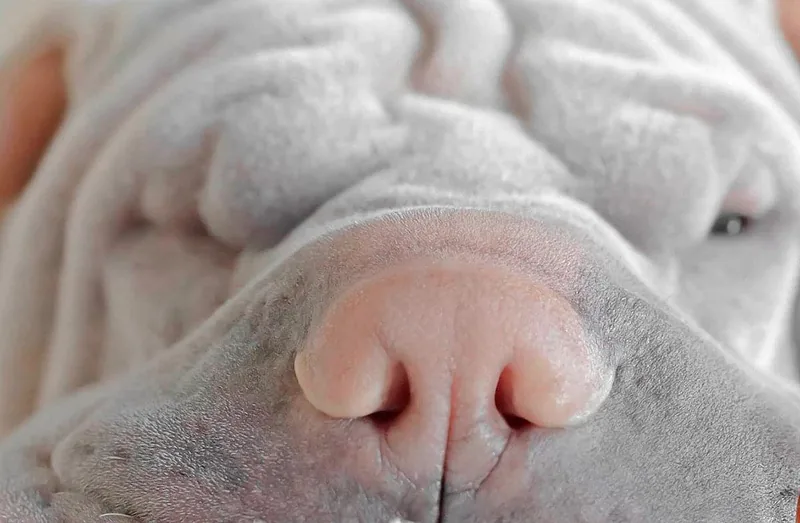
We all have our Achilles' heel, and for the Shar Pei, it's without a doubt its skin. This breed's characteristics make it prone to skin problems such as skin fold dermatitis.
At Soyunperro you'll learn to spot its main symptoms and get some tips for treating and preventing this condition. Let's get to it.
Main Skin Problems in Shar Peis
Throughout its life, the Shar Pei can be affected by various conditions, many of them skin-related. And that's because the excess skin folds it has keep the skin from breathing properly, favoring the buildup of substances and/or microorganisms harmful to the animal. Among the most common, we find:
Moist dermatitis between folds. This is a very common problem in this breed. Lack of skin oxygenation, moisture, poor ventilation, dirt buildup, and eventually bacteria or fungi, cause dermatitis and irritate its skin. Remember this is a dog that's very sensitive in this regard.
- Allergies. This is one of the breeds prone to atopic dermatitis. Diet, environmental factors, or parasites can trigger an allergic reaction in it.
- Folliculitis. This affects short-haired dogs like the Shar Pei. It's inflammation of the hair follicle, worsened by the animal's own licking, and usually shows up as small pustules (small pus-filled bumps).
- Demodectic mange. This is caused by mites, specifically Demodex, which live in the hair follicles. These prefer short-haired breeds like the Shar Pei. That said, this is a condition they can develop, not one that's inherent to the breed.
If not treated properly and in time, some of these conditions can become chronic and harder to treat. So, we shouldn't downplay these problems and should act as soon as the first symptoms are noticed.
How to Detect Dermatitis in a Shar Pei?
A Shar Pei's skin is one of the areas we'll have to take the most care of and watch throughout its life. There are various types of dermatitis that can affect it, with varying symptoms. Allergic or atopic dermatitis is the most common, along with moist fold dermatitis.
Atopic dermatitis is due to a type I (allergic) hypersensitivity reaction. It's a disease with a genetic component. Specifically, the dog produces antibodies in response to contact with different substances called allergens.
These can be: fungi, pollen, mites, etc. Although it can also be a food allergy. The most obvious symptoms or signs are:
- Intense itching, especially in the ears, muzzle, and limbs (areas affected by canine atopic dermatitis).
- Hair loss, redness of the skin, and intense licking following scratching.
- Otitis, since atopy is a primary factor triggering it.
- Unpleasant smell coming from the skin folds.
- Secondary bacterial infections.
- Nasal (rhinitis) and eye (conjunctivitis) discharge.
The Importance of Diet
In dogs, as in humans, the skin is the body's largest organ, and the most exposed, which is why it needs to be cared for. Having a suitable, quality diet will help maintain the proper integrity of the external protective barrier, which is the skin. Let's not forget nutrition is also medicine. Diets with salmon as the protein source will be especially beneficial for our pet's skin.
Diet will therefore be an important pillar in treating moist fold dermatitis or atopy in the Shar Pei, and especially so when the allergy is due to allergens in the food. What's recommended to treat this problem is following a hypoallergenic diet, or in more extreme cases, an anallergenic one.
This type of diet is low in grains (generally from a single source), uses highly hydrolyzed, highly tolerable protein, and is rich in omega-3 and/or omega-6 fatty acids, among other components. If the dog improves on this diet and worsens again once it's stopped, there will be no doubt about the diagnosis — it will be a food allergy.
But besides this measure, there are other actions to ease dermatitis symptoms. For example:
- Keep the house clean, vacuuming routinely to prevent dust mites from building up. If the dog is nearby, don't shake out blankets or sheets hard.
- Avoid walking it if there's a high pollen count in the air.
- Make sure the dog is completely dewormed. And not just it — every animal in its environment too.
- You can use skin treatment shampoos, but always check with an expert beforehand.
These measures will be great for trying to prevent the appearance of symptoms or ease them. That said, if it's already established, medication will need to be used to control the condition and prevent secondary infections that could end up worsening the problem.
Either way, treatment will depend on the cause behind the dermatitis, as well as the animal's symptoms, since it can vary by case. To find out, you'll need to talk to your vet, explain what dermatitis signs you've noticed in your canine friend, and start addressing it. The sooner you do, the better — this way you'll prevent it from getting worse.
IMPORTANT: This article is for informational purposes only and does not constitute veterinary, nutritional or behavioural advice. Every dog is different, and only your trusted vet can advise you on its specific needs.