 Care
Care
The Danger of Foxtails for Dogs
You don't need to live in rural areas where grain is traditionally grown in fields, nor do you need to walk through forests or areas deep in nature. Foxtails are part of plants that grow anywhere — fields, towns, cities, parks, paths… And the truth is they pose a danger to our dogs.
There are countless grass species that form sharp foxtails covered in tiny "hooks," which we can observe under a microscope. These foxtails can lodge anywhere and cause discomfort, pain, inflammation, and infections.
It's easier than it seems for them to get stuck, in all types of breeds, not just those with more fur. They can lodge in many parts of our pet's body, but the most common are: inside the ears, the nose, the eyes, and the paw pads. Let's look at how to detect them and fix it.
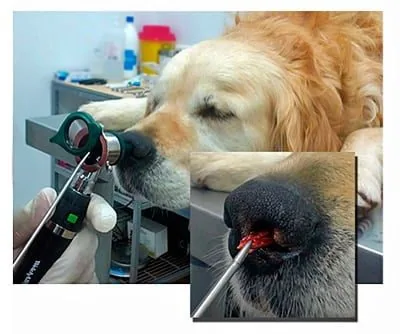
Foxtails in a Dog's Nose
It will be very easy to know if our dog has had the bad luck of getting a foxtail stuck in its nose, or worse, in its airway. If we notice any of the symptoms we'll see below, we need to urgently see a vet so they can sedate it and remove the whole foxtail.
Main symptoms that our dog has a foxtail in its nose:
- Coughing or sneezing, it will sneeze constantly.
- Runny nose, it's normal for it to start running a lot and even expel mucus with blood.
- Nervousness, it will get restless seeing that it doesn't go away.
We should never try to remove the foxtail ourselves, since its nose is extremely delicate and we could hurt it badly. In addition, we could leave a piece stuck inside and cause an infection.
Foxtail Stuck in a Dog's Ear
Just as a foxtail can get stuck in its nose, it can also get into its ear and cause severe discomfort and a lot of pain. We stress again that we should never try to look for it or remove it ourselves, since we could cause irreparable damage to its ears.
The symptoms a dog shows when it has a foxtail in its ear are:
- Head shaking (they normally turn their head toward the side where the foxtail is lodged), like when their head is wet and they shake off the water.
- Scratching at the ear, obsessive scratching that can seriously harm it.
- Pain, whimpering, nervousness.
Trauma from the dog to its ear can cause an aural hematoma that fills the outer ear flap with blood. Most of these need surgery, and recovery is slow and unpleasant. We need to see the vet immediately if we suspect our dog may have a foxtail in its ear.
Foxtails in a Dog's Eye
Besides being dangerous, they're very painful, which is why the dog will try to remove them at all costs and possibly hurt its eye in the attempt. Needless to say, only a vet can treat a dog's eyes, so we should never, under any circumstances, try to do it ourselves, since treatment will depend on whether a corneal ulcer has formed or not.
Symptoms of a dog with a foxtail stuck in its eye:
- Tearing and an eye more closed than normal are the main symptoms.
- Trying to scratch the eye
Foxtail in a Dog's Paw (Pad Area)
These will cause limping to a greater or lesser degree. If we see them whole, we can pull to remove it and make sure that's what happened. If not, we should take it to a vet visit so they can remove it using different methods (the more complex ones require sedation).
Foxtails in a Dog's Skin
It's possible we won't detect them and they'll cause an infection in our dog. Given their morphological characteristics, once foxtails get stuck, they don't come out easily, so generally, what they do is keep working their way in little by little.
Normally, we'll find a lump on its skin, sometimes infected. If we look closely at the lump, we may see the foxtail halfway stuck, or we may simply see it already fully embedded if our dog's fur allows it.
To find foxtails, we need to check our dog periodically and thoroughly, especially when we know we've been walking or playing in areas where they're abundant (mostly in summer). If we find one, we can try to remove it very carefully, although it's recommended to have a vet do it, to prevent infections.
In addition to this, in the vast majority of cases, our pet will need medication to take home, such as anti-inflammatories and/or antibiotics.
IMPORTANT: This article is for informational purposes only and does not constitute veterinary, nutritional or behavioural advice. Every dog is different, and only your trusted vet can advise you on its specific needs.