 Care
Care
Tips for Taking Your Dog to the Beach
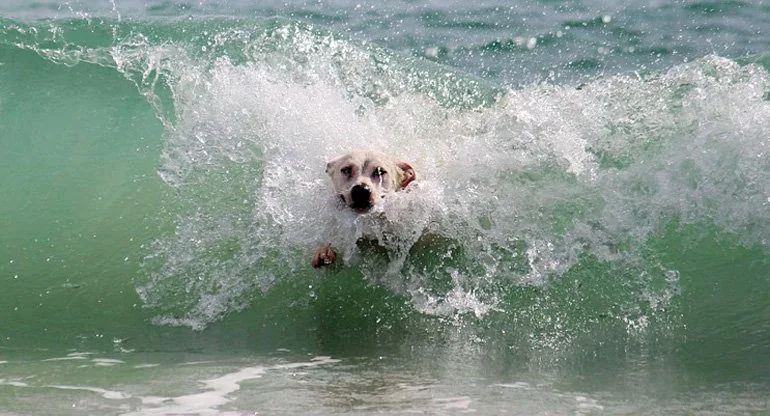
With the summer heat, many of us feel like spending the day by the seashore enjoying a good beach day. Plenty of dogs also know how to enjoy this natural setting, and in fact, they have an amazing time.
But can dogs go to the beach? In this SoyunPerro article we explain the benefits, the dangers, tips, and the legal side of this activity so you can plan a refreshing trip for you and your best friend.

Benefits of taking your dog to the beach
The beach is a perfect place for dogs to enjoy walking or running on the sand and taking dips in the water. But besides the fun it offers, taking your furry friend to the beach comes with all the benefits listed below.
- The beach helps the two of you fight off the sweltering heat of some summer days together.
- Running on the sand or swimming is very healthy exercise that helps your dog stay in shape.
- Sunlight provides vitamin D, essential for a dog's wellbeing and health.
- Salt water cleans mucous membranes of harmful bacteria and helps disinfect and heal wounds and skin conditions thanks to its healing and antiseptic properties, and prevents infections thanks to its antibacterial and antimicrobial properties.
- Sea water is also good for relieving itching caused by conditions such as atopic dermatitis, seborrheic dermatitis, dandruff, psoriasis, or mange.
- Having fun at the beach boosts their happiness levels and lowers stress levels.
- This outdoor activity helps strengthen the dog-human bond and lets you teach your four-legged friend basic commands, like "come" or "wait," in a different setting.

Dangers of taking your dog to the beach
However, the beach also has some aspects that could put your pet's safety at risk. That's why we'll now go over all those dangers and how important it is to keep an eye on your dog so a lovely beach day doesn't turn into a nightmare.
First off, although dogs that venture into the water usually know how to swim, currents can tire them out a great deal and become a huge danger, even for experienced swimmers. Never take your eyes off your dog.
Be especially careful with heatstroke! Senior dogs and puppies, along with others with contributing factors like obesity or heart conditions, are the most prone to suffering heatstroke, though it can happen to any dog.
Skin burns are another of the most common problems dogs suffer during a day at the beach. Short-haired, white, or pale-skinned dogs, such as Dalmatians, are especially prone to sunburn.
Many dogs drink sea water out of thirst or as a game. However, this water is very harmful to their system, since it causes hypernatremia — dangerously high salt levels in the body — which leads to serious gastrointestinal poisoning.
Biting or swallowing sand is also dangerous and, like salt water, can cause dysentery in dogs.
Likewise, in the sea we can find almost anything — from marine animals like sea urchins and jellyfish to trash, fishing hooks, or other sharp objects that can cause wounds or hives in our pets.
- You might be interested in: What happens if my dog drinks sea water?
Tips for taking your dog to the beach
To avoid all the problems mentioned above, we recommend following these 10 tips:
- Before heading out, don't forget your dog's paperwork, sunscreen, water, a water bowl, a sun umbrella, poop bags, and a toy for your friend.
- Follow posted guidance and avoid swimming with your dog when there are strong currents.
- Stay alert and keep an eye on your dog at all times when they go in the water.
- Swim with them in areas where the water doesn't get too deep. It's important that your dog knows how to follow basic commands so they can get out of the water if you spot any danger, like a jellyfish.
- Avoid going to the beach during the hottest hours of the day (11:00 a.m. – 4:00 p.m.).
- Provide plenty of fresh water and shade for your dog.
- Apply sunscreen to your dog's sensitive areas, especially spots with little pigmentation or fur, such as the nose, ears, and paw pads. Reapply often, especially if they go in the water.
- Completely prevent your dog from drinking sea water. Offer fresh water constantly so they don't get thirsty and give in to the temptation.
- If your dog is hurt by a sharp or venomous object or animal, remove the object or spine if possible and apply an antiseptic cream. If it instead causes a skin reaction, like hives, or you can't remove the object, go to the vet as soon as possible.
- Rinse your friend off after the beach day with plenty of fresh water to clean off the salt, sand, and other minerals that can harm their skin and coat.

Is it legal for my dog to go to the beach?
Although the number of dog-friendly beaches has grown in recent years, it's vital that owners check beforehand whether dogs are allowed to enter the swimming area.
Rules for dogs on beaches vary and depend on each local municipality and the season. However, visiting a beach that doesn't allow dogs can cost you a fine ranging from €90 to €3,000.
There are many coastal areas not restricted by these rules where swimming with dogs is allowed. If you want to find out which beaches allow dogs where you live, so you can enjoy a relaxed day with no unpleasant surprises.
IMPORTANT: This article is for informational purposes only and does not constitute veterinary, nutritional or behavioural advice. Every dog is different, and only your trusted vet can advise you on its specific needs.