 Care
Care
Treatments for Perineal Hernia in Dogs
Perineal hernia is less common in dogs than other types of hernias, such as umbilical or inguinal ones. It's a protrusion in the anal area that can have very negative consequences for the dog's health.
Any swelling in this region, especially if our dog is older and intact, can indicate the presence of this type of hernia. It's reason for an urgent vet visit.
What Is a Perineal Hernia?
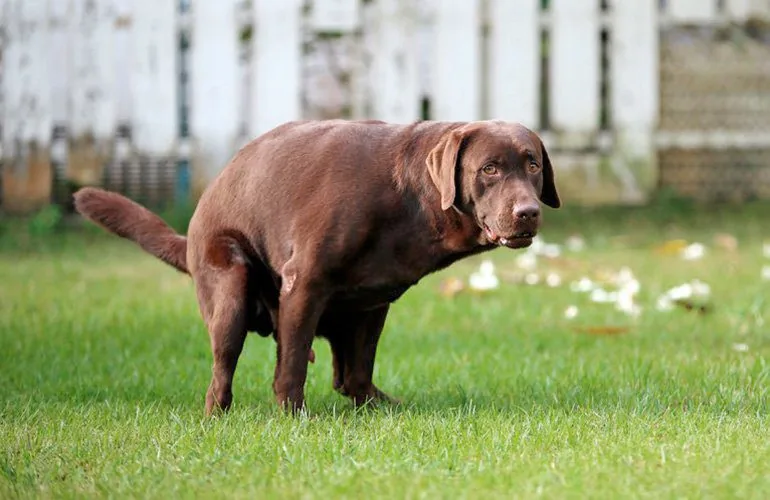
A perineal hernia is the protrusion that occurs along the anus. Due to its location, when the dog defecates, the hernia may grow. They can be unilateral or bilateral, and also differ by their contents — meaning what's become trapped inside the hernia.
It can be fat, fluid, the rectum, the prostate in males, the bladder, or even part of the intestine. Severity depends on these contents. It can be fatal. Why perineal hernias occur isn't known, but hormonal involvement is suspected.
Other factors are also pointed to, such as prostate growth in males, which can increase straining when passing stool. Generally, any disease affecting the rectum can end up causing a hernia. The trigger is always overexertion in the pelvic region.
Symptoms of Perineal Hernia in a Dog
What we'll be able to notice with the naked eye is swelling or a bulge in the anal area, on one side or both. If, as a result of the hernia, urine flow is affected, a very serious symptom is this flow stopping completely and the dog no longer urinating. This is a veterinary emergency, and the vet needs to be seen immediately.
Other clinical signs of varying severity can appear depending on which organs have become trapped in the hernia. Some of the symptoms we may find are the following:
- Constipation.
- Straining while defecating.
- Urinary incontinence.
- Abdominal pain.
- Changes in the tail's normal position.
Which Dogs Get Perineal Hernias?
Although any dog could develop a perineal hernia, it's been observed that these are more common in older males that haven't been neutered. In fact, it's considered a hernia typical of these dogs. The highest incidence is found between 7 and 10 years of age.
A higher predisposition has been found in breeds such as the Collie, Boxer, and Pekingese. These hernias are believed to be more common in males because the musculature of the perineal area in females is stronger, since it's built to withstand labor.
Can Perineal Hernia Be Prevented?
Since it's a type of hernia found in intact, older male dogs, we might think neutering prevents it from occurring. In fact, when a perineal hernia is diagnosed, neutering is usually recommended.
How Are Perineal Hernias Diagnosed?
If swelling in the anal area makes us suspect the presence of a perineal hernia, the vet can confirm the diagnosis through a rectal exam. To do this properly, they'll likely need to sedate the dog.
Ultrasounds and X-rays are other tests that provide information. Blood and urine tests let us gather data on the dog's overall condition. These are essential if surgery is needed.
Treatment for Perineal Hernia
The treatment of choice in these cases is surgery, but we should know resolving these hernias is complex. Complications are likely, and once repaired, the hernia can come back. In addition, surgery usually requires reconstructing the whole area.
Several surgical techniques are used, including grafts from muscles, which can cause rejection reactions, synthetic mesh, or both. Another problem is the dog's age. In older dogs, surgery may not be possible, so palliative measures are used instead, such as enemas, pain management, diet, stool softeners, or IV fluids.
If, as a result of the hernia, the dog has suffered significant damage, such as being unable to urinate, it always needs to be stabilized before surgery. Painkillers and antibiotics will be prescribed for the post-operative period.
Care for a Dog With Perineal Hernia
For a dog with a perineal hernia that's had surgery, we need to follow guidelines aimed at reducing complications from an already complex surgery as much as possible. It's important to keep these recommendations in mind:
- Make sure the dog urinates and defecates properly. Any straining should be reported to the vet, since it could ruin the surgery.
- Clean the incision daily.
- Feed it a high-fiber diet to support intestinal transit.
- Keep it hydrated — check that it drinks enough water.
- Use an Elizabethan collar if it tries to lick the area.
- Prevent rough exercise or anything that would strain it.
Bibliography Bongartz A., Carofiglio F., Balligand M., Heimann M., and Hamaide A. (2005): "Uso de injertos autógenos de fascia lata para la reparación de hernias perineales en el perro". Vet Surg, 34: 405-13. Carlson and Giffin (2002): Manual práctico de veterinaria canina. Madrid: Editorial el Drac.
IMPORTANT: This article is for informational purposes only and does not constitute veterinary, nutritional or behavioural advice. Every dog is different, and only your trusted vet can advise you on its specific needs.