 Care
Care
Clotting Disorders in Dogs: Von Willebrand Disease
Von Willebrand disease is one of the blood clotting disorders dogs can have. In this type of condition, one of the factors needed for proper clotting is missing.
In this process, liquid blood solidifies, making it possible to control bleeding. So, when this mechanism fails, the dog can suffer spontaneous bleeding that's hard to stop, hence how serious this disease is. Let's take a closer look at its details, symptoms, treatment, and life expectancy in dogs affected by it.
What Is Von Willebrand Disease?
This condition, abbreviated as vWD, is defined as a hereditary bleeding disorder. It's not a contagious disease. Specifically, it's inherited as a dominant gene, but its expression, meaning how much the disease shows up, varies widely. Severity is linked to how intensely this gene is expressed.
So, different clinical pictures are found depending on the dog. What occurs is a deficiency of a plasma protein called von Willebrand factor. This protein contributes to platelets functioning properly at the start of the clotting process. Platelets are cell fragments that participate in clot formation.
The consequence of von Willebrand disease will be difficulty clotting blood. In addition, many of these dogs will also suffer from hypothyroidism, a condition due to a deficiency of thyroid hormones that seems to contribute to bleeding.
Which Dogs Get Von Willebrand Disease?
In theory, any dog can be affected by this disorder, but specifically, it's been described in a significant number of breeds. There are more than fifty, and affected dogs can genetically pass on and express the disease, regardless of whether they're male or female.
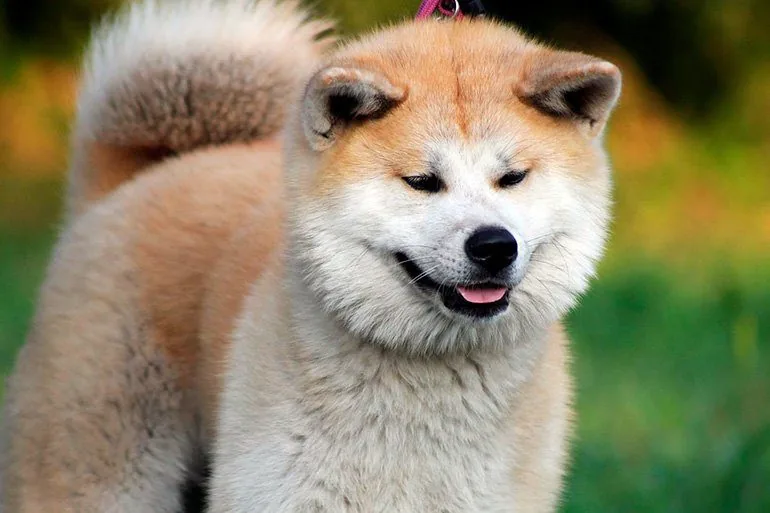
A higher tendency toward a mild case of von Willebrand has been detected in breeds such as the Golden Retriever, Doberman, Standard Poodle, Pembroke Welsh Corgi, Manchester Terrier, Miniature Schnauzer, or Akita.
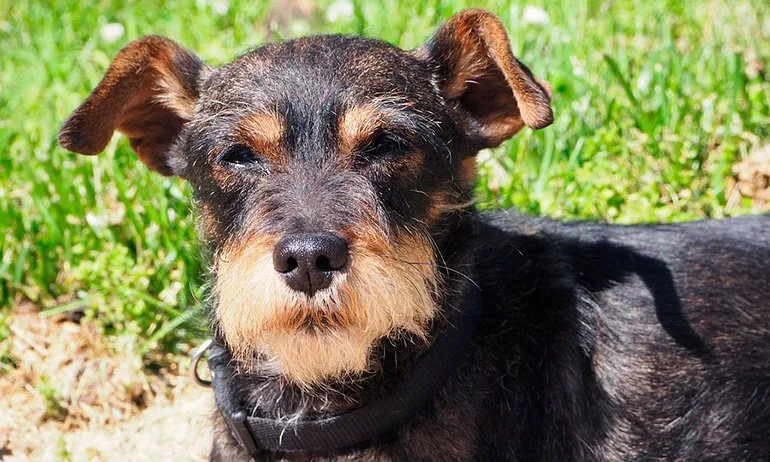
On the other hand, there are other breeds in which a tendency for von Willebrand disease to cause severe bleeding has been identified. Notable ones include the Scottish Terrier, German Shorthaired Pointer, Miniature Collie (Sheltie), or the Chesapeake Bay Retriever.
Symptoms of Von Willebrand Disease
Luckily, in a good number of cases, this disorder only causes mild bleeding that can even go unnoticed by us. In addition, this blood loss decreases as the dog gets older. But in other dogs, the clinical picture can be more severe, with symptoms such as the following:
- Nosebleeds that don't stop. — Bleeding under the skin and inside muscles. We can notice bruising, especially in areas with little fur, like the abdomen.
- Blood in the stool, which can be fresh or digested, in which case it's known as melena.
- Blood in the urine, or hematuria.
- Bleeding gums that can occur just from adult teeth coming in.
- Bleeding after simple surgeries, such as removing dewclaws.
How Is Von Willebrand Disease Diagnosed?
Any recurring or prolonged bleeding is reason to see the vet. To detect this disease, a blood sample needs to be taken from the dog and specific blood tests run. These include calculating bleeding time and the quantitative test for vWD.
In this case, vWD antigen levels are measured, meaning levels of the protein by this name, which are below normal values in this disease. A dog with a low number can show symptoms, be at risk of developing them, or, at least, be a carrier of this abnormality.
There's also the option of ordering a DNA test that can identify affected dogs. For obvious reasons, breeding of affected or carrier dogs shouldn't be allowed.
How Is Von Willebrand Disease Treated?
Once the diagnosis is confirmed, treatment largely depends on the type of bleeding occurring. When there's significant blood loss, the option is to hospitalize the dog for a transfusion. Specifically, fresh whole blood is transfused, with red blood cells, platelets, and active clotting factors.
When bleeding is less severe, instead of a transfusion, we can directly turn to giving fresh plasma or a concentrate that includes the missing clotting factor.
If the dog also has hypothyroidism, it will need medication for this condition. This is a drug that replaces the hormones its thyroid can't produce, which we'll need to give for life.
Bibliography Carlson and Giffin (2002): Manual práctico de veterinaria canina. Madrid: Editorial el Drac.
IMPORTANT: This article is for informational purposes only and does not constitute veterinary, nutritional or behavioural advice. Every dog is different, and only your trusted vet can advise you on its specific needs.