 Care
Care
Waardenburg-Klein Syndrome in Dogs
Waardenburg-Klein syndrome, or WKS for short, is a genetic disease affecting the pigmentation of the skin, coat, and eyes. In addition, it also causes deafness.
This is a rare, uncommon disorder. It gets its name from the Dutch ophthalmologist who described it in human medicine in the 1950s. Want to know all the details about this strange condition? Let's get to it.
What Is Waardenburg-Klein Syndrome?
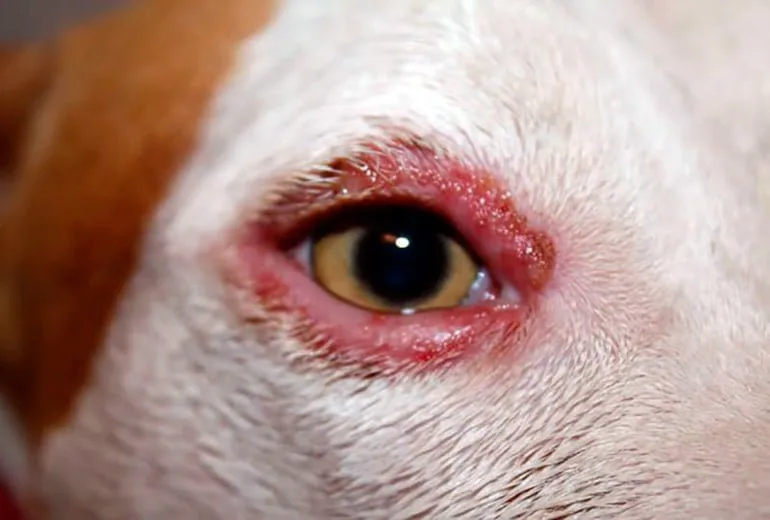
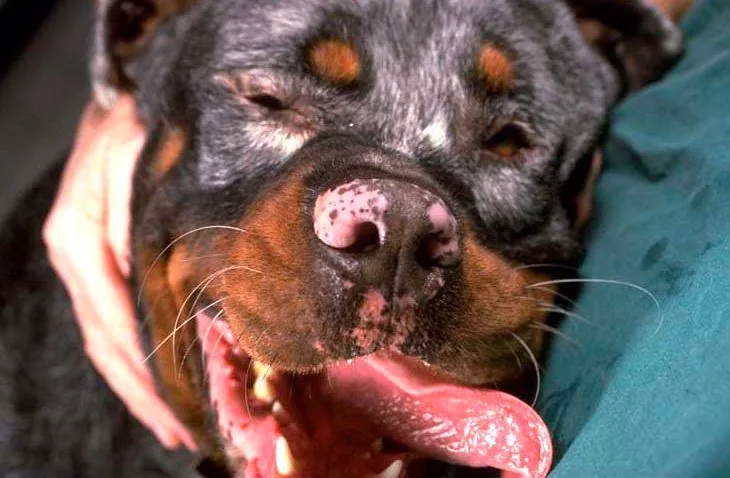
This syndrome is characterized by a lack of pigment noticeable in both the skin and coat. The affected areas will appear white. This is due to the absence of melanocytes, the epidermal cells producing the pigment melanin.
In addition, it's associated with other disorders such as deafness and iris heterochromia. In this disorder, the dog will have one eye of each color, though it's also possible in this syndrome for both eyes to appear blue.
Vitiligo and Waardenburg-Klein Syndrome
Vitiligo is a skin disorder characterized by hypopigmentation from the absence of melanocytes. This disease's connection to Waardenburg-Klein syndrome lies in the fact that this syndrome is one of the possible causes of vitiligo, which can have other origins.
Which Dogs Get Waardenburg-Klein Syndrome?
This disorder shows up in young dogs regardless of sex, since cases are detected in both males and females. This syndrome has been diagnosed at a higher rate in breeds such as the Bull Terrier, Collie, or Dalmatian.
How Is Waardenburg-Klein Syndrome Diagnosed?
The truth is there are several diseases characterized by hypopigmentation. Some are genetic, while others can be acquired by the dog over its life. Many are more common than Waardenburg-Klein syndrome.
Deafness also has different origins and is usually diagnosed directly by noticing the dog doesn't respond to auditory stimuli. In addition, there are hearing tests that can be done at any age to confirm the diagnosis.
The problem is these are highly specialized and aren't done at just any clinic. Either way, it's possible to detect deafness without needing them. So, the vet will need to make a differential diagnosis among multiple conditions. We'd highlight the following:
- Albinism
- Vitiligo
- Nasal hypopigmentation
- Discoid and systemic lupus erythematosus
- Pemphigus and bullous pemphigus
- Leishmaniasis
- Poisoning from certain drugs
- Zinc deficiency
- Some tumors.
Treatment of Waardenburg-Klein Syndrome
As of today, no therapy is known that can cure this disorder. For now, the only recommendation is not to breed dogs diagnosed with this syndrome, so the number of affected individuals doesn't increase.
Either way, luckily, the changes it causes don't usually disrupt the dog's normal life too much. They're cosmetic, so they don't prevent it from carrying out its daily activities. It is important to pay attention to living with a dog affected by deafness. But with a few minimal guidelines, we'll be able to give it a happy, comfortable life.
Finally, it may be advisable to use sunscreens specifically made for dogs on the areas that have lost pigment and avoid direct sun exposure during the hours of strongest sunlight.
Bibliography Carlson y Giffin. 2002. Manual práctico de veterinaria canina. Madrid. Editorial el Drac.
IMPORTANT: This article is for informational purposes only and does not constitute veterinary, nutritional or behavioural advice. Every dog is different, and only your trusted vet can advise you on its specific needs.