 Care
Care
What Is Reverse Sneezing in Dogs? Causes and Treatment
Our dogs can make a wide variety of sounds — snorting, growling, coughing, howling, whining, sneezing, etc. These vary depending on the circumstances, and it's very important for owners to know how to interpret them.
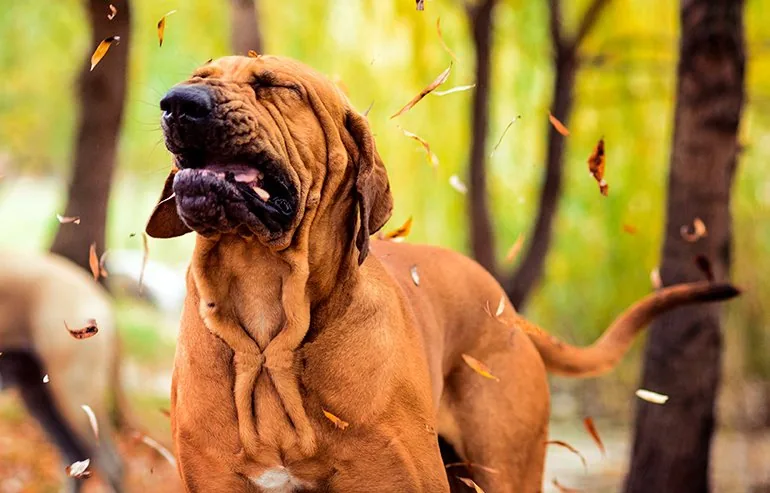
One of the dog sounds that worries owners most is reverse sneezing, in which, instead of expelling air outward, as happens with a normal sneeze, it's reversed and air is inhaled forcefully, producing a noise that can seem concerning. In today's article, we'll talk about how and why it happens.
How Does Reverse Sneezing Happen?
This type of sneeze is also known as paroxysmal inspiratory breathing, and it's caused by a muscle spasm triggered by palatal or tracheal irritation, causing violent inhalations of air.
This phenomenon worries many owners, since it can seem like their canine friend is choking. During these episodes, the sneezing is usually accompanied by a feeling of suffocation, so our companion will stay still with its front legs apart and neck extended in an attempt to increase its breathing capacity.
However, these episodes aren't painful or harmful for pets, as long as they're not linked to secondary disturbances and don't become a regular occurrence.
Why Do Dogs Have Reverse Sneezing?
These spasms last roughly 30 seconds and can be caused by several factors, mainly irritation or inflammation of the airways caused by dust, pollen, or strong, pungent smells that trigger sneezing.
They're also associated with overexcitement or strong leash pulls, especially in dogs wearing a collar. These episodes can occur in any breed, but tend to be common in brachycephalic breeds: Pugs, Shih Tzus, and Bulldogs, due to their anatomical particularities.
These different factors cause a temporary narrowing of the trachea, which produces the characteristic noise and also makes it harder for the animal to inhale. It could also be due to an infection or virus, though this isn't usually the most common case, and in these cases, they'll be continuous and quickly get worse.
Is It Serious If a Dog Sneezes Backward?
These episodes can be normal on an occasional basis, and don't put the animal's health at risk. However, if you notice they're happening more often, this could suggest the presence of secondary disturbances that could indeed affect our dog's health.
There's also another phenomenon that should put us on alert: tracheal collapse. A partial or total blockage of the trachea, resulting from the weakening of the rings making it up. When this happens, the animal starts showing easily noticeable symptoms, including wheezing, difficulty breathing, coughing, and lethargy.
Sometimes it could be confused with reverse sneezing, so it's important to know how to tell them apart — some differences are the duration: reverse sneezing lasts less time, and once it stops, the animal acts as if nothing happened.
In addition, reverse sneezing is characterized by being an inhalation with no other associated symptoms, while tracheal collapse is usually accompanied by the symptoms named above.
What to Do If My Dog Has Reverse Sneezing?
As mentioned, these episodes are usually normal on an occasional basis, and don't put our furry friends' health at risk. Even so, it's recommended to see the vet if the sneezing becomes more and more frequent. It's important to confirm the diagnosis and rule out more serious health problems we might be confusing it with.
Although it's a very striking phenomenon, it's not considered a disease as such, so we can't really talk about a cure — instead, the approach would be treating whatever is causing it.
Good house cleaning is recommended to prevent dust from causing irritation, and strong smells should be avoided, such as pungent perfumes, cleaning products, or strong air fresheners at home.
If it does happen, it would be advisable to try to keep the animal somewhere relaxed and well-ventilated, and try to calm it down during the episodes, talking to it calmly, with gentle petting, but never restraining it or crowding it — it's important to give it its space.
IMPORTANT: This article is for informational purposes only and does not constitute veterinary, nutritional or behavioural advice. Every dog is different, and only your trusted vet can advise you on its specific needs.