 Care
Care
Why Does My Dog Have Dandruff? Effective Solutions
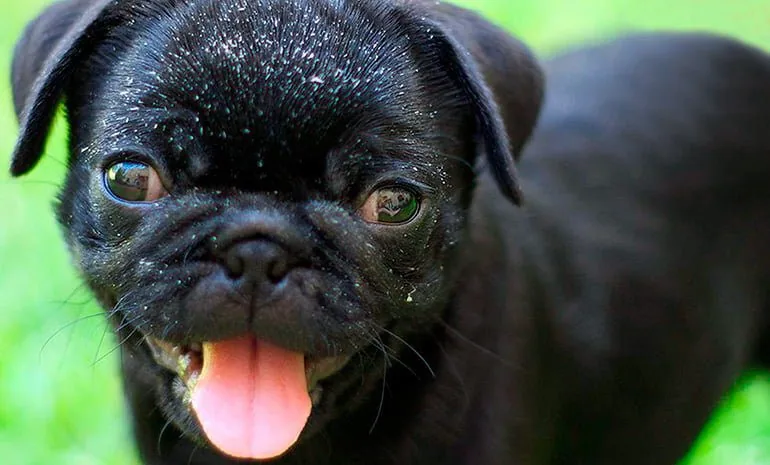
Just like humans, dandruff can also show up in our dog's coat. There are various causes that can explain its appearance, since it's not just a cosmetic issue, as one might think.
Proper hygiene and a quality diet are the basis for keeping our dog's coat shiny. But when dandruff is due to a disease, it's essential for the vet to prescribe treatment.
Dandruff in Dogs
Dandruff is flaking of skin cells that shed and stay on the dog's coat. It can occur in any dog, regardless of age, breed, or sex.
Dandruff is a sign we should always pay attention to, since it points to health problems. These can be more or less serious. That's why we need to find the cause to fix it.
The Different Reasons That Trigger Dandruff
There are many reasons capable of causing dandruff in a dog. Some are management issues we can resolve with simple changes to the care we give our dog. But other causes are linked to diseases for which we'll definitely need the vet's help.
Dandruff Resulting From Poor Hygiene
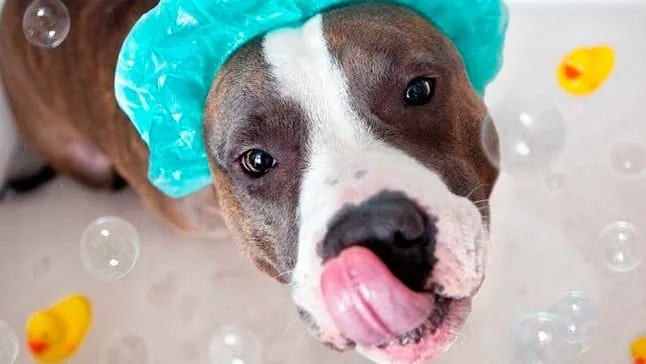
Poor hygiene can be behind the appearance of dandruff. But, on the other hand, excessive bathing or using unsuitable products can also be linked to dandruff production. This management issue has a relatively simple solution. Let's take advice from a professional dog groomer or the vet.
They'll give us guidelines for our dog's hygiene, along with the products and grooming tools most suited to its coat's characteristics. As a general recommendation, we shouldn't apply any product that isn't specifically formulated for dogs.
Dandruff — a Sign the Dog Isn't Being Fed Properly
The quality of the skin and coat reflects the diet we offer our dog. An unbalanced menu that doesn't meet basic nutritional needs shows up as dandruff and, generally, a poor-looking coat. This is another easily resolved cause of dandruff. To fix it, we'll need to change what our dog eats.
This food needs to be quality and suited to the life stage it's in. Dandruff is usually an early symptom of an incorrect diet. But if we keep up that diet, it's very likely other, more serious symptoms of the nutritional deficiency will soon appear.
Skin Care With Fatty Acids
The best-known fatty acids, linked to coat and skin health, are omega-3 and omega-6. Even commercial foods specially formulated for dogs can be found lacking in fatty acids.
This mostly happens with dry food and is due to storage problems from high temperatures, or preservatives being in poor condition, which encourages fats to become rancid. When a dog lacks the fatty acids it needs for months, besides dandruff, we'll notice its coat losing shine and areas of oilier skin.
Inflammation and infections can develop there, complicating the picture. Although some owners in this situation choose to give fatty acid supplements on their own, this isn't the best idea. Only the vet can prescribe dietary supplements.
Diseases and Skin Problems in Dogs
Numerous conditions can present with a poorer-looking coat and dandruff production. For example, hypothyroidism or kidney disease. So, if the dandruff doesn't go away even when the dog's hygiene and diet are correct, we need to see the vet so they can examine our dog looking for the underlying condition.
How to Eliminate Dandruff in a Dog?
To get rid of our dog's dandruff, we need to know its cause. Once eliminated, the dandruff will go away. To keep the coat clean while the treatment prescribed by the vet takes effect, we can bathe the dog with a suitable shampoo.
We can find ones with anti-dandruff action, which the professional should recommend. In addition, if the dandruff comes with dry skin, the shampoo should boost moisture. There are also anti-seborrheic shampoos that control excess flaking.
Preventing Dandruff in Dogs
Based on the sections above, here's a summary of the tips we should follow to prevent our dog's coat from looking dull due to dandruff. These are the following:
- Bathe the dog as often as needed based on its living conditions and coat type.
- Always use products specifically formulated for dogs.
- Brush the coat regularly, also according to the dog's characteristics.
- Offer quality food suited to the dog's nutritional needs.
Bibliography Dlujnewsky, Javier. 2018. Los nutrientes que la piel necesita. Revista Ateuves nº 57. pp. 14-16. Navarro, Laura and Granada, Sandra. 2010. El cuidado de la piel en la dermatitis atópica. Revista Ateuves nº 28. pp. 22-27. Villagrasa, María. 2016. Los complementos nutricionales. Revista Ateuves nº 13. pp. 24-28.
IMPORTANT: This article is for informational purposes only and does not constitute veterinary, nutritional or behavioural advice. Every dog is different, and only your trusted vet can advise you on its specific needs.