 Care
Care
Canine Hypoadrenocorticism (Addison's Disease)
Addison's disease, or hypoadrenocorticism, is a hormonal disease that's not very common in dogs. But it's worth knowing about, since it's often confused with other conditions, and a wrong diagnosis would lead to treating the dog ineffectively.
Although it's not always quickly detected, luckily there are simple ways to identify it. And effective treatments exist so our dog can lead a completely normal life.
What is Addison's disease?
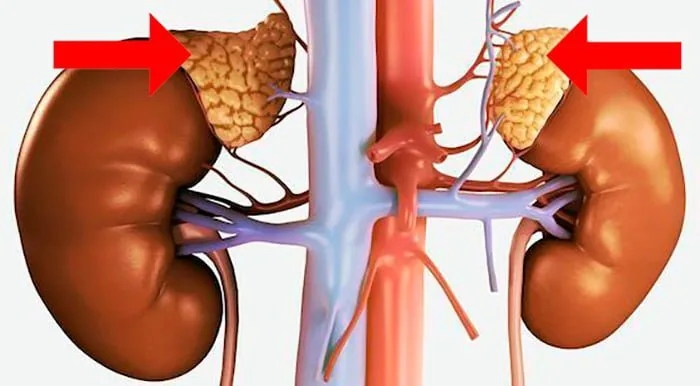
Addison's disease was described in humans by Thomas Addison in 1855 after removing the adrenal glands from rats, hence the name. The adrenal glands are two small capsules located above the kidneys, which produce mineralocorticoids and glucocorticoids.
Mineralocorticoids regulate electrolyte levels (sodium, chloride, and potassium). Glucocorticoids are involved in carbohydrate metabolism, reduce inflammation, and suppress the immune system. Corticosteroid release is controlled by the pituitary gland, through production of the hormone ACTH.
This deficiency can stem from several combined causes and can affect the production of both glucocorticoids and mineralocorticoids. When it only affects the former, it's called atypical hypoadrenocorticism, though the disease usually progresses to affect mineralocorticoids as well.
How does Addison's disease develop in a dog?
This condition can be caused by a disease that destroys the adrenal glands. This can include infections, tumors, metastasis, atrophy from autoimmune mechanisms, inflammatory or degenerative lesions, adrenal infarction with resulting loss of cortical function from tissue death, or the use of certain medications — in short, any condition that causes loss of adrenal cortex function.
Prolonged use of corticosteroids, which a vet might prescribe for various reasons, can also cause Addison's disease, in this case secondary. This happens because these medications, among their effects, suppress the activity of the adrenal glands.
And we mean prolonged use in a big way — a 5-day course of corticosteroids doesn't cause Addison's disease; if your vet has prescribed it, it's surely for good, justified reasons.
It causes the acute presentation of the syndrome, a severe condition involving shock and circulatory collapse called an Addisonian crisis. This is due to a glucocorticoid deficiency. Lastly, medications used to treat Cushing's disease, such as mitotane or trilostane, can also cause this condition.
Which dogs get Addison's disease?
This disease is more common in young dogs, especially females, though this doesn't mean hypoadrenocorticism can't appear in other dogs of any sex or age.
It's also been found that some breeds are more predisposed to this syndrome, such as the Great Dane, Rottweiler, Portuguese Water Dog, Poodle, West Highland White Terrier, Leonberger, Bearded Collie, or Basset Hound.
Symptoms of Addison's disease
The symptoms of this disease are really nonspecific, meaning they're shared with many other conditions. This can delay diagnosis and means the disease is underdiagnosed. The most common clinical signs are:
- Lethargy. Generalized muscle weakness, which can even show up as megaesophagus.
- Hypoglycemia. Intermittent vomiting.
- Intermittent diarrhea. Bradycardia, meaning a slower-than-normal heart rate.
- Low blood pressure. Collapse, seemingly for no reason.
- Loss of appetite, despite a very noticeable increase in hunger.
- Polydipsia, meaning increased water intake.
- Polyuria, or increased urine output.
- Weight loss. Trembling.
- Blood in the stool or vomit. Dehydration.
- Hypothermia — that is, low body temperature. Abdominal pain.
- Hair loss. Becoming more susceptible to stress.
- Heart and neuromuscular abnormalities (due to elevated blood potassium).
- Adipsia (no thirst despite being dehydrated).
- Skin hyperpigmentation (only in primary insufficiency).
Addison's disease predisposes a dog to developing dry eye (keratoconjunctivitis sicca), since it can partially or fully destroy the tear glands. It's also been linked to the appearance of corneal ulcers.
How is Addison's disease diagnosed?
If Addison's disease is suspected in a dog, or other diseases have already been ruled out, we can confirm or rule it out with an ACTH stimulation test. The result is positive when the dog doesn't respond to the ACTH injection with an increase in blood cortisol.
Other tests include measuring baseline cortisol, endogenous ACTH levels, or plasma aldosterone. Bloodwork will also show changes consistent with this disease, though these can also be found in many others, such as elevated potassium and calcium, and decreased sodium, protein, cholesterol, and glucose.
Imaging diagnosis can also be used. For example, an ultrasound may show adrenal glands smaller than normal, which is suggestive of this syndrome.
Treatment for canine Addison's disease
In acute cases where shock has occurred due to acute adrenal insufficiency, treatment involves giving corticosteroids and IV fluids. The response is usually good.
Chronic cases are managed with daily cortisone-based medication. This needs to be given for life, at the dose the vet determines, which will depend on the severity of the insufficiency.
Treatments for this disease have advanced a lot in recent years, to the point that it's now possible to manage it with a simple intramuscular injection of Zycortal every 30-60 days. Zycortal has proven more effective than daily oral cortisone.
Besides medication, it's a good idea to adjust our dog's diet with low-fat, highly digestible food. A BARF diet can be an excellent option; if choosing commercial kibble, it should be hydrolyzed and high quality.
The prognosis is usually favorable as long as it's diagnosed in time and there's no irreversible damage to the kidneys, heart, and other organs of the body, which really are all involved to some degree.
Bibliography Carlson and Giffin (2002): Manual práctico de veterinaria canina. Madrid: Editorial el Drac. García San José, Clares Moral, and Pérez Alenza (2017): Diagnóstico del hipoadrenocorticismo canino y felino. Etiología de la enfermedad, diagnóstico clínico y laboratorial. Portal Veterinaria.
IMPORTANT: This article is for informational purposes only and does not constitute veterinary, nutritional or behavioural advice. Every dog is different, and only your trusted vet can advise you on its specific needs.