 Breeds
The Best Hound Dog Breeds
Hound breeds stand out for their great physical stamina, able to spend long hours chasing prey, and for their excellent sense of smell. Another key trait is their obedience, which lets them coordinate well with humans during a hunt.
This very quality makes them great companions at home too. Let's look at the five best hound breeds today.
Bloodhound
The sensitivity of its nose is legendary. Some claim it can identify and follow scent trails up to 15 days old. Regular companions of European nobles during the Middle Ages, in America they earned a reputation as relentless trackers of enslaved people fleeing cotton plantations.
They were bred by monks at the Saint Hubert Monastery in Belgium, and this is one of the oldest hunting breeds around. Physically, they're instantly recognizable by their wrinkles, drooping jowls, and long ears. They're large, with a body longer than it is tall.
At home they show a friendly temperament toward both family and strangers, which is why they're not recommended as guard dogs. With family they're very affectionate, especially with children. They also form good relationships with other dogs and pets. Their short coat, close to the body, doesn't need much care. On the other hand, they do drool excessively, worth keeping in mind if you're a cleanliness stickler.

English Foxhound
Although its ancestors date back to the 10th century, this breed developed in the English countryside over 200 years ago to help hunt the red fox, a real pest at the time. They're medium-sized, with a distinctive white, black, and tan coat.
Despite being extremely energetic individuals, they can adapt well to home life. They're friendly with adults and children, though they can be a bit clumsy around little ones. Since they're bred to hunt in packs, they'll get along great with other dogs.
It's the ideal companion for people who love running or heading out to the countryside often. Its hunting instinct is very much alive, so you should keep it on a leash to prevent it from chasing small animals. Foxhounds have a very loud bark and tend to make good alert dogs. Adopting one isn't recommended if you live in a small apartment.
Harrier
Native to Normandy, in western France, its origins are believed to date back to the year 1200. For centuries it was used to hunt hares, rabbits, and foxes. Harriers are large, heavy dogs that aren't known for speed, but rather for their endurance across all kinds of terrain — and, of course, for their excellent nose.
Their devotion to family is total, especially toward whoever spends the most time with them through games or walks. Although they like being part of the household, they won't demand much attention, since they're fairly independent. Because of this, they can be somewhat stubborn; their training needs to be firm and start at a young age.
With high exercise needs, they don't adapt well to small spaces. Houses with a yard, or homes on the outskirts of a big city, are the best fit for them. Daily walks are a must, always on a leash to prevent them from chasing small animals. They get along wonderfully with other dogs, since they're bred to work as a team. That said, don't let them get bored, or they'll start barking, digging, or chewing excessively.
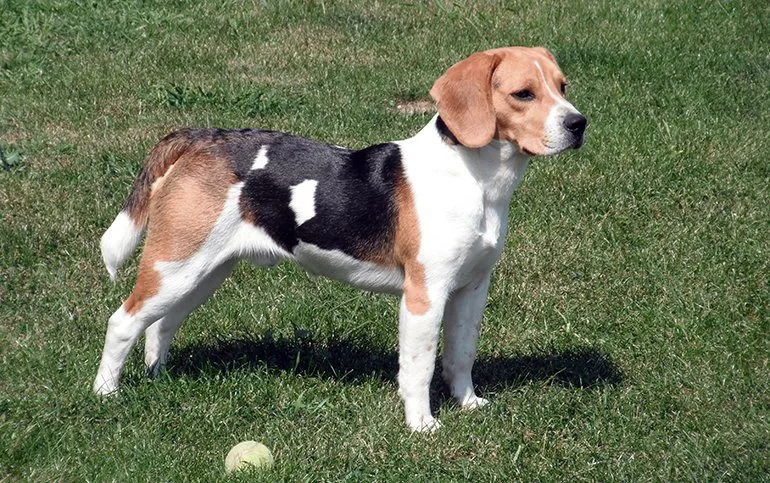
Beagle
These English dogs are believed to descend from the Talbot Hound, a now-extinct hound variety whose origins trace back to the Roman Empire. Their compact body, coat close to the skin, and long ears are their trademark. Too small to keep up with fast foxes, British peasants used them to catch hares and rabbits. Over time, they evolved into companion dogs.
This shows in their adorable character, since they're very friendly and funny. At home they're always looking to grab attention, whether to give or receive affection. Don't ignore them, or you'll wake up their mischievous side, and they'll try to steal food, sneak out under the garden fence, or howl nonstop to get your attention. Beagles are very vocal dogs, and their barking can become overwhelming if they're not properly trained.
They love to eat, and you'll need to watch their diet to prevent weight problems. Don't disturb them while they're eating, since these dogs take mealtime very seriously. Their strong sense of smell often overrides their temperament, so they need to be kept on a leash during walks so they don't dash off after an appealing scent. Their nose is useful for detecting people around a property, but they're too friendly to make good guard dogs.
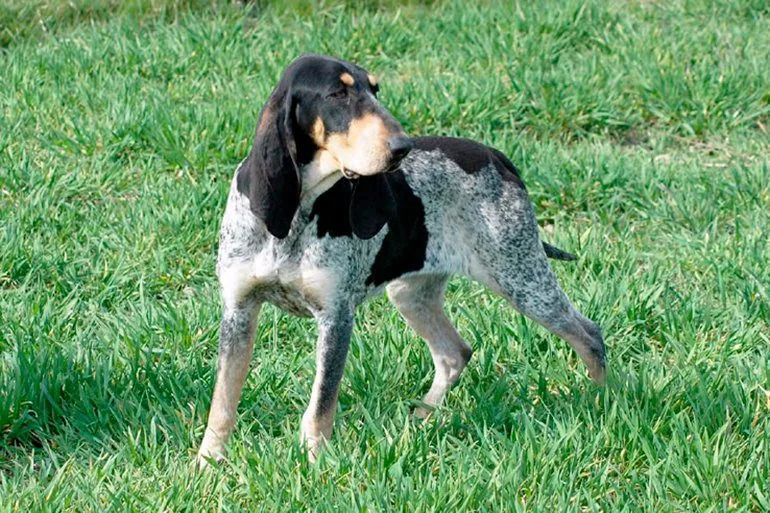
Grand Bleu de Gascogne
Recognizable by their height and beautiful white coat mottled with black spots, these imposing dogs emerged in the Middle Ages. Members of the French court preferred them over other breeds as companions during wolf, boar, and bear hunts. Their tracking ability and physical endurance are legendary; some accounts claim they could chase prey for hours.
In family life they behave in a docile, affectionate way. They get along very well with children of all ages and with other dogs. Working as a pack is in their nature. They also need a strong leader and firm training so they don't become too unruly.
Given their size, they're better suited to people living in towns or rural settings. They have huge energy reserves and need long daily walks. Although they're not aggressive, they should always be kept on a leash in public places, since they tend to chase every cat, small dog, and other animal they come across.
So, now that you know the particularities of each breed, tell us: which of these five hound varieties is your favorite?
IMPORTANT: This article is for informational purposes only and does not constitute veterinary, nutritional or behavioural advice. Every dog is different, and only your trusted vet can advise you on its specific needs.