 Care
Care
Canine Amyloidosis
Amyloidosis is a disease caused by the buildup of amyloid in different organs, such as the kidneys or liver. It's not very common, but it can be a frequent cause of kidney system problems.
Because of this, especially in certain dogs more susceptible to amyloidosis, it needs to be kept in mind when diagnosing kidney diseases. Unfortunately, it doesn't have a good prognosis.
What Is Amyloidosis?
Amyloidosis is characterized by the buildup of amyloids in organs or tissues. Amyloid is a cluster of proteins that have folded incorrectly and, when deposited in different organs, can cause various diseases.
Nowadays, the definition of amyloid has broadened, and any polypeptide that clusters into a certain structure is now considered as such. The causes behind this disease aren't clear, and there isn't much information available on how amyloids act on organs.
Depending on the characteristics of this deposit, different functional or structural changes will occur in the affected organs or tissues. In dogs, amyloidosis usually affects the kidneys. The amyloid, in this case, deposits in the glomeruli, the functional units of the kidney system, causing failure.

What Are the Symptoms of Amyloidosis?
The symptoms of this disease will depend on which organ is affected by the amyloid deposits. Since the kidney is more likely to be damaged in dogs, the clinical picture will match that of kidney disease. In Shar Peis, episodes of fever and joint problems can occur before we discover the kidney involvement.
With amyloidosis, then, we'll have nonspecific symptoms such as weight loss, lethargy, edema (fluid buildup), ascites (fluid accumulation in the abdominal cavity), etc. If kidney failure has already set in, we'll notice increased water intake and urine output, loss of appetite, nausea, and vomiting.
How Is Amyloidosis Diagnosed?
If, based on symptoms and the dog's characteristics — such as history, breed, sex, or age — the vet suspects amyloidosis, they can confirm it by looking for amyloid in the body. It's worth knowing that even if the kidney is affected, the damage won't always show up on bloodwork.
X-rays can show these organs with an abnormal or shrunken shape. Ultrasound would support this finding, but it isn't specific to amyloidosis. So, confirming the diagnosis requires a biopsy of the affected tissue. Since this test is invasive, it's only done in cases where it's essential.

What Is the Treatment for Amyloidosis?
A single treatment can't be established, since it depends on the damage the disease has caused. What's attempted in any case is reducing amyloid formation, preventing its deposit, and easing the symptoms caused by the affected organ.
Some drugs can be used based on their use in human amyloidosis patients, although in veterinary medicine there's some controversy over their usefulness and, ultimately, effectiveness. That said, it's recommended to start treatment as soon as possible, since if we wait, the medication may come too late and no longer be of any use.
In addition, symptoms need to be managed as they appear. The vet will also prescribe a high-quality diet with a low percentage of protein. The rest of the measures will depend on the affected organ and the damage caused. So, personalized treatment adjusted to each case is required.
Can Amyloidosis Be Cured?
Unfortunately, this disease is progressive and has no cure. Sooner or later, it will progress to kidney failure, in most cases where the deposit occurs in these organs. Treatments, so far, haven't been successful. The prognosis, therefore, isn't good. Affected animals usually die before two years old.
In conclusion, the vet can treat the disease but not cure it. Medications and recommendations will help improve the dog's quality of life for as long as it manages to live with the disease.
What Happens to Shar Peis With Amyloidosis?
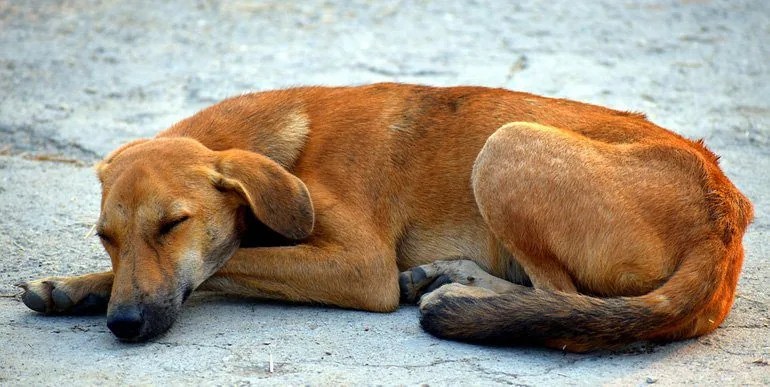
This breed can develop a type of amyloidosis known as familial, also seen in other breeds such as Beagles. Affected Shar Peis can start showing signs of the disease early, around one year of age. It affects females more, and causes kidney failure.
In the Shar Pei, this condition is hereditary. It affects the kidney the most, but the amyloid can also deposit in other organs, such as the liver, spleen, or thyroid gland. That's why Shar Peis are a risk group for this disease.
Bibliography Couto, C.; Nelson, R. (2000): capítulo 43: Glomerulonefropatías en Medicina Interna de Animales Pequeños. 2ª ed. Argentina, Buenos Aires: Intermédica. pp. 652-659. Rejas López, Juan (coord.) (2003): Patología médica veterinaria. Universidad de León, Universidade de Santiago de Compostela, Universidad de Zaragoza.
IMPORTANT: This article is for informational purposes only and does not constitute veterinary, nutritional or behavioural advice. Every dog is different, and only your trusted vet can advise you on its specific needs.