 Care
Care
Canine Ehrlichiosis
It's scientifically proven that ticks are a major source of diseases worth avoiding, such as canine ehrlichiosis. That's why hygiene and regular deworming of our furry friends is essential.
Knowing what this disease involves and how it's transmitted is important for keeping our dog healthy and protected, free from risks that can seriously affect its health.
That's why at SoyUnPerro we want to walk you through everything you need to know about this disease, which unfortunately is becoming more and more common among dogs.
What Is Canine Ehrlichiosis?
Canine ehrlichiosis is a disease caused by a bacterium of the genus Ehrlichia. It's a germ that settles in your dog's blood cells and can become chronic if not caught in time. Before reaching that point, there's an initial incubation phase, lasting from a week to a month, and an acute phase in which the dog shows multiple symptoms.
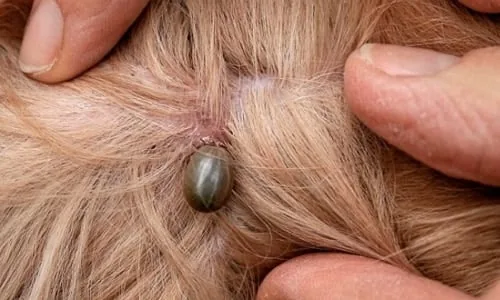
The way ehrlichiosis is transmitted is through the bite of ticks of the genus Rhipicephalus sanguineus. That's why some people refer to this condition as "tick disease." As we'll see, if caught early, the recovery outlook is usually quite good (taking into account your dog's overall health). But let's look at the most common symptoms shown by infected dogs.
Symptoms of Ehrlichiosis in Dogs
After the first weeks of incubation, which usually happen during spring and fall, the dog may show the first symptoms of ehrlichiosis. The most common are:
- Weakness, fatigue, and listlessness.
- Weight loss.
- Nasal and eye discharge.
- Fever and swollen lymph nodes.
- Pale mucous membranes.
- Lack of coordination.
- Bleeding-related signs (small red spots of various sizes and shapes) on the skin, mucous membranes, retina, nosebleeds — basically any external or internal sign of bleeding.
Occasionally, they can also have muscle spasms and other nervous system symptoms. Sometimes, edema or swelling from fluid buildup can also be detected in males' scrotum.
These symptoms can show up over a couple of weeks, and if left untreated, the disease could become chronic. If that happens, the dog can develop anemia, showing fatigue and low energy; it may also have nosebleeds, lameness, severe joint pain, depression, or loss of appetite.
At this stage, eye changes can also occur, such as uveitis, which is inflammation of the middle layer of the eye. This causes redness and cloud-like patches or, in more severe cases, retinal detachment.
Neurological signs vary widely, due to bleeding in the nervous system, which can cause paralysis. Kidney failure can also develop. In pregnant females, miscarriage is possible.
Keep in mind that ehrlichiosis can often remain latent, with no symptoms, for months or even years, until it suddenly "wakes up" when your dog becomes immunocompromised — meaning the body's natural defenses drop due to other causes, such as illness, a change in home, or simply missing you because you've been away traveling.
Diagnosis and Treatment of Canine Ehrlichiosis
Although symptoms can make us suspect ehrlichiosis, a definitive diagnosis is based on direct observation under a microscope through a blood smear.
This specific test will show whether other agents are parasitizing your dog's blood cells, such as canine babesiosis, which can also cause anemia. Based on these results, the vet will recommend the treatment they consider most appropriate.
They'll usually opt for antibiotics such as doxycycline or tetracyclines, which tend to be most effective. These antibiotics are absorbed quickly by the digestive system and your dog's health will usually start improving within 24 to 48 hours. Only if these don't work as expected will other antibiotics be prescribed, which may have more side effects for the dog.
But don't panic. Ehrlichiosis is curable, and this treatment usually works. Clinics also offer what are known as symptomatic treatments, which consist of all the supportive medications given to your dog for each specific symptom of ehrlichiosis.
That's why it's important to see a specialist as soon as possible, to get ahead of the disease and, together, make sure our furry friend stays with us for many more years.
Prophylaxis
The main measure to keep in mind is tick control, both on our pets and in their environment, especially during the rainy season and summer, when ticks tend to proliferate. There are countless products on the market for this, which should always be used under veterinary prescription.
How to Care for a Dog With Ehrlichiosis?
A furry friend with ehrlichiosis will need a series of care measures to help it recover. The main thing is to stick to the vet's treatment plan and not miss any doses, so the antibiotic works properly.
Besides medication, a diet with good energy content that's easy to digest can produce very good results. If the dog has lost a lot of weight, it can be supplemented with some nutritional supplements. Ask your vet and let them advise you on which is best.
So now you know — follow all these guidelines and your furry friend will most likely be eager to run and play with you again in no time. That said, don't let your guard down against ticks, since the dog could get sick again, and a bite from them could also infect you. Yes, that's right, because Ehrlichia doesn't only affect dogs. Humans are vulnerable too.
IMPORTANT: This article is for informational purposes only and does not constitute veterinary, nutritional or behavioural advice. Every dog is different, and only your trusted vet can advise you on its specific needs.