 Training
Canine Imprinting
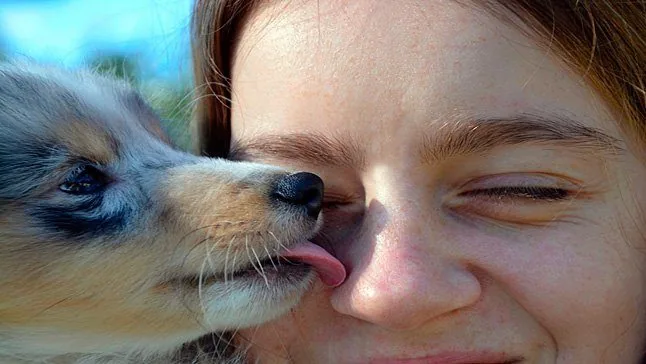
Imprinting is a term used to describe an essential stage in a puppy's life. It's a key period that will decisively shape the rest of their existence.
The concept of imprinting tends to be reduced to the puppy's training and socialisation process, and although it's closely linked to this, it goes far beyond it and involves a whole series of factors and stimuli affecting their cognitive, behavioural, physical, psychological and emotional abilities.
In this article we'll try to explain what imprinting actually involves and how to make the most of this crucial stage in a dog's life. Do you have five minutes for us?
The Importance of Proper Imprinting
Technically, imprinting refers to a very specific stage in a puppy's life, spanning from birth to 3 months old.
The most important period within this stage sits between the first two and seven weeks of life. The kind of experiences the dog goes through during this window have the biggest impact at a behavioural and psycho-emotional level.
Even so, the whole period matters a great deal for their psychological and physical health, as well as their psychomotor abilities. All of this will prove decisive for their character and the way they'll adapt to their surroundings as an adult.
Proper imprinting largely shapes traits such as the degree of aggression or tolerance towards certain situations, their willingness to take on new stimuli, future fears and phobias, affection towards other people and animals, the attitude shown during play, their relationship with other dogs and so on.
We could say imprinting is to dogs what childhood is to humans. Psychology discovered a while back now that plenty of the trauma triggered in people at certain stages of adult life had its origin in specific experiences from the early stages of their existence.
There's no reason "non-rational" animals should be an exception; even less so when we're talking about dogs, whose existence has been linked to humans' for a very long time.
Let's get practical, though: we can split imprinting into three essential phases.
First Phase of Imprinting
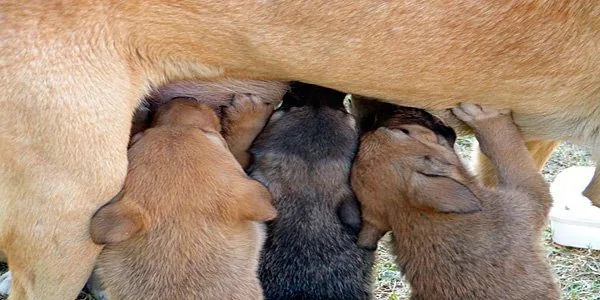
Until the puppy is weaned, imprinting is picked up exclusively through the animal's relationship with their mother and littermates.
During this initial stage, our role is purely observational. Besides making sure the mother and puppies enjoy a hygienic, suitable setting, there's little we can influence in the process.
It will be precisely the mother who's responsible for providing the basic stimuli every dog needs at birth. Unless we have no other choice, we should touch newborns as little as possible.
Around a month in, puppies already start reacting to sound stimuli and will learn to identify each of their littermates.
Second Phase of Imprinting
From the fourth week, we'll gradually get them used to human presence, taking care not to bother the mother or interrupt her care and nursing work.
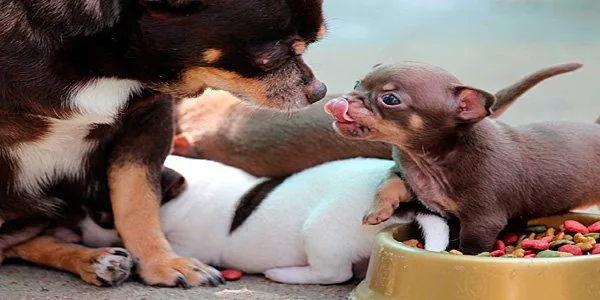
By now the puppies will already have learned to communicate with each other and will have taken on their role within the litter (hierarchy). This phase fully wraps up at two months old.
The mother still plays imprinting's most important role. She scolds the puppies, gives them affection when needed, and separates them when they fight.
They gradually learn rich canine language, through a whole range of signals mainly based on body postures, scent rituals and making sounds.
This is also the phase where they learn to know their own body, and develop their balance and psychomotor abilities generally.
Third Phase of Imprinting
This third phase spans from the puppy's weaning to 18 months old. This is when it's up to us to play the main role.
From this point on, the stimuli we expose our furry friend to will prove decisive when it comes to adapting to our world and the way they'll interact with other people, pets and every other animal.
Because of this, it matters a great deal that we start gradually exposing them to every situation they'll need to face in future.
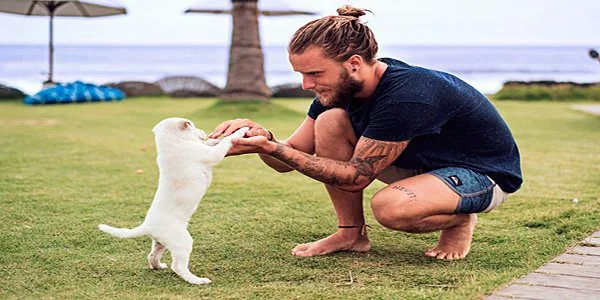
This is the time to get the puppy fully familiar with other people and to make them aware of their role in the human world. We'll also carefully introduce them to other kinds of pets and animals, helping them understand these need respecting and are just as valuable to us.
We need to bear in mind we've taken over from the mother as the animal's owners and carers, and that from now on, we're their main reference point.
In this sense, our own behaviour will also prove decisive, since it will be taken as an example to follow by our small furry companion. If we're friendly, well-mannered people, our dog will also tend to behave in a friendlier, more respectful way than if we're not.
This will also be the ideal time to expose them to every stimulus that could become a source of phobia, fear or stress in future.
For example: In the city we need to get them used to traffic noise, crowds of people, gathering spots such as bars that allow dogs in and so on.
We also need to show them the countryside and the sea, teach them to swim and so on.
And, of course, teach them to recognise genuine danger, such as fire, teach them not to cross the street without us, not to chase motorbikes or approach machines and appliances, sockets and so on.
The more frequent this early exposure to this kind of experience is, the greater their ability to face certain situations in adulthood and to lead a happier, safer life.
In this video you can see a practical, highly recommended imprinting exercise
Training the Dog During Imprinting
Notice that, except for everything relating to adaptation and socialisation, we've barely talked about actual training during the imprinting phase, precisely with the intention of separating both concepts, although they're clearly closely linked.
Imprinting shapes the quality of the training the dog will receive. Good imprinting can exist with no training, but the reverse is genuinely difficult.
In fact, there are dogs who, without having received any kind of training, are beloved animals who adapt well to their surroundings, thanks to having received good imprinting.
Below we sum up what a puppy's training should look like during the third phase of imprinting, the point from which our role becomes decisive:
- Teach the puppy to interact with people and other animals.
This is the ideal time for our puppy to come into contact with people besides the family, making them part of the human world and their place within it. It's also the ideal time to encourage play with other dogs.
It's worth introducing this gradually, having them first play with puppies their own age so they don't get hurt by dogs far bigger than them. We'll gradually expand the range so they lose their fear of contact with any type of breed.
We'll also introduce them to other animals and pets besides dogs, helping them see these are valuable to us and not a threat, so they shouldn't harm them (cats, birds, pigeons, rabbits and so on).
- Help them lose their fear of the stimuli they'll be exposed to in future.
This is another essential subject if we want our furry friend not to suffer certain phobias. Even so, we need to be patient and not force them to accept situations they don't feel ready for.
Try to encourage them through our own example, always letting them be the one to make the decision (us going into the bath first, approaching a domestic animal, getting them into the car with us and so on).
- Get them used to being alone for increasingly longer periods and sleeping in their own space.
For this, we can use a room set aside for this purpose, or even a dog crate. We'll avoid there being objects they could hurt themselves on or break, and we'll provide a pleasant setting with their favourite toys inside.
This way they'll see the situation as something positive and not as a punishment or isolation. Gradually, we'll increase the length of our absences.
Likewise, we need to set up a space and a small bed for their own rest, so they understand we have our own spot and they have theirs.
- Show them what things are genuinely dangerous for their safety
Obviously, it's also essential to help them understand they should never cross a road on their own, or approach fire, appliances and other machines.
It's one thing for them to lose their fear of the noise from motorbikes or cars, and quite another for them to chase them. Sometimes both happen at once, precisely because they perceive them as a threat.
Conclusions
Dogs can turn out to be genuinely astonishing if they've received good imprinting; even more so if this has been paired with good training.
Patience, persistence, a bit of common sense, and positive reinforcement as the master key will be what let us get the best out of our furry friend, and also the best we can offer them.
IMPORTANT: This article is for informational purposes only and does not constitute veterinary, nutritional or behavioural advice. Every dog is different, and only your trusted vet can advise you on its specific needs.