 Care
Care
Canine Perichondritis: Symptoms, Causes, and Treatment
Perichondritis is inflammation of the perichondrium, located in the ear flap. There are several causes that can trigger perichondritis in dogs. Some are as common as allergies or ear infections.
Let's take an in-depth look at the main causes of this condition and how it should be treated, always remembering it's essential for a vet to diagnose it.
Anatomy of the Canine Ear
The ear flap, also called the pinna, is a sheet of cartilage covered on both sides by a layer of skin and fur. Cartilage is a tissue made up of collagen and elastic fibers.
It provides a degree of protection to the organ it's part of. It acts as support, giving it shape, while also allowing it to move. The perichondrium is responsible for supplying blood to the cartilage, since cartilage itself lacks blood vessels. When the perichondrium becomes inflamed, for various reasons, we call it perichondritis.
What Is Canine Perichondritis?
Perichondritis is one of the problems that can affect a dog's ear flap. The ear can suffer damage from injuries, being a vulnerable part of the dog. It can easily get hurt, for example, from a bite in a fight with another dog or scratches from a cat.
But it can also be affected by infections inside the ear or by systemic conditions such as allergic or autoimmune skin diseases. Perichondritis is defined as inflammation of the perichondrium, the membrane covering the cartilage, in this case in the ear.
Symptoms of Perichondritis in Dogs
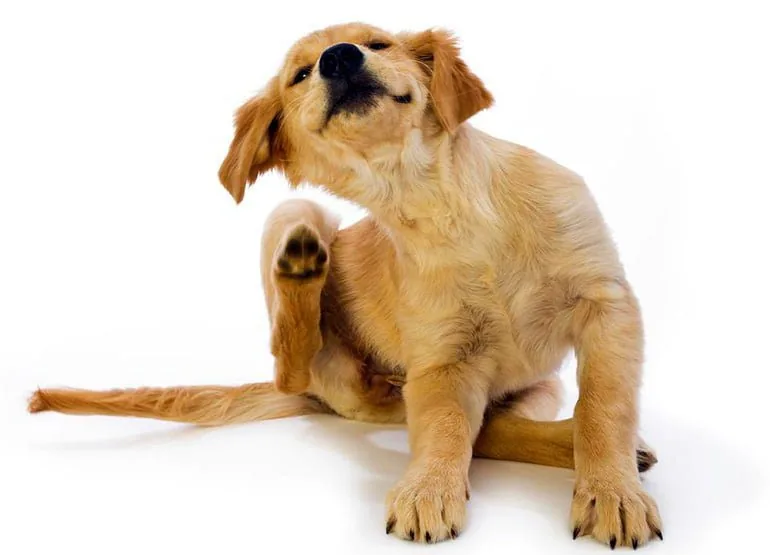
When the perichondrium becomes inflamed, we'll notice a change in the ear flap that appears suddenly. This will be visible as a kind of abscess-like pouch containing pus, and it's very painful for the dog.
If the dog has an ear infection, has a wound of varying severity on its ear, or scratches excessively, we should stay alert, since it's at risk of developing perichondritis.
External Otitis as a Cause of Perichondritis
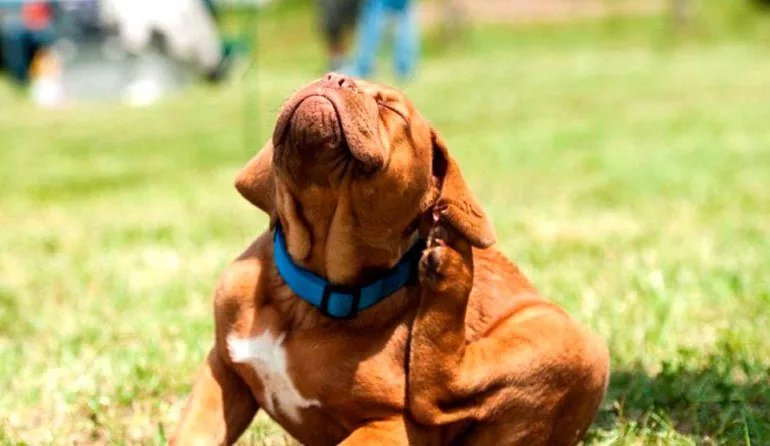
We need to consider the possibility of perichondritis in dogs suffering from external otitis, meaning an infection in the outermost part of the ear canal. With this condition, it's common for the dog, due to the discomfort it feels, to scratch its ear or shake its head.
This picture is what could end up triggering an aural hematoma and subsequent perichondritis. That's why it's important that, at any sign of ear trouble, we take the dog to the vet.
Aural Hematoma Causing Perichondritis
Perichondritis can appear as a complication of an aural hematoma, or ear hematoma. This is a buildup of blood in the ear flap, specifically between the cartilage and the perichondrium. It normally forms when the dog shakes its head violently or scratches intensely. These signs usually occur when there's otitis.
Treatment for an aural hematoma involves draining the blood. It's important to treat it, since otherwise the ear can end up deformed. Draining the hematoma is meant to prevent perichondritis from complicating the picture, following strict aseptic technique and prescribing antibiotics as a preventive measure.
Of course, these measures need to be carried out by the vet. In mild cases, cleaning can be done with just a needle and syringe. But in more serious cases, surgery is required.
Bite Wounds
After a fight, we can easily find a wound on the dog's ear flap. Even if it looks like a superficial injury, it's important to disinfect it thoroughly. If the wound is deep, very extensive, or bleeds excessively, it's best to see the vet.
These recommendations are because, if the wound was caused by a bite from another animal, it can easily get infected and build up pus, given the amount of bacteria present in dogs' or cats' mouths. That's why we need to watch these wounds closely to prevent them from becoming complicated by perichondritis.
Allergies Leading to Perichondritis
Allergies are becoming more and more common in dogs. When dogs suffer from atopic dermatitis or food allergies, the ear will also be affected. Specifically, the dog will feel itching in the ear, and from scratching it continuously, lesions will develop. We'll see wounds, scabs, and hair loss in the area.
This picture can become complicated by perichondritis. Other times, we ourselves trigger this process. For example, if we think our dog has an ear infection and medicate it on our own. Some drugs can trigger contact allergic dermatitis.
Dermatitis can also develop after a fly or horsefly bite. These types of situations require veterinary intervention. Not only does the ear need local treatment, but the underlying condition triggering it needs to be found and controlled.
What Is the Treatment for Perichondritis?
This condition requires veterinary care. First, we need to find the cause behind the inflammation. If we don't resolve it, we can treat the symptoms, but the picture will keep recurring and even become more complicated.
To resolve perichondritis, antibiotics are given orally or by injection. Depending on how severe each case is, draining the pus and thoroughly disinfecting the area may be needed.
Bibliography Aspinall, V. 2012. Manual completo de la enfermería veterinaria. Badalona. Editorial Paidotribu. Carlson and Giffin. 2002. Manual práctico de veterinaria canina. Madrid. Editorial el Drac.
IMPORTANT: This article is for informational purposes only and does not constitute veterinary, nutritional or behavioural advice. Every dog is different, and only your trusted vet can advise you on its specific needs.