 Breeds
Chow Chow
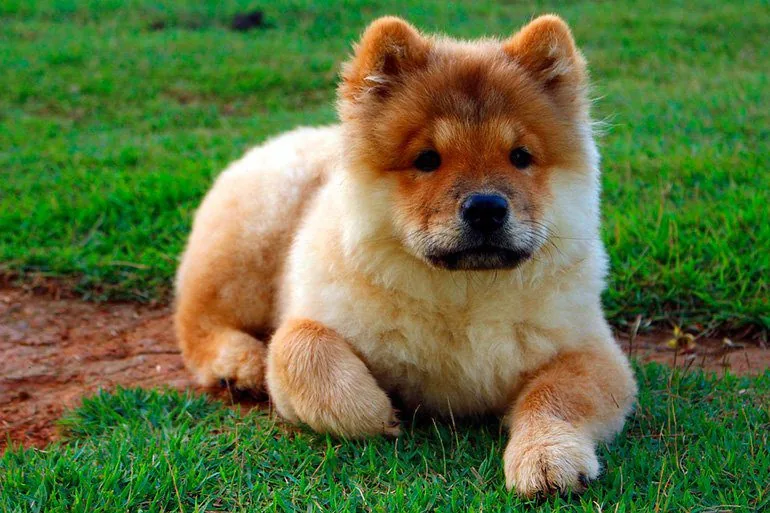
The Chow Chow breed originates in China. It stands out for its imposing looks, both in size and in its thick mane, a feature that earns it the nickname "panda dog." But don't let that adorable appearance fool you: this is a breed that's difficult to care for and prone to aggressive reactions.
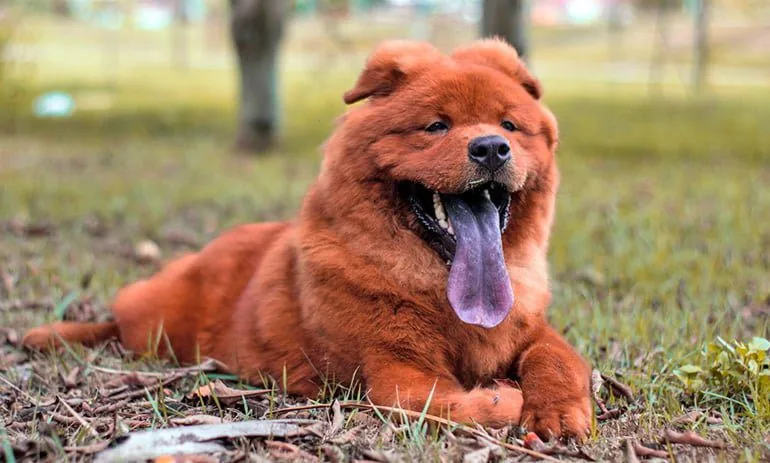
Another distinctive trait of this breed is its black or blue tongue, making it one of the few dogs with this feature. Want to know more about the Chow Chow? Learn everything about it and its main care needs below!
What Is the Origin of the Chow Chow Breed?
The Chow Chow's history begins in China, where it was bred 2,000 years ago. In that country it was used as a guard dog and hunting dog for noble families.
This breed remained unknown to the rest of the world until 1800, when it began being brought to other countries. In 1820 it was exhibited at a London zoo, and breeding began in Britain thanks to Queen Victoria's fondness for dog breeds. It wasn't brought to America until 1890.
Physical Characteristics of the Chow Chow
This is a large dog breed with a compact, powerful body, though with a short back. Its legs are muscular and not very long, giving it a slightly rolling gait when it walks.
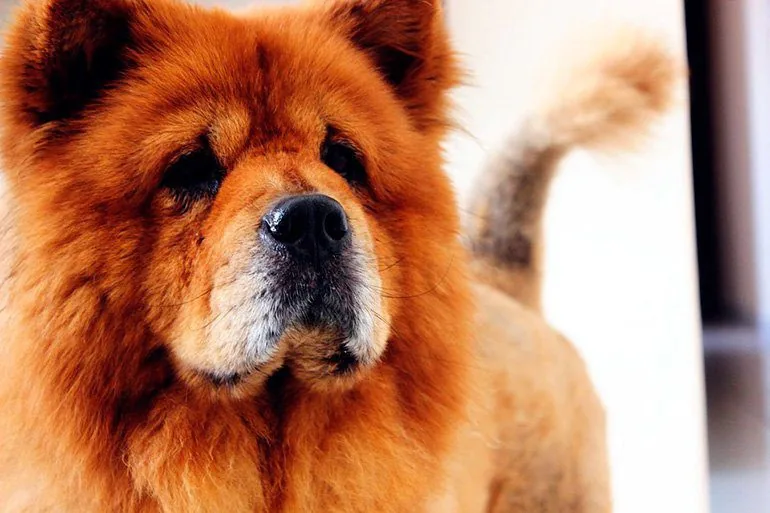
The nose is large and black in most cases, though some light-coated dogs have a less pronounced nose color. The eyes are dark and oval, while the ears are pointed and stand straight. The muzzle isn't very long, ending in a rounded shape that gives the breed its "panda dog" nickname.
One of the breed's most notable traits is its tongue color, black or dark blue. This comes from the pigmentation of the tongue's inner tissue.
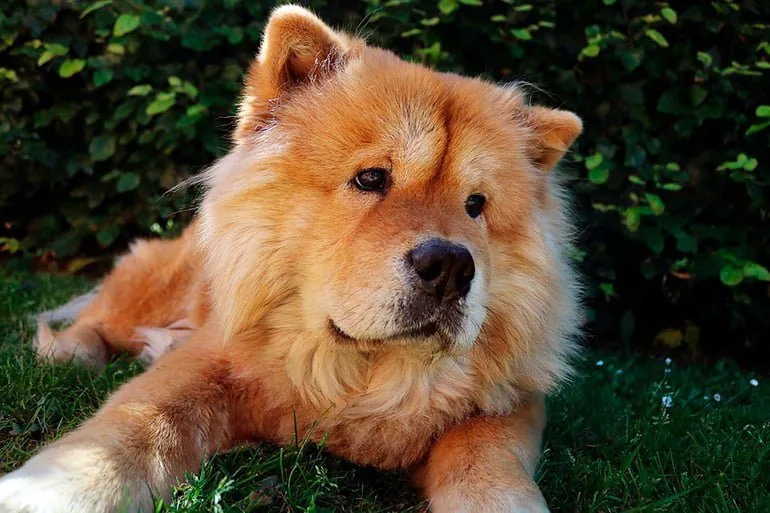
As for the coat, it can be long or short. The long variety is fluffy, standing out for its thick mane that gives the dog an imposing yet adorable look. The short coat, on the other hand, is dense, straight, and plush in texture. Colors vary widely: black, chestnut, fawn, red, cream, and white.
 Height between 48 and 56 cm in males and between 46 and 51 cm in females
 Weight between 20 and 31 kg in both males and females
 Short or long coat, thick, in a wide variety of colors
 Territorial, dominant temperament; needs proper socialization
 Strong health but predisposed to certain conditions
 Estimated life expectancy of between 8 and 12 years
Temperament and Personality of the Chow Chow
This is a dominant, territorial dog breed, so these traits need to be properly channeled. The Chow Chow tends to be stubborn, which is why it isn't recommended for people without experience training or handling dogs.
Once properly trained, the Chow Chow's temperament is calm and peaceful. It naturally takes on the role of a guard dog, and for that same reason tends to be wary of strangers.
It's not advisable to let strangers approach and pet it in parks or during walks, since it could react aggressively due to its reserve around unfamiliar people.
It's a very intelligent dog, but needs early training to steer behaviors that could become problematic at home. When well socialized, some owners find it gets along fine with children.
Recommended Care for a Chow Chow
Despite its heavy-set appearance, the Chow Chow is a dog that needs daily physical activity. Unlike other breeds, running isn't really its thing; it does better with walks, even several times a day, half an hour each time.
Excess energy can also be burned off with at-home training using toys. Moderate-intensity activities that don't require high-impact effort are ideal for the Chow Chow.
A Chow Chow's behavior will always come down to how it's been trained. Without proper socialization, it tends toward aggression, dominance, and territoriality. For that reason, its care routine should include intense socialization from puppyhood, letting it interact with different pets and different people.
Coat Care and Recommended Diet
Another key area of care is the coat. It needs brushing two to three times a week with combs suited to the coat type, whether long or short. A monthly bath is also recommended, which helps keep the coat soft, fluffy, and clean.
You need to be especially careful with external parasites like fleas and ticks, since they take hold easily in such a thick coat. Apply spot-on treatments and/or anti-parasite collars or tablets regularly.
Since it doesn't engage in intense physical activity, you need to pay close attention to its diet. Avoid overfeeding it treats or dog snacks. Generally, a low-carbohydrate kibble is recommended. If you're unsure about your Chow Chow's ideal weight, don't hesitate to check with your vet. As an extra tip, salmon-based kibble adds shine to the coat.
Tips for Chow Chow Puppies
It's very important to properly train a Chow Chow puppy from day one; otherwise, it will develop a stubborn, dominant, disobedient personality. They learn easily, but you'll need patience to keep them in check. From puppyhood, teach it to eat from its bowl only when told to, and avoid feeding it from the table so it doesn't get used to it.
- Tips for properly training a dog
To prevent unwanted behavior, don't let it get used to sleeping on the sofa or climbing onto the bed. Using positive reinforcement is the best way to train a dog: reward it when it behaves well, and correct unwanted behavior with a firm "NO!" Never shout at it or use violence to train it.
Common Diseases in the Chow Chow Breed
This ancient breed tends to be prone to the following conditions:
- Hip dysplasia: a hereditary, degenerative disease that affects the joint between the hip bone and the femur. The dog will show limping, pain, and difficulty with physical activity. It requires veterinary care, diet, and specific exercises to improve quality of life.
- Elbow dysplasia: affects the elbow joints in the dog's front legs. It's a hereditary condition, but can also be caused by injury. It causes pain, limping, and can lead to arthritis.
- Allergies: the Chow Chow is prone to food allergies and skin allergies. For that reason, watch for skin irritation, behavioral changes, swelling around the eyes, and other unusual symptoms.
- Entropion: an eyelid abnormality. As a result, the eyelashes rub against the cornea, causing inflammation, tearing, pain, and ulcers. Some Chow Chows are born with this problem, while others develop it as they grow.
IMPORTANT: This article is for informational purposes only and does not constitute veterinary, nutritional or behavioural advice. Every dog is different, and only your trusted vet can advise you on its specific needs.