 Training
How to Socialise a Dog
Whether we live in a natural setting surrounded by various animals and nature, or in a town or city, we need to pay special attention to properly socialising our puppy or adult dog.
Socialisation will help our dog live alongside their surroundings, respect people and, of course, other dogs, not be aggressive, and above all, live without fear. It's such an important process that most behavioural problems in adult dogs stem from poor socialisation as puppies.
- Don't miss: What to do to train a puppy
What Is Socialisation in Dogs?
Let's say it could be summed up as the way we teach our puppy or adult dog to live within their surroundings while respecting other animals and humans. Socialising is our term for the act of entering society, and it's a genuinely important process everyone needs to follow.
It needs to happen while they're puppies, after they've been vaccinated to avoid unnecessary risks. During socialisation, our puppy will come into contact with other animals, so we must wait until we have every necessary vaccine before going out on the street.
Our puppy or adult dog needs to socialise with other dogs and different animals, besides humans, of course. The difference between a kind, respectful, well-trained dog and an aggressive one lies not just in their training, but also in the way they've been socialised throughout their life.
This Is How to Socialise a Puppy With Other Dogs
When we go out for a walk with our puppy, we should go to areas with more dogs, so they can interact with them. If we're a little worried about other adult dogs hurting them, we can check with their owners beforehand to make sure they're not aggressive dogs.
The best age to start socialising our puppy is from 3 months old, both with other dogs and with adults and children.
Dogs get to know each other and greet each other by sniffing each other's parts — they sniff each other's bottoms and genitals too, sometimes even licking. This is entirely normal, and we should let our puppy do it — it's their way of introducing themselves to other dogs.
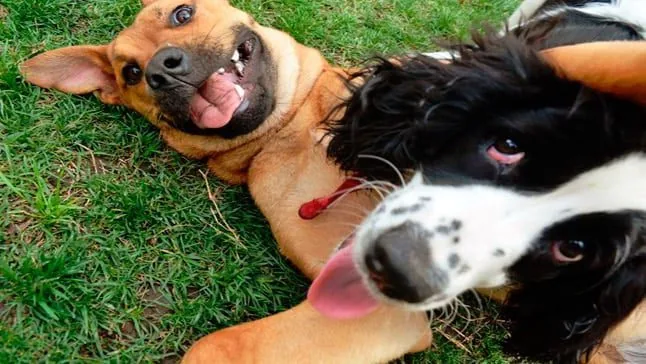
The best way to socialise our puppy is letting them get to know other dogs, play with them, and even squabble a little. They set their own limits and have their warning signals when something they don't like happens (they growl a little), so we simply need to let nature do its own work.
It's also highly advisable to invite friends who have puppies or adult dogs over to our home, where our puppy will obviously also be. Our puppy needs to understand that other dogs can come into the house and be there playing with them or getting to know them.
Contact with dogs of different ages and breeds will teach our puppy to respect other dogs and live peacefully alongside them.
How to Socialise a Puppy With Humans?
Our puppy learning to live alongside humans matters just as much as learning to live alongside other dogs. We should ask other dog owners or our friends to stroke and play with our puppy.
Even if we have children, we should let them play with them (always under our supervision, though). Our puppy needs to learn to let strangers touch and stroke them, the same way they would with us.
Asking friends and family to come over regularly is an excellent habit for our puppy to socialise and understand that everyone we invite can come into the house. This matters a great deal to prevent them becoming territorial in future.
Walking through busy, noisy parts of the city can help our dog overcome their fears. Even so, we need to do this gradually to avoid causing them trauma.
Puppies tend to bite everything and sometimes hurt our hands — they do this while playing, so we should never get angry, but we should teach them to play with their toys and not bite humans.
Most Common Mistakes When Socialising a Dog
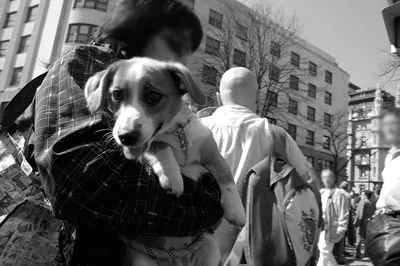
Plenty of people pick their dogs up in their arms or move them away while walking when they cross paths with bigger dogs… that's a huge mistake that will strengthen fear in our puppy.
Other people simply don't let their dog or puppy sniff other dogs' bottoms or genitals — that's another big mistake that will stop our dog properly socialising.
Some don't even let their dogs play with other dogs because they nip each other's necks or occasionally yelp a little… When dogs play, it's normal for them to nip each other, even accidentally hurting each other a little. They need to be allowed to play and learn to have their own limits — otherwise we'll be making another big mistake in their training and socialisation.
We should never scold our puppy or adult dog for trying to meet other dogs or play with them, let alone for going to greet them. Even so, it is advisable to scold or correct our dog when they show aggressive behaviour, to let them know it's not acceptable.
What Happens if My Puppy Doesn't Socialise?
Poor socialisation, or bad practice during it, will cause our dog not to respect other dogs or humans and to live in fear. A fearful dog is a dog who can be very dangerous, since fear can push them towards aggressive behaviour.
Plenty of problems with aggression, fears, excessive barking, and a very long etc… stem from poor socialisation during puppyhood. Dogs should enjoy other dogs' company entirely calmly (though there'll always be some dogs they get on better with and others a little worse, which is entirely natural).
If we have a dog who isn't socialised, we should try to socialise them ourselves following the advice set out here, or see a trainer to help us with the process.
Can an Adult Dog Be Socialised? Yes
Before trying to socialise an adult dog, we need to know whether we're dealing with a dog with aggressive tendencies or not. If they're a bit aggressive and we know they could bite other dogs or people, we should always carry out these practices with a muzzle. An adult dog is one over twelve months old.
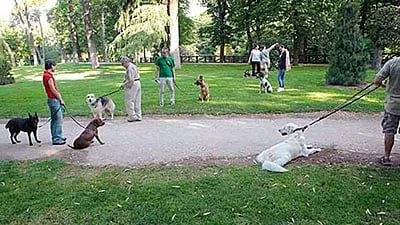
It's highly advisable to go on long walks through areas with people walking or working and other dogs out for a walk. We'll try to approach other dogs out walking so they can sniff each other — the best approach is getting close slowly and without fear, since our dog can pick up on our nervousness.
When our adult dog shows a positive attitude towards other dogs, we'll reward them with a natural dog biscuit or whichever reward we usually give them. If, on the other hand, they show a nervous or aggressive attitude, we'll calmly move away until our dog relaxes.
We should walk near dog parks, but not let them off the lead. We'll only walk around the outside so our adult dog can see other dogs and, on some occasions, greet the ones who come up to the fence. If our dog greets them with no aggression (they try to sniff them), we'll give them a reward, to link the positive behaviour.
We can ask a friend who also has a dog to come walking with us — this way our dog will learn to walk alongside other dogs and copy the behaviour of one who is well socialised.
It's a slow process, but one that, done properly, brings great benefits to our adult dog, since we're teaching them to live in society. Once our dog shows signs of being friendly, we can let them interact with other dogs and play with them.
We should avoid at all costs using balls, sticks or toys that could create tension between dogs. Some are highly possessive over their toys, and this could worsen the situation rather than improve it. Even so, if we feel unable to manage it, we can seek help from a dog trainer.
IMPORTANT: This article is for informational purposes only and does not constitute veterinary, nutritional or behavioural advice. Every dog is different, and only your trusted vet can advise you on its specific needs.