 Breeds
The Best Guard Dog Breeds
Although any dog, purebred or mixed, can turn out to be an excellent guardian, certain breeds and their crosses stand out as especially skilled at watchdog duties.
A dog being effective at this role doesn't mean it should live isolated from the family, or be treated as a mere alarm system. All dogs need the same care and attention.
What Do We Mean by "Guard Dog"?
In this article, we'll be referring to dogs that seem to have a natural aptitude for watching and defending their territory. This means they quickly spot potential intruders, raise the alarm, protect their home and family, and, if it comes to it, may even attack.
A dog having guard-dog traits doesn't mean it's unsuited to family life or that it should only be chosen to watch over property. In fact, every dog, regardless of its aptitudes, needs to be part of a household, well socialized, and in close contact with people.
German Shepherd
As its name suggests, this dog is native to Germany, where it appeared in the 19th century. It was originally used to watch over sheep flocks, but over time, and with its widespread popularity, its role has diversified, and today we find it as a companion, assistance, security, and police dog, among others.
Although we have a mental image of what the German Shepherd looks like thanks to its popularity in TV and film, there are actually different varieties with colors that include white or black, plus different coat lengths.
It's a dog that can live outdoors but also adapts to urban settings. A great student for any kind of training, it needs a lot of activity. It's a good guard dog thanks to the protective instincts it's retained since its days as a livestock herder. Its alert nature and intelligence help too.
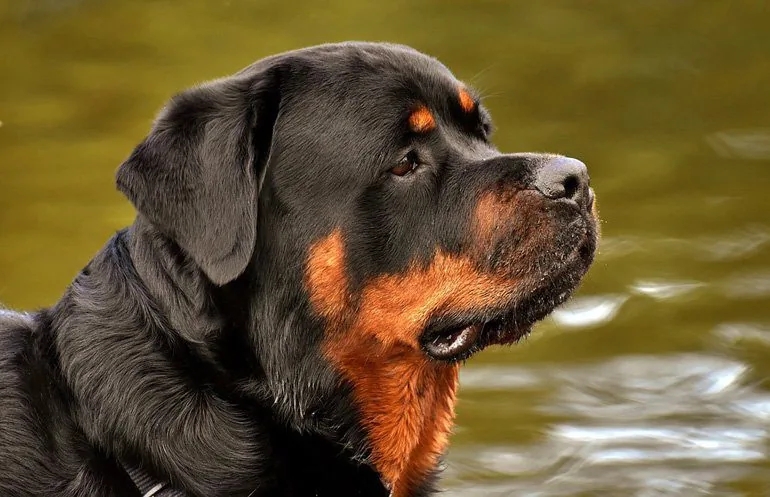
Rottweiler
The Rottweiler is an imposing dog with powerful jaws, hugely popular a few decades ago. It also originated in 19th-century Germany, and its first job was guarding livestock and hunting wild boar. Today it's a companion dog, also sought after for guard or police work.
This breed, like others we've mentioned, is considered potentially dangerous. This means owning one requires administrative paperwork and taking out insurance. They also must always be walked on a leash and with a muzzle.
It's a large, sturdy dog. Its short coat doesn't need much care. It does need plenty of activity, though it can live in the city. A quick learner, obedient, and a good guardian thanks to its boldness, which traces back to its origins as a cattle-driving dog and has since been redirected toward protecting property.
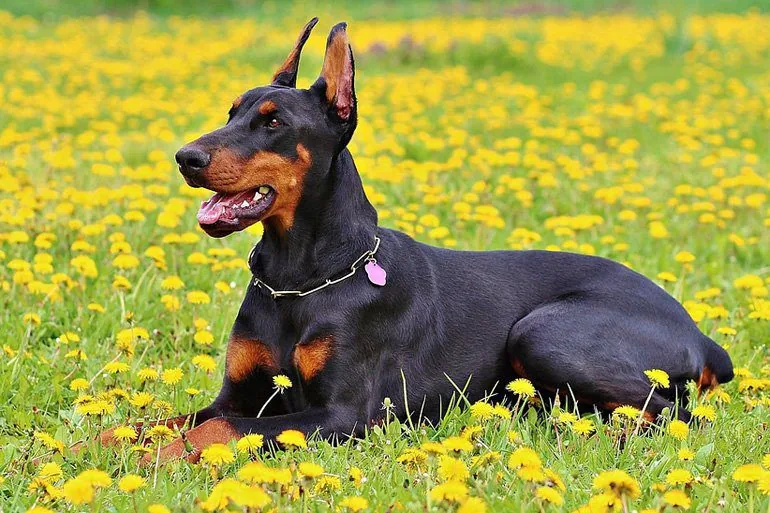
Doberman
The Doberman is another German dog, created in the 19th century for watch duties. Today it still serves this function but has also become popular as a companion animal. A few decades ago it was hugely popular and common in households, though it's less so today.
This elegant dog, despite appearances, tends to be affectionate. It's obedient but needs proper socialization and training to avoid behavioral issues. Attention should be paid to its heart, since heart conditions are increasingly detected in this breed.
Its short coat means it doesn't need excessive care. It can also live perfectly well in the city — in fact, it doesn't handle the cold of outdoor living well. It's a good guard dog thanks to its wariness toward strangers.
Mastiff
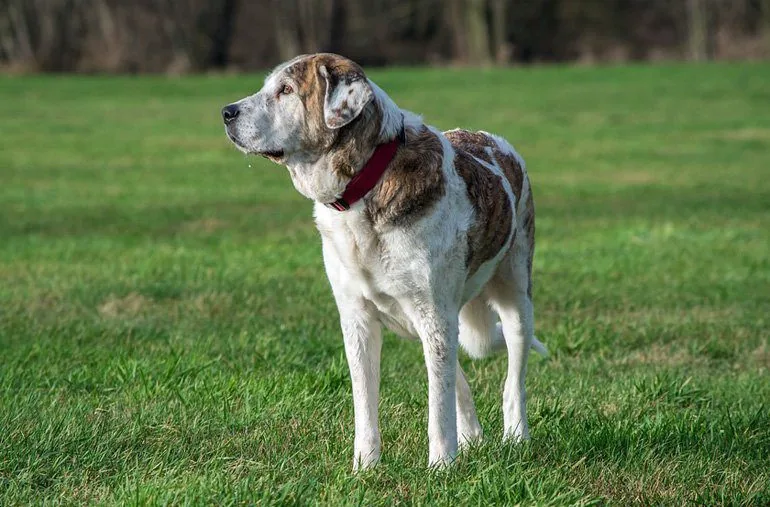
Although there are different Mastiffs — the Argentine, the Neapolitan, the French, or the English — sharing basic traits, we'll focus on the Spanish Mastiff, since it's seeing a resurgence in its role as a watchdog, in this case for cattle and sheep flocks. It's returning to the job it was originally created for.
Although its origins aren't entirely clear, it's likely descended from dogs brought to Spain by the Phoenicians and Greeks around 2,000 years ago. For centuries it has protected flocks from wolves. It's also an ideal companion dog, though because of its size, it isn't very popular in that role. It's obedient but needs proper training.
It's a dog used to withstanding harsh weather. Its coat needs regular care. It doesn't need much activity and, of course, makes a good guardian. Its protective character helps with this, since the breed was developed to look after livestock, along with its enormous size.
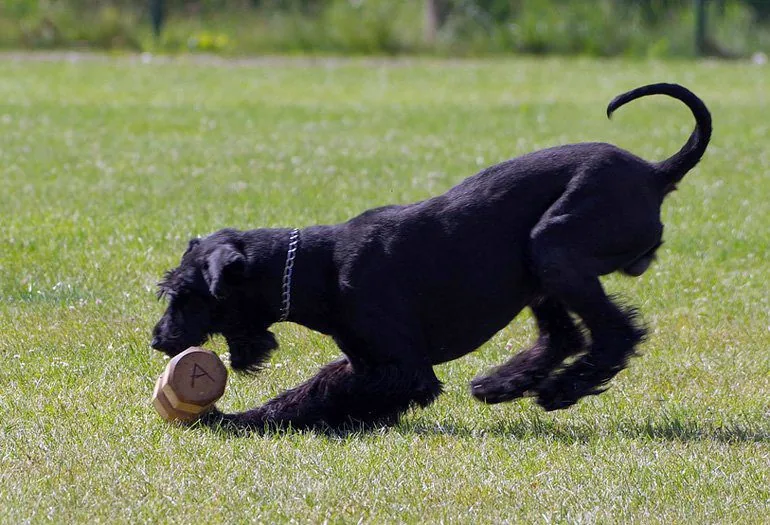
Giant Schnauzer
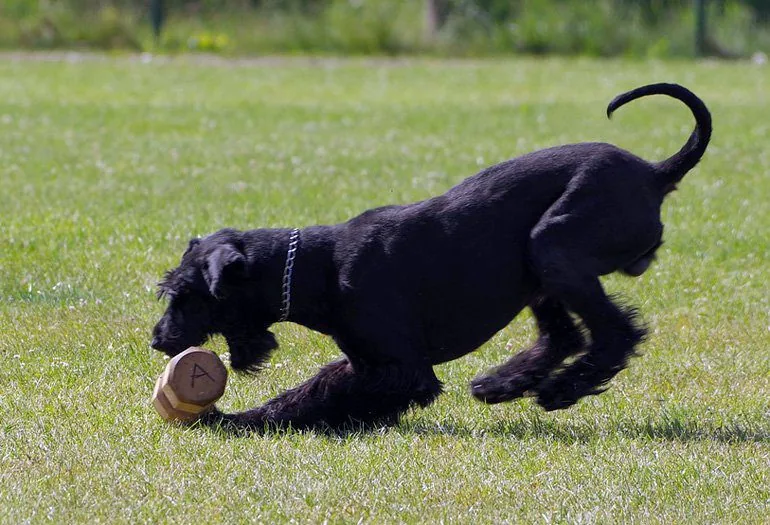
This breed is another with origins in Germany. It was originally used to watch over livestock. Today it's widespread as a companion dog, though it can also be trained for service work thanks to how easily it learns.
It's the largest of the German Schnauzers, developed by increasing the size of the Standard Schnauzer. The size difference was so notable that when it was first exhibited in Munich in 1909, it was called the "Russian bear Schnauzer." It tends to suffer from joint problems.
It adapts both to outdoor living, since it handles the cold well, and to urban settings. It doesn't need much exercise. It's a good student and, on top of that, excels as a guardian thanks to being very territorial and reserved with strangers.
IMPORTANT: This article is for informational purposes only and does not constitute veterinary, nutritional or behavioural advice. Every dog is different, and only your trusted vet can advise you on its specific needs.