 Breeds
Czechoslovakian Wolfdog
The dog breed most similar to its origins, the wolf, is without a doubt the Czechoslovakian Wolfdog. Developed by crossing a Carpathian wolf with a German Shepherd, then selecting the most sociable dogs to continue the breed's line.
Although it's a trendy breed thanks to its appearance in the film Alpha, the truth is that given its traits, it isn't a recommendable dog for most people. Let's get to know this breed a bit better and see why.
Physical Characteristics of the Czechoslovakian Wolfdog
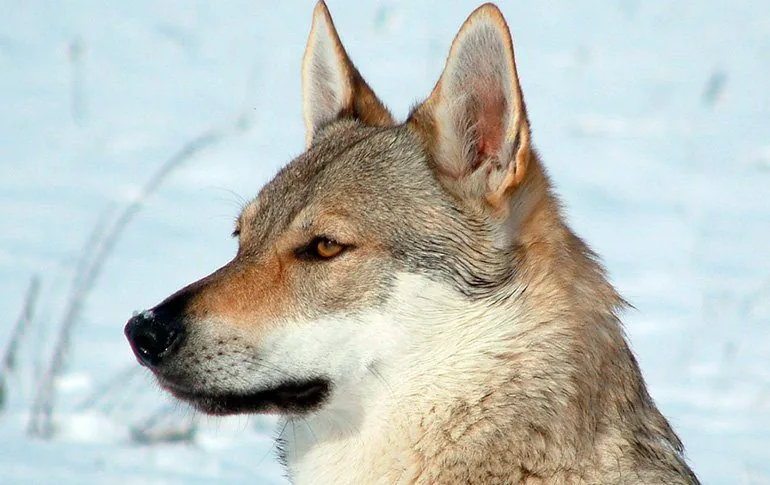
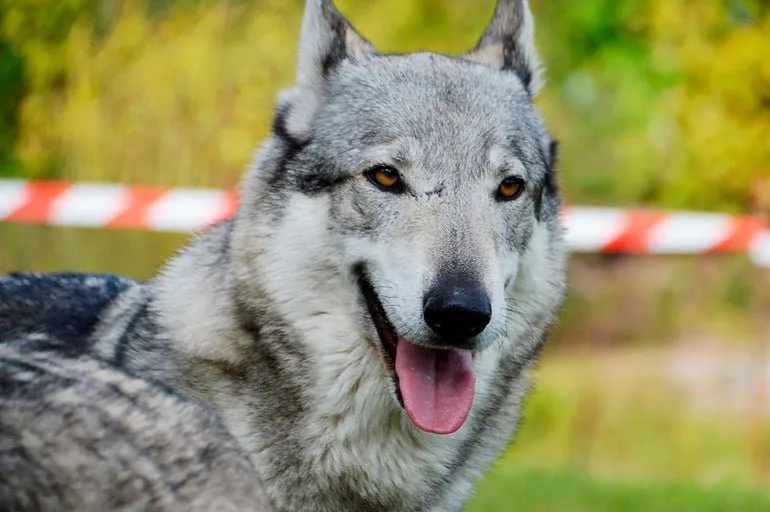
Physically resembling a wolf, this is a large breed. An athletic body covered in an abundant, medium-length coat. Coat color is grayish in all its shades.
The mask is always lighter than the rest of the body's color. Light-colored eyes, usually yellow. Its tail is strong and bushy, similar to a fox's. Physically, you could say it looks like a German Shepherd, but with a wolf's coloring.
 Height of approximately 65 cm in males and approximately 60 cm in females
 Weight of approximately 26 kg in males and approximately 20 kg in females
 Medium-length coat, very thick with a woolly undercoat. Light gray, dark gray, or silver in color
 Strong, not especially sociable temperament
 Strong health, with no known hereditary problems
 Estimated life expectancy of 13 to 16 years
 Temperament of the Czechoslovakian Wolfdog
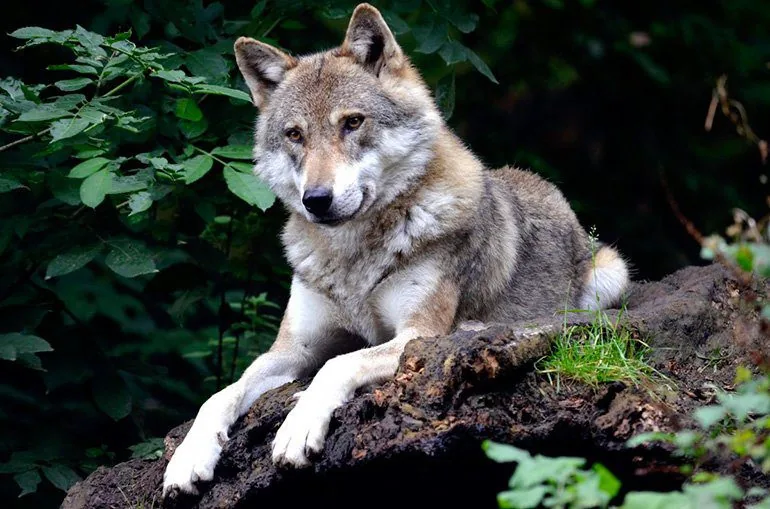
As much as we'd like a companion dog to be different, the Czechoslovakian Wolfdog (CSV) has a temperament that isn't especially sociable, and can even turn destructive at times. It's not a dog recommended for people without experience in dog training.
This breed has the temperament of a wolf: solitary, energetic, and highly intelligent. But not very sociable with humans or other animals. So if you do decide to buy or adopt one, it's strongly recommended to start socializing it from puppyhood.
It's not a breed recommended for families with children or for people with a comfortable, low-effort lifestyle, since it requires plenty of stimulation and mental challenges every day to feel fulfilled, on top of a lot of physical exercise.
It doesn't get along well with other dogs or animals, so it's not the ideal pet to take to a dog park, nor for sharing a home with other pets.
What Care Does a Czechoslovakian Wolfdog Need?
First of all, this breed needs a very experienced dog owner, someone who knows how to handle unwanted behavior problems and can understand and accept this breed's temperament.
The Czechoslovakian Wolfdog (CSV) needs a huge amount of daily physical exercise, and we're not talking about four short walks — we mean literally running for at least an hour a day. And ideally out in nature, since it's not a city dog.
Given its high intelligence, its mind needs stimulation too, through intelligence games and/or tracking, since its sense of smell far outstrips that of most breeds.
As for its coat, it needs brushing several times a week to remove dead hair, prevent tangles, and clear away dirt. Protecting it against parasites like fleas and ticks is also something to keep up year-round.
Its diet is perhaps the simplest and most complicated part at the same time, since it doesn't easily accept commercial dog food. It strongly prefers natural feeding based on fresh products, with quality meat protein (a BARF diet).
Health of the Czechoslovakian Wolfdog
This breed doesn't have hereditary genetic problems, so generally speaking we can say its health is very strong. Over the years its joints will wear down, so using joint supplements is highly recommended.
Among the possible health problems it can develop, the following stand out:
- Elbow dysplasia
- Ear infections
Keeping vaccinations up to date and scheduling regular vet check-ups is enough to keep it healthy and protected against the main canine diseases.
How to Know If My Czechoslovakian Wolfdog Is Purebred?
When buying or adopting a Czechoslovakian Wolfdog, you can ask for its pedigree certificate and that of its parents to confirm its purity. The Fédération Cynologique Internationale also sets out the breed standards in its records.
You can also join Facebook groups related to the breed, where members can answer any questions you have about its care, temperament, or where to get a CSV.
- Czechoslovakian Wolfdog Friends group on Facebook
Or if you're looking to adopt or rescue a Czechoslovakian Wolfdog, you can do so through the Chandrakant Sanctuary page, dedicated to sheltering abandoned dogs of this breed:
- Chandrakant Sanctuary Page — CSV Sanctuary
IMPORTANT: This article is for informational purposes only and does not constitute veterinary, nutritional or behavioural advice. Every dog is different, and only your trusted vet can advise you on its specific needs.