 Care
Care
Diseases Spread by Fleas
When we accept the responsibility of adopting a dog and sharing our life with it, we also take on the obligation to look after its health. This obviously includes keeping it free of parasites such as fleas, ticks, or intestinal parasites.
We're not aware of the danger of the diseases fleas spread — we think they can only bite and bother, but the truth is they can also transmit serious diseases to both dogs and humans.
At Soyunperro we'll explain everything you should know about these annoying parasites, how to spot them, how to get rid of them, and the health problems they can cause us.
How to Know If the Dog or We Have Fleas
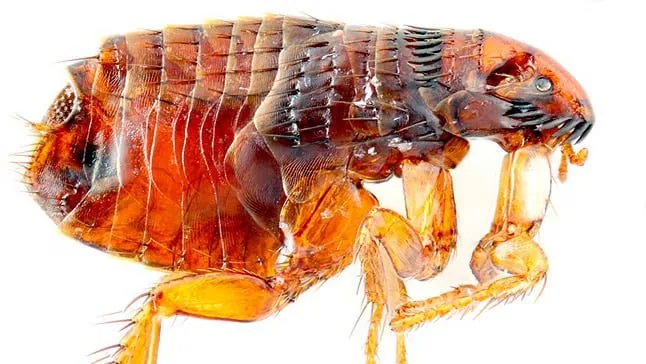
Fleas are small external parasites that feed on animal blood, and occasionally human blood. They're millimeter-sized, and their appearance can be seen macroscopically with the naked eye, since they move in small jumps and are dark-colored.
On a walk through the countryside, if they can choose, they'll always prefer the dog, since they feel more comfortable and sheltered in areas with plenty of fur.
To know if a dog has fleas, we need to watch it and see if it scratches more than usual. Fleas are very bothersome for dogs and cause exaggerated scratching and even some skin irritation, especially along the back.
Parting the dog's fur with our hands, we'll be able to see whether there are small black dots on its skin moving from side to side. If we see them, they're fleas.
To know if a human has fleas, the process is similar though simpler — if we notice excessive itching in different parts of the body, we probably have fleas. But to be sure, we need to look for the bites.

What Health Problems Can Fleas Cause?
Unfortunately, fleas aren't harmless parasites — besides how bothersome they can be from the itching they cause (their saliva), they can also carry and spread many diseases, to both the dog and us. Symptoms usually include: hair loss, redness, hyperkeratosis (dry skin)…
In addition, many dogs and humans show hypersensitivity to their bite (FAD), meaning that if a flea bites us, we can have a skin reaction very similar to dermatitis or an allergy. This is caused by an allergen in the flea's saliva, and these cases are very itchy.
These are some of the diseases fleas transmit through their bite:
- Dipylidium caninum: also known as canine tapeworm, this is a worm that develops, grows, and feeds inside the dog's intestine after it swallows a flea carrying this parasite. It generally only affects dogs (it can also affect children), and medication needs to be taken to eliminate it, or it will cause intestinal problems.
- Black plague: this might sound a bit alarming, but this disease is common in rats, which also carry fleas that can be picked up by the dog, allowing it to catch the disease. It's unlikely, since nowadays it's eradicated in 98% of countries, but there's always a risk of it spreading to humans.
- Lyme disease: this is a complex disease common in Nordic forests that affects wild animals as well as dogs and humans. It's not usually fatal, but its symptoms can be quite unpleasant for our pet. The main symptoms of Lyme disease are: arthritis, joint deformity (and, as a result, intermittent chronic limping), carditis, nephritis, and fever.
Most of these diseases are not very developed in Spain, but there's always a risk. If we know we're infested with fleas, we should see a doctor to make sure there's no problem like the ones mentioned. Likewise, if the dog is infested, we should take it to the vet.
How to Prevent and Eliminate Fleas
Being aware that fleas will most often arrive lodged on the dog, whether because it already had them when we adopted it or because it picked them up on a walk or while playing with other dogs, the best option in this case will be treatment. But much more effective long-term is prevention.
We can and should apply preventive treatments on our dog to prevent it from catching fleas and other types of external parasites. For this, we can use the following products:
- Chewable "bravecto" tablet (fluralaner) to eliminate current fleas and any it picks up over three months.
- Anti-parasite collar.
- Spot-on.
- Keeping the dog clean: brushing it often and bathing it regularly.
The first three options can be found at vet clinics and are affordable. For bathing the dog, we can also get a special anti-parasite soap, which gives us extra reassurance (although the first three options are more effective).
Remember that a flea can lay more than twenty eggs a day, so if one flea gets into the house, within less than a week we can have a massive infestation. Flea eggs and larvae can lodge in carpets, sofas, blankets, clothing….
If you suspect you might have fleas at home, don't hesitate to apply these simple, effective tips: How to eliminate fleas at home.
In very extreme and, nowadays, uncommon cases where an uncontrollable infestation has already occurred, it will be necessary to contact a professional exterminator. So it's always better to prevent than to regret.
IMPORTANT: This article is for informational purposes only and does not constitute veterinary, nutritional or behavioural advice. Every dog is different, and only your trusted vet can advise you on its specific needs.