 Care
Care
Do Dogs Have a Sense of Time?
Have you ever wondered if your dog is able to perceive time? It's often said that dogs don't know how much time has passed since you left the house. How much truth is there to this? Do dogs have a sense of time similar to ours?
The truth is dogs do have a sense of time, though they measure it very differently from us. Instead of using a clock or orienting by sunlight, dogs rely on circadian rhythms, the routines we set for them, and sensory perception.
Perception of Time: Circadian Rhythms
Timekeeping, as we humans understand it, doesn't exist for other living beings. They don't count hours, months, and years, for example, but they do have their own internal sense of time, known as circadian rhythms.
These rhythms guide dogs when it comes to their activities, like drinking, eating, playing, mating, and so on. Their internal schedules, tied to temperature and daylight hours, drive their instincts to repeat the same actions and sensations daily.
So, your dog's biological clock will guide it, marking different needs — waking up when it becomes daylight, feeling higher blood pressure and temperature in the morning, and feeling hungry afterward for that same reason. And so on.
Perception of Time: Routines
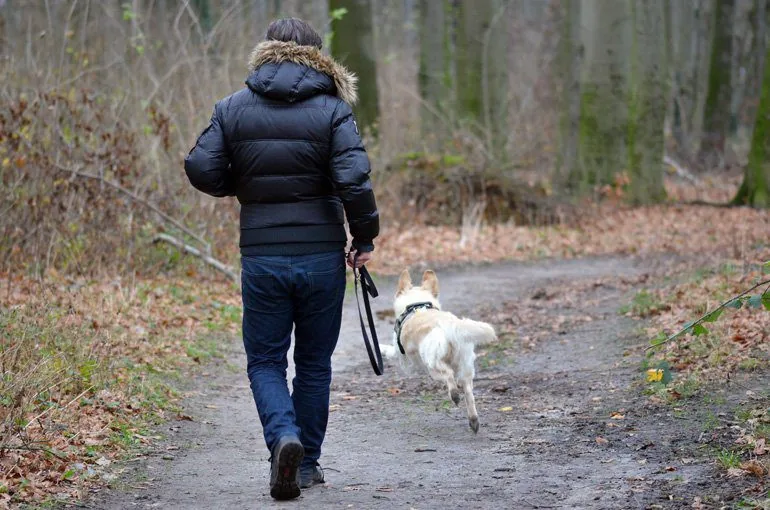
That said, it's not just these rhythms that govern our dogs' schedules — the routine we set for them also plays a role. This is why your furry friend often gets your attention to be taken for a walk or fed at a specific time.
Daily, we repeat actions and set schedules for our canine friends. We get dressed, walk the dog, leave the house, come back, make food, and so on. All these actions tend to happen more or less routinely, which helps dogs know "what time it is."
Waiting Times and Separation Anxiety
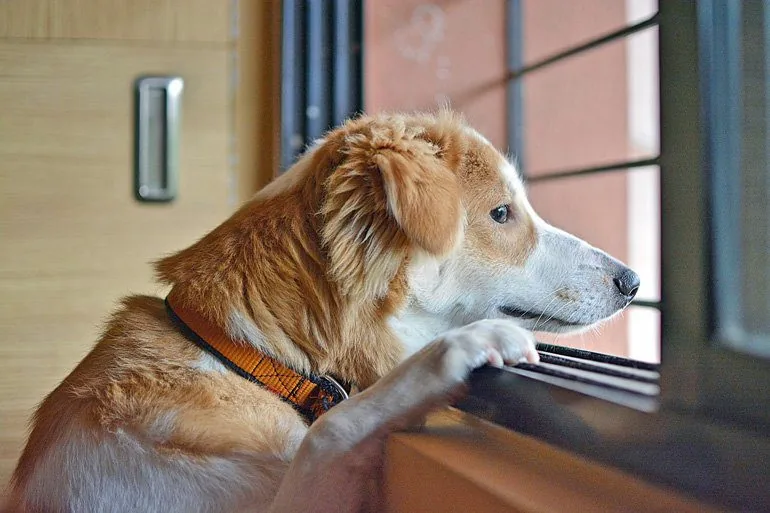
These routines also let them figure out what time their owner will return home. In fact, to see proof of dogs' awareness of time passing, you just need to observe our dog's reaction when we get home.
Our pet's excitement and joy will be much greater the more hours have passed since we left. Although the dog isn't literally counting those hours, it will need more attention the longer it's alone, like needing activity, food, or simply affection.
Especially for dogs suffering from separation anxiety, the difference between being alone for one hour versus four can mean the difference between feeling mildly on edge and suffering a distressing panic attack.
This behavior is very common in dogs and requires various methods to ease the stress it causes our pets.
Perception of Time: Senses
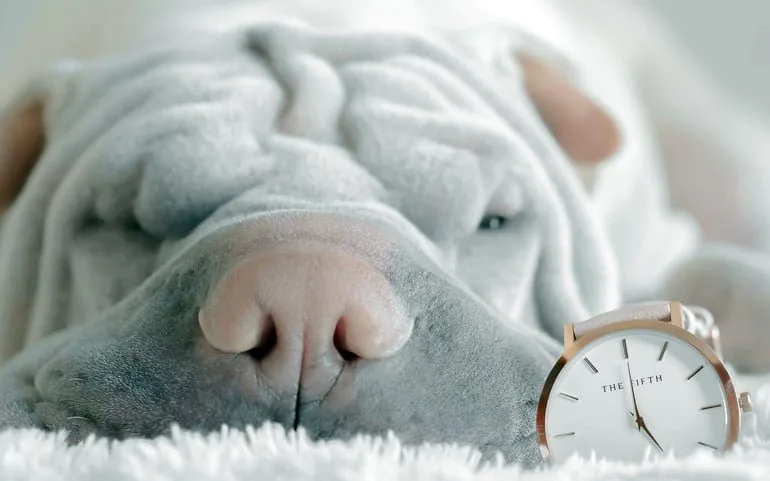
Although dogs can't talk, we owners can communicate with our pets through actions, gestures, cues, and even the senses. Dogs relate to their surroundings, other dogs, and us using their sensory perceptions.
So your dog can tell what time of day it is based on what its senses confirm. Temperature, the sunlight coming into the house, and the scent of the beings who live there can tell it a wide range of things, like its owner's daily schedule.
Smell and Canine Memory
For example, if you keep the same schedule regularly, your dog can predict how much time is left before you get home based on the concentration of your scent lingering in the air. This sense is also key to recognizing and remembering people it knows.
A person's simple scent, along with their appearance and tone of voice, lets dogs remember people, even if they only knew them for a few hours in the past.
IMPORTANT: This article is for informational purposes only and does not constitute veterinary, nutritional or behavioural advice. Every dog is different, and only your trusted vet can advise you on its specific needs.