 Breeds
Eurasier
You'll struggle to find anyone who doesn't fall for this dog's beauty. Its wolf-like face, tender gaze, and plush coat make it a pet you'll want to cuddle at all hours. On top of that, Eurasiers are very affectionate and playful, so if you have kids at home, the fun is guaranteed.
This breed came from crossing the Chow Chow with the Wolfspitz. However, congenital problems in the first crosses forced its founder to consult with respected canine geneticists and introduce other breeds, such as the Samoyed. If you'd like to know more about this beautiful breed, stick with us.
Characteristics of the Eurasier
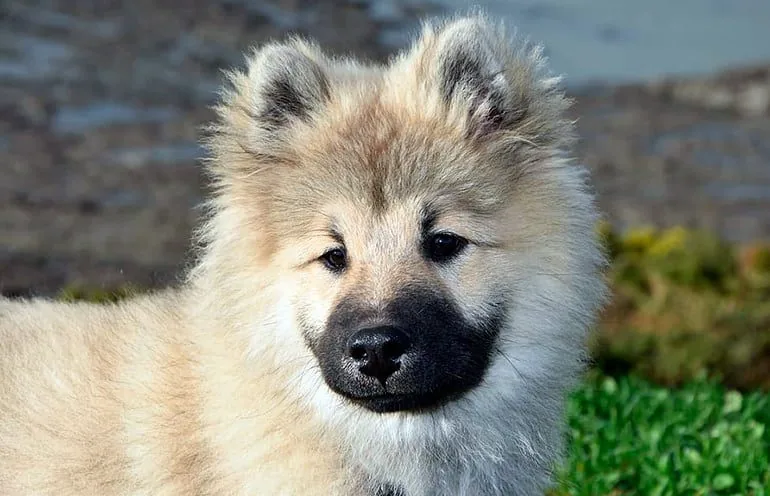
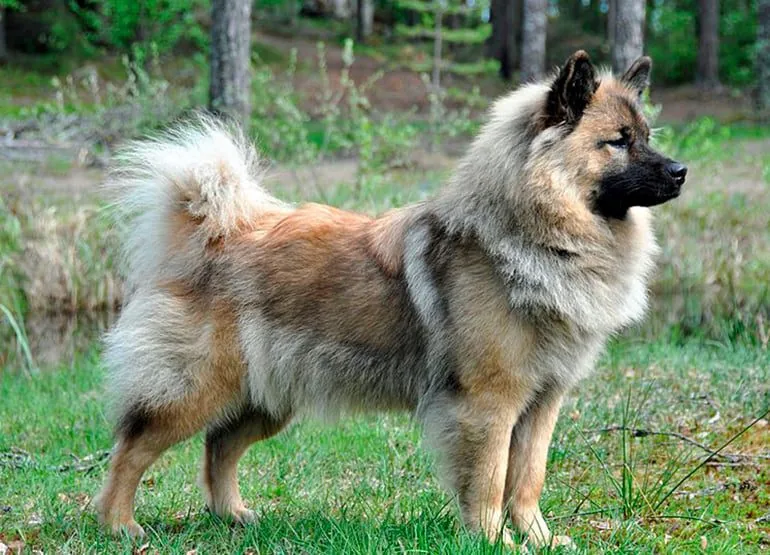
Eurasiers take on both physical and temperament traits from the breeds they descend from. Their body is elongated, sturdy, and well-proportioned. Their face resembles a wolf's, and their teeth are powerful, as with the Samoyed. Their head is wedge-shaped, with a subtle stop.
The eyes are dark, almond-shaped, and highly expressive. Their ears, always erect, are triangular with rounded tips. The tail is long and thickly coated. They usually carry it curled over the back while moving. They belong to the Spitz family, so they have a double coat.
 Height between 52 and 60 cm in males and between 48 and 56 cm in females
 Weight between 23 and 32 kg in males and between 18 and 26 kg in females
 Soft, woolly coat that protects it from the cold. The outer layer is long and stands somewhat away from the body. All colors are accepted except liver, pure white, and white patches. Brown with black markings is the most common pattern
 Affectionate, loving temperament; playful and very sociable
 Good health
 Estimated life expectancy of between 12 and 14 years
Temperament of the Eurasier
If there's one thing Eurasiers are known for, it's a calm, affectionate, playful temperament. They get along perfectly with children. That said, they're not as sociable around strangers. Although they tend to protect their own, they rarely act aggressively and don't bark much.
Their neoteny means their bodies mature more slowly than in other breeds. Because of this, the breed is independent and status-conscious, which requires you to be patient and assertive when training them. Don't let them challenge your authority, and involve every family member in their training so they get used to obeying everyone equally.
They need daily attention because they don't handle loneliness well. In fact, if they feel neglected, get bored, or aren't sufficiently stimulated, they won't hesitate to get into mischief. They can also fall into depression. It's a good idea to socialize them from a young age, always with rewards, if they're going to live with other pets.
What Care Does the Eurasier Need?
As mentioned, these dogs demand a lot of daily attention. Besides shared playtime, you'll need to provide toys and intelligence games. Although they don't need a high level of physical activity, they don't handle being tied up well. So you'll need to take them out for walks several times a day. Their joints will benefit from it.
Eurasiers are among the cleanest Spitz breeds, with less body odor. Their long coat needs regular brushing, about 3 or 4 times a week. During shedding seasons, in spring and fall, you'll need to brush them daily to manage hair loss. Use a long, flexible-pin brush so that removing dead hair doesn't hurt their skin.
Don't skimp on the quality of their food, and portion their daily amount into two meals, since they're prone to weight gain. Keeping up with the vaccination schedule and both internal and external deworming rounds out the basic care needed to preserve their wellbeing and health.
History of the Breed
Eurasiers belong to a relatively young breed, since they first appeared in the 1960s in Germany. Their creator, dog breeder Julius Wipfel, wanted to develop a breed that combined the physical and behavioral traits of the Chow Chow and the Wolfspitz. In fact, the first dogs were called Wolf-Chows.
However, inbred crosses caused numerous genetic problems that called for introducing new breeds. To fix this, Wipfel turned to respected canine geneticists. Everything was documented in books. In 1972, Eurasiers began being crossed with Samoyeds. In 1973, the breed received official FCI recognition.
Fun Facts About the Eurasier
Its name refers to the European and Asian breeds included in its creation. Did you know some dogs can have a blue tongue, so characteristic of the Chow Chow? As puppies they look like bear cubs. It's no surprise this breed is on the list of dogs that look like bears.
IMPORTANT: This article is for informational purposes only and does not constitute veterinary, nutritional or behavioural advice. Every dog is different, and only your trusted vet can advise you on its specific needs.