 Nutrition
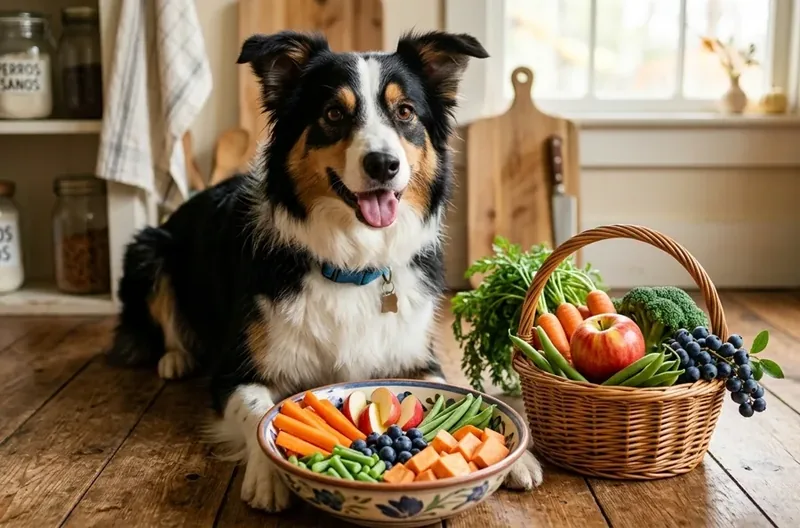
Fruits and Vegetables for Dogs
Fruits Dogs Can Eat (With Amounts and Benefits)
Fruit can be a healthy, refreshing snack for your dog, as long as it is offered in small amounts and prepared correctly. The key is removing pips, stones and tough skins, which can contain dangerous compounds or cause choking.
The 10% RuleSnacks — fruit included — should not exceed 10% of your dog's total daily intake. Fruit has natural sugars; in excess it can cause diarrhoea or unbalance the diet, especially in dogs with diabetes or who are overweight.
Fruit Main benefit How to give it 🍎AppleFibre, vitamin C, dental cleaningNo pips or core. Peeled or with skin on. In pieces. 🍐PearFibre, vitamins C and K, hydrationNo pips or core. Peeled, in small cubes. 🍉WatermelonHydration (92% water), vitamin ANo skin or black seeds. Only the red flesh. 🍈MelonVitamins A, B6 and C; low in caloriesNo skin or seeds. In small pieces. 🫐BlueberriesAntioxidants, immune system supportRaw, whole. Max. 10-12 for medium dogs. 🍓StrawberriesVitamin C, fibre, antioxidantsRaw, no leaves, in halves or quarters. 🍌BananaPotassium, magnesium, vitamin B6Peeled, in thin slices. Moderation due to its high sugar content. 🥭MangoVitamins A, B6, C and E; fibreNo stone (contains cyanide) or skin. Only the ripe flesh. 🍍PapayaDigestive enzymes (papain), vitamin CNo skin or seeds. In small pieces, in moderation. 🍊OrangeVitamin C, folateOnly the flesh, no peel, seeds or white pith. Very sparingly: it is acidic. 🫐RaspberriesAntioxidants, fibre, low in sugarRaw, a few at a time. Contain traces of natural xylitol: do not exceed 6-8 raspberries. 🥝KiwiVitamin C, potassium, fibreNo skin, in small pieces. Moderation due to its acidity.Safe Vegetables for Dogs
Vegetables can provide fibre, vitamins and minerals to your dog's diet. In a BARF diet they usually make up 5-10% of the total. In a cooked home-made diet, they can reach 15-20%. What matters is offering them in the right form: some are given raw and others only steamed.
Vegetable Raw or Cooked? Benefit 🥕CarrotRaw or cookedBeta-carotene, fibre, dental cleaning when chewed raw. Excellent low-calorie snack. 🥒CourgetteRaw or cookedLow glycaemic index, high water content. Ideal for overweight dogs. 🥦BroccoliRaw or steamedVitamin C and K, fibre. In small amounts: isothiocyanates in excess irritate the stomach. Max. 5% of the diet. 🌿SpinachLightly cookedIron, magnesium, vitamins K and A. In moderation: contains oxalates that in excess hinder calcium absorption. 🫘Green beansSteamed or rawFibre, manganese, vitamin C. Filling, low-calorie snack, very well tolerated. 🥒CucumberRawVery hydrating (95% water), low in calories. Perfect for hot days. 🌿CeleryRaw or cookedVitamins A, B, C and K; phthalides with a mild anti-inflammatory effect. In small pieces to avoid choking. 🍠Sweet potatoOnly cookedComplex carbohydrates, vitamin C and B6, beta-carotene. Never raw: contains alkaloids destroyed by cooking. 🫛PeasCooked or frozenPlant protein, fibre, B group vitamins. Avoid in dogs with heart disease: FDA studies have linked them to DCM. 🌸ArtichokeCookedPrebiotic fibre, cynarin (liver-protective effect). Only give the cooked heart, no tough leaves. Watch Out With Broccoli and SpinachToo much broccoli (over 5-10% of the diet) can irritate dogs' gastrointestinal tract because of its isothiocyanates. Spinach contains calcium oxalate, which in large amounts can interfere with mineral absorption. Both are safe in small doses.
Fruits and Vegetables Toxic to Dogs (and Why)
These foods are not "a little bad": in some cases, small amounts can cause acute kidney failure or haemolytic anaemia. If your dog eats any of the following, call your vet immediately.
🍇 Grapes and raisins High danger Toxic mechanism: unknownThey cause acute kidney failure in dogs, even in small doses. The exact mechanism is still undetermined. They can be fatal. Whether fresh, dried (raisins) or as juice.
🧅 Onion and garlic High danger Substance: n-propyl disulfideDestroys canine red blood cells, causing haemolytic anaemia. Affects dogs whether eaten raw, cooked, dehydrated or powdered. Garlic is 3 to 5 times more potent than onion.
🍒 Cherries High danger Substance: cyanide in the stone and leavesThe stone, leaves and stalk of the cherry contain cyanide. The flesh itself is not toxic, but the risk of the stone being swallowed is very high. Best avoided entirely.
🥑 Avocado Caution Substance: persinPersin can cause vomiting and diarrhoea in dogs. The greatest risk is in the skin, stone and leaves. The flesh in small amounts carries low risk, but the stone is a choking/obstruction hazard.
🍅 Green tomato and leaves Caution Substance: solanine and tomatineRipe, red tomatoes are safe in small amounts. Green tomato, the leaves and the stalk contain solanine: they can cause muscle weakness, tremors and gastrointestinal problems.
🌰 Macadamia nut High danger Mechanism: unknownAlthough technically a nut rather than a fruit, it frequently appears on lists of foods to avoid. It causes weakness, hypothermia, vomiting and tremors in dogs even in small doses.
If Your Dog Eats Any of These FoodsCall your vet immediately or the nearest Veterinary Poison Control Centre. Do not induce vomiting without professional supervision: in some cases it can make the damage worse. Note the approximate amount eaten and when it happened.
Traffic-Light Table: Can My Dog Eat This Food?
A quick reference with more than 40 plant-based foods, listed alphabetically by colour. Check it before sharing any food with your dog.
GREEN ✓ No special restriction 🫐BlueberriesIdeal snack, antioxidants 🌿CeleryIn small pieces 🥦BroccoliMax. 5% of the diet 🥒CourgetteRaw or cooked 🥕CarrotThe perfect snack 🥒CucumberVery hydrating 🫘Green beansCooked or raw 🍓StrawberriesNo leaves 🍈MelonNo skin or seeds 🍎AppleNo pips 🍐PearNo pips or core 🍉WatermelonOnly flesh, no seeds YELLOW ⚠ In moderation or with specific preparation 🌸ArtichokeOnly cooked heart 🥑Avocado (flesh)No skin, no stone. Small amount 🍌BananaHigh in sugar. Moderation 🥦Cabbage/Sprouts Cooked. Can cause wind 🌿SpinachA little, cooked (oxalates) 🍓RaspberriesMax. 6-8 (natural xylitol) 🫛PeasNot for dogs with heart disease 🥝KiwiNo skin. Moderation due to acidity 🥭MangoNo stone or skin. Moderation 🍊OrangeOnly flesh. Very small amount 🍍PapayaNo seeds. In moderation 🍅Ripe tomatoSmall amount, never green 🍠Sweet potatoOnly cooked. Never raw RED ✗ Forbidden — toxic 🧄GarlicHaemolytic anaemia. Raw or cooked 🧅OnionHaemolytic anaemia. Any form 🌿Spring onion/chivesSame mechanism as onion 🍒CherriesCyanide in the stone and leaves 🫐CurrantsPossible kidney toxicity like grapes 🌿LeekAllium family. Haemolytic anaemia 🍅Green tomato/stalkSolanine and tomatine. Toxic 🍇Grapes and raisinsAcute kidney failure A Note on the Traffic LightGreen does not mean "no limit". Every food on this list should be offered as a complement, never as the base of the diet. The traffic light shows the level of risk, not the recommended amount.
How to Correctly Give Your Dog Fruit and Vegetables
Knowing which foods are safe is the first step. Knowing how to offer them matters just as much, so they turn out to be a benefit rather than a digestive problem.
- Introduce them one at a time. If it is the first time your dog is eating a new food, offer a small amount and wait 24 hours before adding more. That way you can spot any intolerance or allergy.
- Remove seeds, stones and tough skins. Many pips (apple, mango, cherry) contain compounds that can release cyanide. Tough skins can cause intestinal blockage in small dogs.
- Cut into suitably sized pieces. The pieces should be proportional to the dog's size. In small breeds, large pieces are a choking risk.
- Respect the 10% rule. Snacks — fruit and vegetables included — should not exceed 10% of the dog's daily calories. In a 10 kg dog eating 500 kcal/day, that is a maximum of 50 kcal of extras.
- No salt, sugar or dressings. Never offer fruit in syrup, pickled vegetables or dressed salads. The xylitol found in some sweeteners is extremely toxic to dogs.
- Some vegetables are better lightly cooked. Sweet potato, spinach and peas digest better lightly cooked. Heat also breaks down the cell wall and improves the availability of certain nutrients.
If your dog follows a BARF diet, vegetables are usually offered blended or lightly mashed to improve their digestibility: dogs do not have the salivary amylase humans have to pre-digest plant matter. A quick blend mimics the digestive process that would happen in prey animals' stomachs. If you want to go deeper into this way of feeding, check our complete guide to natural feeding for dogs.
Scientific Sources and References- Cortinovis & Caloni (2016) — Household Food Items Toxic to Dogs and Cats. Frontiers in Veterinary Science. PMC/NIH.
- ASPCA Animal Poison Control Center (2024) — Toxic and non-toxic plants and foods database. aspca.org.
- Cope et al. (2005) — Acute renal failure in dogs after grape/raisin ingestion — 43 dogs retrospective. Journal of Veterinary Internal Medicine. PubMed.
- Sutton et al. (2020) — Toxicosis with grapes/raisins: AKI and neurological signs in 15 dogs. J Vet Intern Med. PMC/NIH.
- Lee (2010) — Allium species poisoning — hemolytic anemia mechanism. PMC/NIH — Journal of Veterinary Science.
- Sakamoto et al. (2025) — Garlic (Allium sativum) toxicity on canine erythrocytes — in vitro. PMC/NIH.
- Merck Veterinary Manual (2024) — Avocado (Persea spp) Toxicosis in Animals.
- Dillard et al. (2022) — Avocado meal as novel fiber source for dogs — Univ. Illinois Urbana-Champaign. Journal of Animal Science. PMC/NIH.
- WSAVA Global Nutrition Committee (2021) — Savvy Dog Owner Guide to Nutrition on the Internet.
- WSAVA Nutritional Assessment Guidelines (2021) — World Small Animal Veterinary Association.
IMPORTANT: This article is for informational purposes only and does not constitute veterinary, nutritional or behavioural advice. Every dog is different, and only your trusted vet can advise you on its specific needs.